

The utility industry is currently navigating a period of unprecedented transformation, characterized by a fundamental tension between the necessity of massive infrastructure investment and the growing public outcry over energy affordability. As utilities of all scales grapple with the dual pressures of decarbonization and grid hardening, a significant gap has emerged between the operational realities of energy providers and the perceptions of the ratepayers they serve. When monthly utility bills rise, consumers rarely attribute the increase to the nuances of wholesale market fluctuations, legislative mandates, or the essential modernization of aging electrical architecture; instead, they focus on the brand name at the top of the invoice. Bridging this cognitive gap has become a primary objective for industry leaders who recognize that without public buy-in, the "social license to operate" and the ability to secure regulatory approval for critical projects may be at risk.
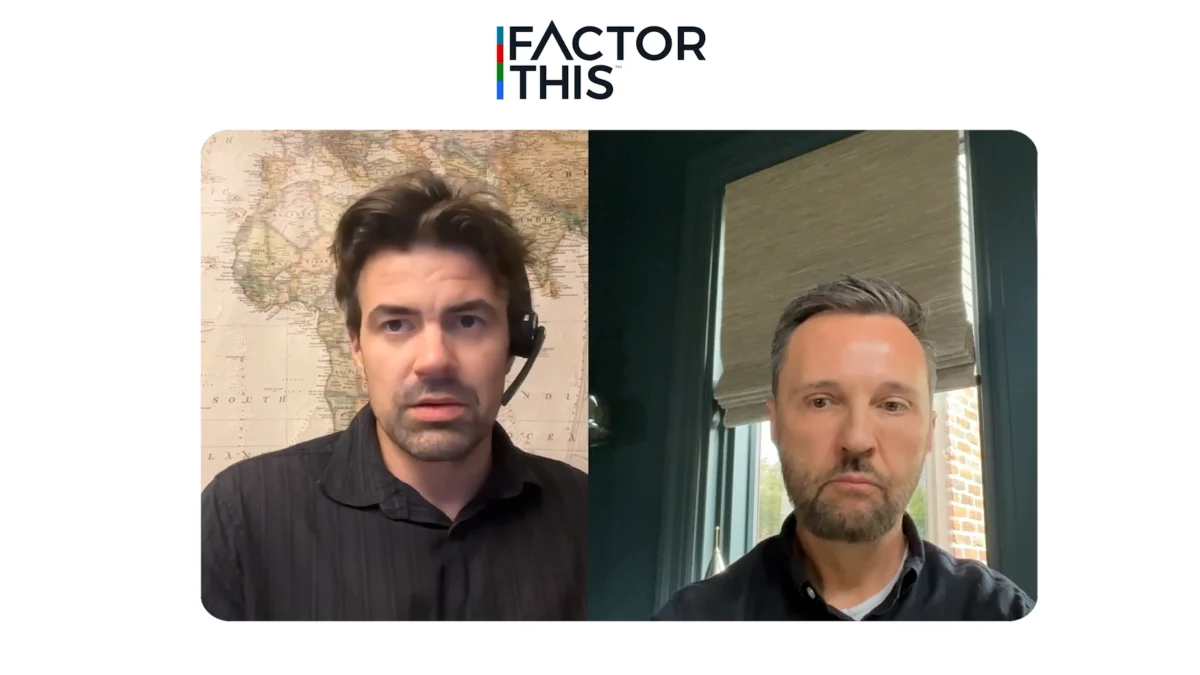
Greg Cornett, President of Rhode Island Energy, has emerged as a leading voice in advocating for a paradigm shift in how utilities communicate value. Under his leadership, Rhode Island Energy—a subsidiary of PPL Corporation—has prioritized transparency and authenticity as core operational strategies rather than mere public relations functions. Cornett’s approach centers on the belief that public trust should be treated with the same rigor as physical assets like transformers or transmission lines. This philosophy will take center stage at the upcoming DTECH Northeast conference, where Cornett is scheduled to join a keynote panel alongside executive leadership from Eversource and the Massachusetts Department of Public Utilities (DPU). The discussion is expected to provide a roadmap for how the energy sector can cultivate trust as an essential strategy for navigating the affordability crisis.
The Evolution of Utility Communication: A Chronology of Change
To understand the current urgency surrounding utility transparency, it is necessary to examine the historical context of the industry’s relationship with the public. For much of the 20th century, utilities operated under a "silent service" model. The primary goal was to provide reliable power at a low cost, with communication limited to billing and emergency notifications. In this era, rate cases were technical exercises conducted largely out of the public eye.
The first significant shift occurred in the early 2000s with the rise of deregulation and the initial push for renewable energy integration. Utilities began to take on a more public-facing role as they sought to explain the costs associated with diversifying energy portfolios. However, messaging remained largely corporate and top-down. By the 2010s, the acceleration of climate change and the resulting increase in extreme weather events forced utilities to communicate more frequently about resilience and storm recovery.
The current era, beginning around 2020, represents the most complex phase of this chronology. The convergence of high inflation, the rapid expansion of data centers requiring massive amounts of power, and the aggressive electrification of transportation and heating has led to a steep rise in capital expenditure requirements. Simultaneously, the proliferation of digital media and the rise of artificial intelligence have made the public more skeptical of traditional corporate messaging. This historical trajectory has led to the present moment, where leaders like Cornett argue that the old methods of communication are no longer sufficient to sustain the level of investment required for a modern grid.
The Economics of Transparency and the Rhode Island Model
A central component of Rhode Island Energy’s strategy involves demystifying the utility bill. Many consumers operate under the misconception that the entirety of a rate increase flows directly into corporate profits. To counter this, Cornett has implemented a biannual breakdown of customer bills that explicitly separates regulated rates of return from the costs of energy supply and grid infrastructure investments.
According to data provided by Rhode Island Energy, the profit margin on a typical residential customer’s bill is approximately $2.50 per billing period. By highlighting this specific figure, the utility aims to reframe the conversation from "profit expansion" to "system reinvestment." This $2.50 is presented not as a surplus, but as the necessary capital that enables the utility to maintain a system that is safe, reliable, and capable of meeting future demands.
The broader economic context supports the need for such transparency. According to the U.S. Energy Information Administration (EIA), retail electricity prices have seen significant upward pressure over the last three years, driven by volatile natural gas prices and the cost of maintaining aging transmission networks. Nationally, the cost of grid modernization is estimated to reach into the hundreds of billions of dollars over the next decade. Without a clear understanding of where these funds are going, public opposition to rate increases can lead to prolonged regulatory battles, which in turn increases the cost of capital and further inflates prices for the consumer—a self-reinforcing cycle that transparency is designed to break.
Authenticity in the Age of Artificial Intelligence
As the industry looks toward technological solutions such as AI-powered robots for solar construction and advanced sensors for flexible interconnection, there is a paradoxical need for more "human" communication. Cornett has noted that as AI becomes more prevalent in content creation, audiences have become increasingly adept at filtering out polished, impersonal marketing.
In response, Rhode Island Energy has shifted its communication strategy to feature front-line workers—the technicians, linemen, and engineers who live and work in the communities they serve. By using real employees rather than stock photography or corporate spokespeople, the utility leverages the inherent trust that community members have in their neighbors. This strategy of "Utility Authenticity" is designed to show the physical reality of grid maintenance, making the abstract concept of "infrastructure investment" tangible to the ratepayer.
Official Perspectives and Regulatory Implications
The upcoming DTECH Northeast keynote panel reflects a growing consensus among regulators and utilities that affordability and trust are inextricably linked. The involvement of the Massachusetts Department of Public Utilities (DPU) is particularly significant. Regulators are increasingly looking for utilities to demonstrate not just the technical necessity of their investments, but also their efforts to mitigate the impact on low-income and vulnerable populations.
Industry analysts suggest that utilities that fail to build this trust may face stricter "performance-based ratemaking" (PBR) structures, where returns are tied to customer satisfaction and affordability metrics rather than just capital deployment. In this regulatory environment, the ability to communicate value effectively becomes a direct driver of financial performance.
Eversource, which will also be represented on the panel, has faced similar challenges in the New England market, where energy costs are among the highest in the nation due to geographic constraints and a heavy reliance on imported natural gas. The collaborative nature of the DTECH panel suggests a regional move toward a unified approach to public engagement, recognizing that the challenges of the New England grid—such as the integration of offshore wind and the decommissioning of older fossil fuel plants—require a shared "social contract" with the public.
Fact-Based Analysis of Future Impacts
The stakes for this shift in strategy are high. Looking across the next three to five years, the utility sector must integrate a suite of new technologies while maintaining reliability. Flexible interconnections, which allow for faster integration of renewable resources and data centers, will be crucial. However, these technologies require significant upfront investment and a change in how the grid is managed.
If utilities successfully cultivate public trust as an operating asset, the benefits are clear:
- Streamlined Regulatory Approvals: Proactive communication can reduce the duration and hostility of rate cases, allowing for more predictable financial planning.
- Lower Cost of Capital: Investors view utilities with high public and regulatory support as lower-risk, which can lead to better credit ratings and lower interest rates on debt used for infrastructure projects.
- Resilience to Political Shifts: A well-informed public is less likely to support reactionary policies that might undermine long-term grid stability for short-term political gain.
Conversely, a failure to address the trust gap could lead to a "utility death spiral" in reverse, where public opposition prevents necessary upgrades, leading to decreased reliability, which further erodes trust and makes future investment even more difficult to secure.
Conclusion: Redefining the Operational Metric
As Greg Cornett and his peers prepare to address the industry at DTECH Northeast, the message is clear: the technical challenges of the energy transition cannot be solved in a vacuum. Treating public trust as a vital operational asset is not a "soft" skill; it is a hard requirement for the survival and success of the modern utility.
By moving beyond the name on the envelope and the total at the bottom of the bill, utilities have the opportunity to redefine their relationship with the public. Through transparency in billing, the use of authentic voices from the field, and a proactive explanation of the value of grid modernization, providers can ensure that the investments made today will lead to a more resilient, affordable, and trusted energy ecosystem for the future. The success of these efforts will likely define the operational landscape of the utility sector for decades to come.
