

Boeing’s efforts to stabilize and ramp up production of its cornerstone 737 MAX aircraft are taking "a little bit longer" than initially anticipated, CEO Kelly Ortberg informed investors on Wednesday. The candid admission, made during a Morgan Stanley industry conference, sent Boeing stock spiraling, extending its losses for the day to more than 5% in afternoon trading. The aerospace manufacturer, still grappling with the lingering fallout from severe safety and quality crises that have plagued its most popular narrow-body jet for years, now aims to significantly increase its output of the planes next year, acknowledging current bottlenecks.
Ortberg specifically pinpointed wing production at Boeing’s Renton, Washington, factory as a critical constraint currently hindering the desired production pace. While the company has outlined plans to address this specific bottleneck, the revelation underscores the persistent challenges in achieving a smooth, high-volume manufacturing flow for the crucial 737 MAX program. Boeing is currently producing approximately 47 of these aircraft per month, a rate that, while improved from the depths of its crisis, still falls short of its pre-grounding capacity and ambitious targets.
The Protracted Road to Recovery and Production Hurdles
The current challenges in production stabilization are not isolated incidents but rather the latest chapter in a tumultuous period for Boeing’s 737 MAX program. The aircraft, designed to be a fuel-efficient successor to the highly successful 737 Next Generation, was initially met with immense market enthusiasm, quickly accumulating thousands of orders. However, its trajectory was catastrophically altered by two fatal crashes within five months: Lion Air Flight 610 in October 2018 and Ethiopian Airlines Flight 302 in March 2019. These tragedies, which claimed 346 lives, were linked to a flawed flight control system, the Maneuvering Characteristics Augmentation System (MCAS), leading to an unprecedented global grounding of the entire 737 MAX fleet in March 2019.
The grounding lasted for nearly two years in most major jurisdictions, profoundly impacting Boeing’s financial health, reputation, and production capabilities. During this period, the company was forced to halt production entirely for several months and then significantly curtail it, leading to a massive backlog of undelivered aircraft and substantial storage costs. The recertification process, led by the Federal Aviation Administration (FAA) and followed by other global regulators, was exhaustive and complex, requiring significant software updates, revised pilot training protocols, and enhanced safety checks. This period also brought intense scrutiny on Boeing’s corporate culture, its relationship with regulators, and its quality control processes.
Even after the MAX’s return to service, Boeing has faced a series of setbacks in its efforts to ramp up production. Supply chain disruptions, exacerbated by the COVID-19 pandemic, have been a persistent issue, affecting the availability of critical components, raw materials, and specialized labor. Furthermore, an increased focus on quality control, both internally and from regulatory bodies, has naturally slowed the assembly process. Incidents such as the January 2024 door plug blowout on an Alaska Airlines 737 MAX 9, though unrelated to the original MCAS issues, triggered renewed FAA scrutiny and an audit of Boeing’s production lines and suppliers, particularly Spirit AeroSystems, which manufactures the MAX fuselage. These heightened quality checks, while necessary for safety, inevitably add time and complexity to the manufacturing process, contributing to the "longer than expected" stabilization period Ortberg described.
The Stalled 737 MAX 10 Certification
Adding to Boeing’s woes is the protracted certification timeline for the 737 MAX 10, the largest variant in the MAX family. Ortberg reiterated to investors that he expects certification of the MAX 10 "very soon," a phrase that has become familiar to those following the aircraft’s development. This variant is now years behind its original schedule, which initially targeted an entry into service around 2020. The delays stem from a combination of the global grounding, the subsequent overhaul of Boeing’s certification processes, and new regulatory requirements.
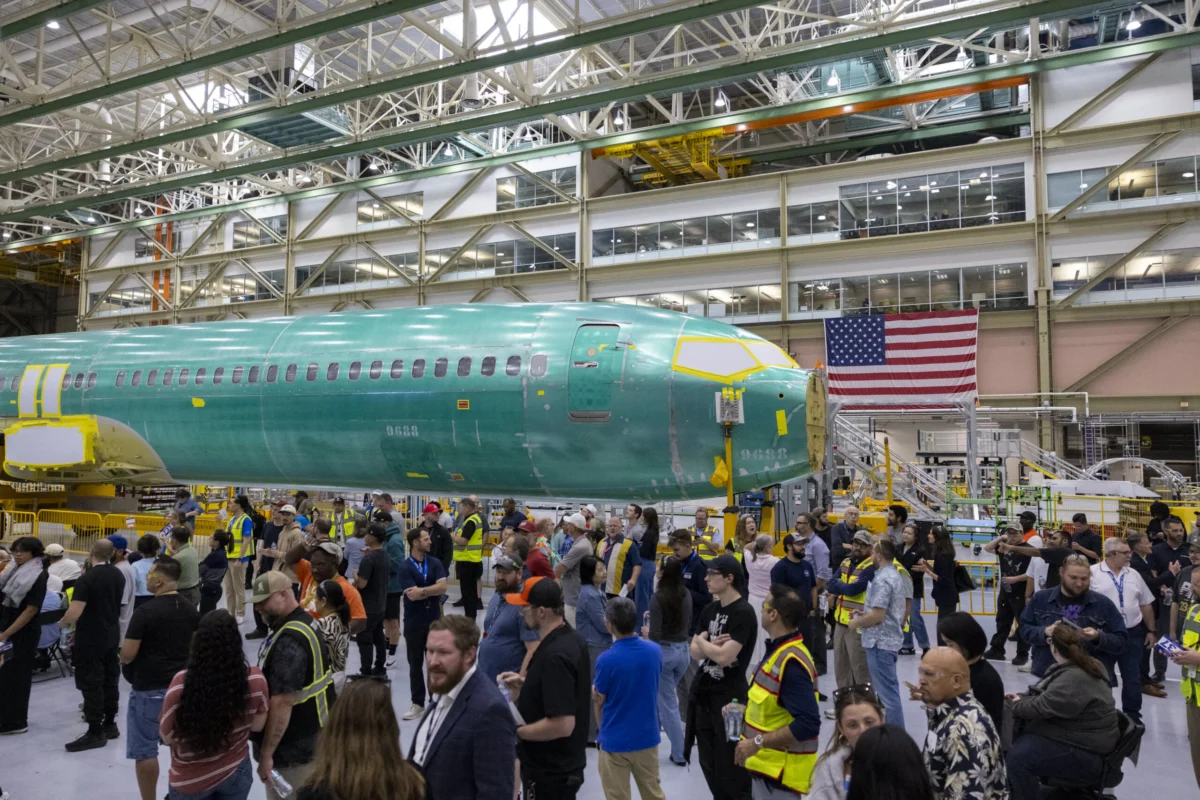
A significant hurdle for the MAX 10 is the requirement for a modern engine indicating and crew alerting system (EICAS) in the cockpit, which current 737 models, including the MAX, do not possess. Without a legislative waiver from Congress, the MAX 10 would require a costly and time-consuming redesign to meet these new standards, potentially pushing its entry into service even further into the future. Major airline customers, such as United Airlines, have placed substantial orders for the MAX 10, banking on its increased capacity and efficiency to modernize their narrow-body fleets. United, for example, has over 100 MAX 10s on order, and the continued delays pose significant challenges for their fleet planning and growth strategies, forcing them to consider alternative options or extend the life of older aircraft. The picture of a 737 MAX 10 fuselage at the opening of Boeing’s new North Line assembly line in Everett, Washington, on July 10, 2026, serves as a stark reminder of the long-term investment and anticipation surrounding this specific model, despite its current regulatory quagmire.
The Crucial China Market and Geopolitical Considerations
Ortberg also addressed the sensitive topic of potential aircraft orders from China, especially in light of the upcoming meeting between President Donald Trump and Chinese leader Xi Jinping at the White House on September 24. While declining to speculate on any immediate announcements, Ortberg stated that orders from China would be "announced by the airlines at their pace." This cautious approach highlights the complex interplay of commercial interests, geopolitical dynamics, and trade relations that characterize Boeing’s engagement with the lucrative Chinese market.
Historically, China has been one of Boeing’s largest and most critical international markets, accounting for approximately a quarter of its deliveries before the MAX grounding. However, deliveries of the 737 MAX to China were effectively halted following the global grounding in March 2019 and remained suspended for an extended period due to both safety concerns and escalating trade tensions between Washington and Beijing. While some deliveries have gradually resumed, the pace has been slow, and the resumption of large-scale orders remains contingent on a delicate balancing act of political and economic factors.
The potential for new orders from China during or after the Trump-Xi summit could signal a significant thawing of aerospace trade relations and provide a much-needed boost to Boeing’s order book and delivery targets. However, the rise of China’s domestically produced COMAC C919 narrow-body jet, which recently received its type certification and is gradually entering service, adds another layer of complexity. While the C919 is not yet a direct competitor to the 737 MAX on a global scale, it represents China’s ambition to reduce its reliance on foreign aircraft manufacturers, potentially influencing future procurement decisions. Any major order from China would not only provide a financial boon but also serve as a strong vote of confidence in the 737 MAX program’s long-term viability and safety.
Financial and Market Implications
The investor reaction to Ortberg’s comments, with Boeing stock declining over 5%, underscores the market’s sensitivity to any indication of prolonged operational challenges. Investors are keenly focused on Boeing’s ability to ramp up deliveries, which directly impacts its revenue and cash flow generation. The aerospace giant has a substantial backlog of over 5,600 737 MAX orders, representing several years of production, and efficiently converting these orders into deliveries is crucial for its financial health.
Continued production delays not only impact Boeing’s immediate earnings but also its competitive standing against its primary rival, Airbus. Airbus’s A320neo family has capitalized on Boeing’s difficulties, expanding its market share in the narrow-body segment. While Boeing maintains a strong market position with the MAX, any sustained inability to meet delivery commitments could lead to customer frustration, potential order cancellations, or airlines opting for Airbus alternatives in the future. Analysts have been closely monitoring Boeing’s monthly delivery figures, often adjusting their financial models based on the company’s progress in overcoming its manufacturing hurdles. The current rate of 47 aircraft per month, while an improvement, still trails Boeing’s pre-crisis peak production rates for the 737 family, which approached 57 per month, highlighting the significant ground still to be covered.
The Path Forward: Addressing Root Causes
Boeing’s stated plan to address the wing production constraint at Renton is indicative of a broader strategy to tackle the multifaceted issues impacting its manufacturing ecosystem. This likely involves a combination of enhanced supply chain management, increased investment in automation and tooling, and robust workforce training initiatives. The company has publicly committed to prioritizing safety and quality over speed, a direct lesson learned from the MAX crisis. This commitment, while essential, inherently means a more deliberate and potentially slower production pace than previously envisioned.
The challenges facing Boeing are systemic, extending beyond individual component bottlenecks. They encompass issues related to workforce retention and training, particularly for skilled aerospace manufacturing roles, as well as the implementation of more rigorous quality control protocols across its vast supplier network. Regaining the full trust of airlines, passengers, and regulators is a long-term endeavor that hinges not just on fixing immediate production issues but on demonstrating a sustained commitment to engineering excellence, transparent communication, and uncompromising safety standards.
As Boeing navigates these complex operational and strategic challenges, the coming year will be critical in determining its ability to stabilize production, secure certification for the MAX 10, and reaffirm its leadership in the global aerospace industry. The "a little bit longer" sentiment from CEO Kelly Ortberg serves as a stark reminder that the path to full recovery for the 737 MAX program remains arduous, requiring persistent effort and unwavering focus.
