

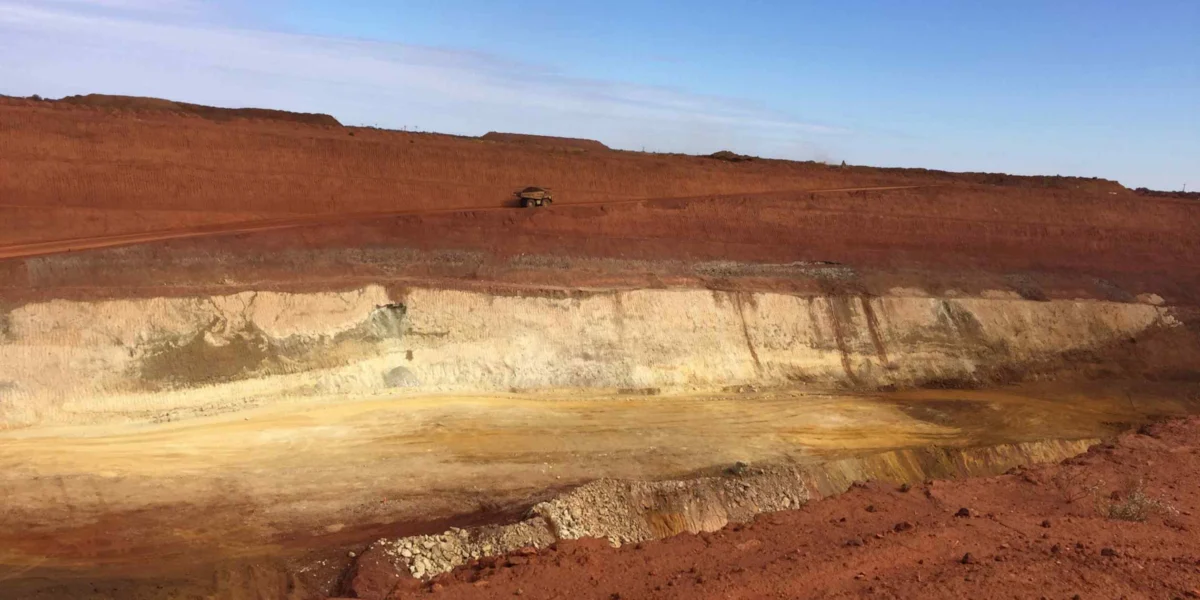
Australian miner Lynas announced on Thursday its intention to acquire Meteoric Resources, an Australian-listed developer of a significant rare earth deposit in Brazil, in an all-share transaction valued at approximately $672 million. This strategic move by Lynas, a prominent player in the global rare earth market, signals a deepening commitment to expanding its geographical footprint and securing critical raw material sources outside of its established Australian and Malaysian operations. The deal, expected to be completed in the coming months, underscores the ongoing global race to control the supply chains of rare earth elements, which are indispensable for a vast array of modern technologies, including electric vehicles, wind turbines, and advanced defense systems.
Strategic Rationale and Market Context
The acquisition of Meteoric Resources, and specifically its flagship Brazilian project, represents a significant step in Lynas’s ambition to diversify its supply base and bolster its position as a leading independent producer of rare earths outside of China. China has long dominated the global rare earth market, controlling a substantial portion of both mining and processing capabilities. However, geopolitical tensions and concerns over supply chain security have spurred Western nations and their allies to actively seek alternative sources and processing facilities. Lynas, with its significant operations at Mount Weld in Western Australia and its processing plant in Malaysia, has been a key beneficiary of this trend, receiving substantial support from governments like the United States and Australia.
Meteoric Resources’ primary asset is the Caçari rare earth project, located in the Amazonas state of Brazil. This project has garnered attention for its significant, albeit early-stage, resource potential. Preliminary estimates suggest a substantial deposit, offering Lynas an opportunity to integrate a new, high-potential source into its existing supply chain infrastructure. The strategic appeal lies not only in the geological prospectivity of Caçari but also in its location, which offers diversification from Lynas’s current operational hubs. Brazil, with its own rich mineral endowment, presents an attractive jurisdiction for resource development, provided regulatory and logistical challenges are effectively navigated.
The all-share nature of the deal indicates Lynas’s confidence in its own valuation and its strategic vision for integrating Meteoric’s assets. For Meteoric shareholders, the acquisition offers an opportunity to participate in the growth of a larger, established rare earth producer, potentially benefiting from Lynas’s operational expertise, market access, and financial strength.
A Chronicle of Rare Earths and Strategic Acquisitions
The global demand for rare earth elements has been on a steady upward trajectory for decades, driven by technological advancements. These 17 metallic elements, including neodymium, praseodymium, and dysprosium, are critical components in high-performance magnets, essential for the efficient operation of electric vehicle motors and wind turbine generators. Their unique magnetic properties make them irreplaceable in many applications.
The journey to the current market dynamics has been shaped by several key events:
- Early 21st Century: China’s emergence as the dominant force in rare earth mining and processing, driven by lower production costs and significant domestic deposits. This dominance led to increasing global reliance on Chinese supply.
- 2010: A significant disruption in rare earth supply from China, triggered by export quotas and environmental concerns, sent shockwaves through global industries and highlighted the strategic vulnerability of relying on a single source. This event spurred significant investment and research into developing alternative supply chains outside of China.
- Mid-2010s: Lynas Corporation, then facing financial difficulties, underwent a significant restructuring and received substantial investment, including from Japan’s Sojitz Corporation, to bring its Mount Weld mine and Malaysian processing plant online. This marked a crucial turning point for the company, positioning it as a key Western alternative.
- Late 2010s and Early 2020s: Growing geopolitical tensions and the escalating importance of green technologies, particularly electric vehicles and renewable energy, amplified concerns about rare earth supply chain security. Governments in the US, Europe, and Australia began implementing policies and offering incentives to support domestic and allied rare earth producers.
- 2022-2023: Lynas announced plans for a new processing facility in Texas, USA, with support from the US Department of Defense, aimed at further de-risking Western supply chains. However, this project has faced regulatory hurdles and delays. Simultaneously, Lynas continued to explore expansion opportunities globally.
- Present Day (October 1, 2026): The announcement of the acquisition of Meteoric Resources by Lynas signifies the culmination of years of strategic positioning and a proactive approach to securing future rare earth supply. The deal for Meteoric, with its Brazilian assets, adds a new geographical dimension to Lynas’s growing global network.
Supporting Data: The Rare Earth Landscape
The significance of rare earth elements can be illustrated by their indispensable role in key growth industries:
- Electric Vehicles (EVs): Permanent magnet synchronous motors, widely used in EVs, typically require significant quantities of neodymium, praseodymium, and dysprosium. A single EV can contain several kilograms of these rare earths. The global EV market is projected to reach tens of millions of units annually in the coming years, significantly increasing demand.
- Wind Turbines: Large-scale offshore wind turbines also utilize rare earth permanent magnets in their generators. The push towards renewable energy targets worldwide translates directly into higher demand for these materials. A single large offshore wind turbine can require hundreds of kilograms of rare earth magnets.
- Electronics: From smartphones and laptops to advanced medical imaging equipment and defense systems, rare earths are critical for a wide range of electronic components, including capacitors, sensors, and displays.
The global market for rare earth elements is estimated to be worth tens of billions of dollars annually, with projections indicating continued robust growth. However, the supply side remains concentrated, with China accounting for over 60% of global mine production and an even higher percentage of processing capacity. Lynas has emerged as the largest non-Chinese producer, but the demand growth necessitates further diversification and expansion of supply.
Meteoric Resources’ Caçari project, while still in the development phase, has been assessed to hold substantial potential. Reports from the company have indicated significant inferred and indicated resources, though detailed economic feasibility studies and advanced exploration are ongoing. The project’s location in Brazil offers potential advantages in terms of mineral wealth and a different regulatory and geopolitical landscape compared to other major producing regions.
Official and Market Reactions (Inferred)
While direct statements from all parties may not yet be public, the announcement of such a significant acquisition typically elicits responses from various stakeholders.
Lynas Management (Inferred): Lynas CEO Amanda Lacaze would likely express enthusiasm for the strategic fit, highlighting the complementarity of Meteoric’s assets with Lynas’s existing operations and its commitment to building a secure, diversified rare earth supply chain. Emphasis would be placed on the potential to unlock value from the Caçari project through Lynas’s proven expertise in mine development and rare earth processing. The company might also reiterate its commitment to environmental, social, and governance (ESG) principles in its expansion efforts.
Meteoric Resources Shareholders (Inferred): Shareholders of Meteoric Resources would be closely examining the terms of the all-share deal. The offer represents a significant valuation for the company, providing them with an opportunity to realize a return on their investment and participate in the future growth of a more established entity. Initial reactions might be positive, contingent on the perceived fairness of the valuation and the strategic direction of the combined entity.
Governments and Industry Bodies (Inferred): Given the strategic importance of rare earths, governments in countries like Australia, the United States, and potentially Brazil would likely view this acquisition favorably. It signals continued progress in diversifying Western supply chains and reducing reliance on any single dominant producer. Industry bodies focused on critical minerals would likely highlight this as a positive development for global supply chain resilience.
Competitors (Inferred): Other rare earth developers and producers, both established and emerging, would be observing this move closely. Lynas’s proactive acquisition strategy could put pressure on them to accelerate their own development plans or seek similar strategic partnerships.
Broader Impact and Implications
The acquisition of Meteoric Resources by Lynas has several far-reaching implications for the global rare earth landscape:
- Enhanced Supply Chain Diversification: The addition of a significant Brazilian asset strengthens Lynas’s geographical diversification, offering a crucial hedge against regional risks and further solidifying its position as a leading independent supplier outside of China. This aligns with the broader global push for supply chain resilience in critical minerals.
- Increased Competition and Market Dynamics: As Lynas expands its operational base, it intensifies competition within the global rare earth market. This could lead to greater price stability and encourage further investment in exploration and development by other players, ultimately benefiting end-users across various industries.
- Technological Advancement and Innovation: A more robust and diversified rare earth supply chain is fundamental to the continued advancement of green technologies and high-tech industries. Secure access to these materials is essential for the mass production of electric vehicles, renewable energy infrastructure, and advanced electronics, driving innovation and economic growth.
- Geopolitical Significance: The move underscores the ongoing strategic importance of rare earth elements in international relations. Nations are increasingly focused on securing access to these minerals as a matter of national security and economic competitiveness. Lynas’s expansion into Brazil positions it as a key player in this geopolitical arena.
- Challenges and Opportunities in Brazil: While Brazil offers significant resource potential, developing projects in the country comes with its own set of challenges, including navigating regulatory frameworks, infrastructure development, and social license to operate. Lynas’s success in integrating and developing the Caçari project will be closely watched and will depend on its ability to effectively manage these complexities. The success of this integration could pave the way for further investment in Brazil’s critical mineral sector.
In conclusion, Lynas’s proposed acquisition of Meteoric Resources is a significant development in the global rare earth industry. It reflects a strategic imperative to diversify supply, mitigate geopolitical risks, and meet the burgeoning demand from critical growth sectors. The success of this all-share deal will be a key indicator of Lynas’s ability to execute its global expansion strategy and its continued role in shaping the future of rare earth supply chains.
