

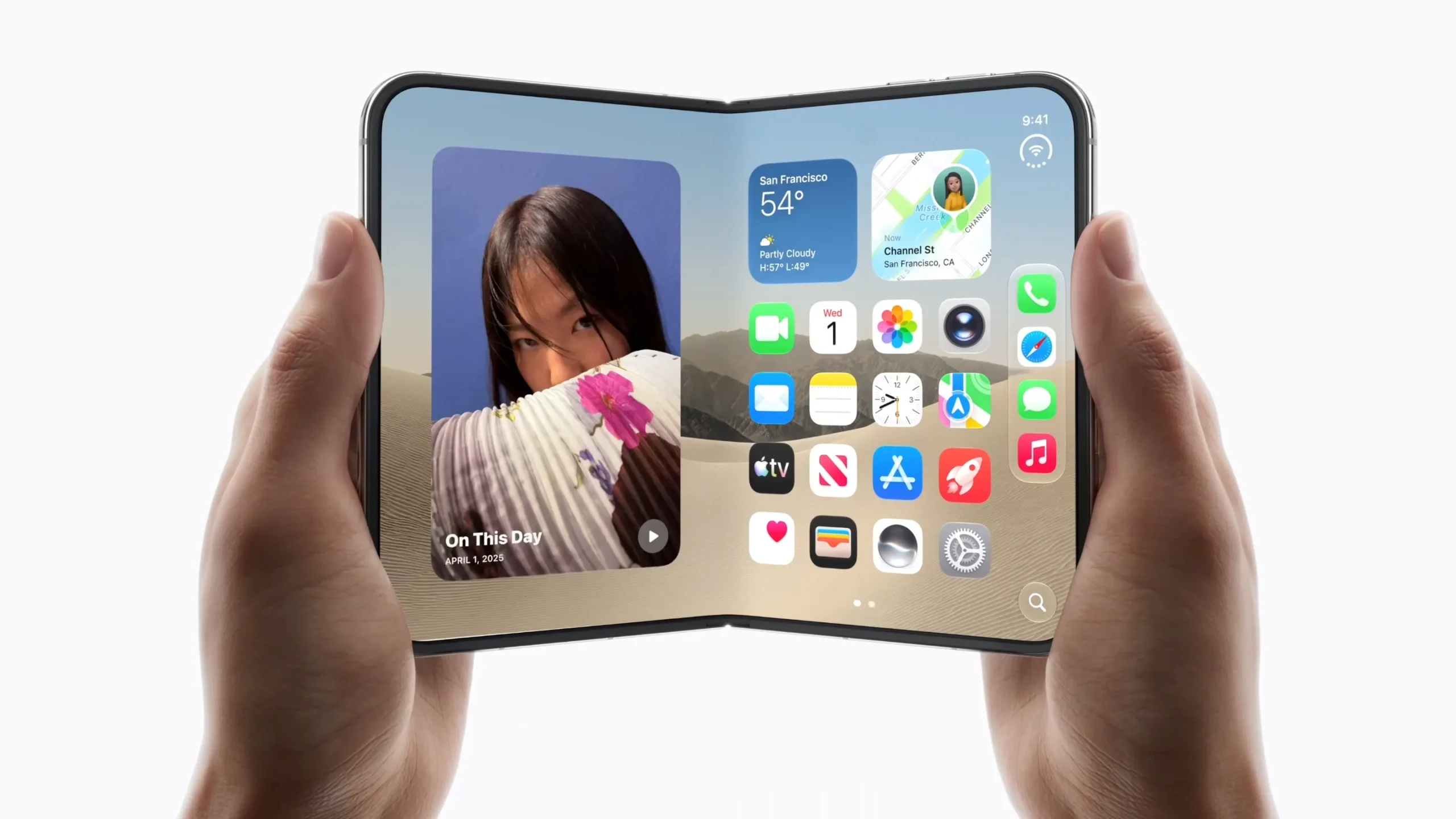
Apple’s innovative iPhone Duo, a groundbreaking foldable device that initially faced scrutiny over its nascent software ecosystem, has rapidly achieved a significant milestone: over 100,000 applications now optimized for its unique form factor are live on the App Store. This announcement, made by the Cupertino giant on Friday, signals a rapid acceleration in developer adoption, with thousands more applications reportedly being added daily. This swift progress addresses one of the primary criticisms leveled against the device during its early review period, which often highlighted a scarcity of Duo-specific applications.
The Genesis of a New Form Factor and Initial Hurdles
The iPhone Duo’s launch marked Apple’s entry into the burgeoning foldable smartphone market, a segment previously dominated by competitors like Samsung and, more recently, Google. Apple’s approach, typically characterized by meticulous design and a strong emphasis on user experience, meant a later entry than some rivals. The device, starting at a premium price point of $1,999 for the 256GB model, aimed to redefine mobile computing with its dual-screen interface. However, early reviews, including those highlighted by publications like MacStories, frequently pointed to the lack of Duo-optimized apps as a significant drawback. Users often encountered "black bars" on the sides of non-optimized applications, occupying valuable screen real estate and sometimes obscuring critical functions within overflow menus, thus undermining the device’s unique selling proposition.
This initial friction underscored a common challenge with new hardware form factors: the chicken-and-egg problem where developers hesitate to invest in optimization without a substantial user base, and consumers hesitate to adopt without a robust application ecosystem. For Apple, renowned for its tightly integrated hardware and software, this initial imbalance was particularly notable. The company’s history with new product categories, such as the original iPhone, iPad, and Apple Watch, often saw a gradual build-up of app support, but the foldable market had already established expectations.
Accelerated Developer Engagement and Key Optimizations
Apple’s announcement of 100,000 optimized apps represents a concerted effort to bridge this gap. This figure is not merely a quantitative achievement but a qualitative shift, signifying a robust commitment from the developer community. The timing of this news coincided with the release of a substantial wave of new Duo-ready applications, spanning critical categories. Productivity suite mainstays like Microsoft Word and Outlook are now optimized, offering enhanced multitasking capabilities across the Duo’s screens. Communication platforms such as Zoom have also been updated, promising a more expansive and intuitive conferencing experience.
Sports enthusiasts can now enjoy bespoke experiences from the NBA and NHL, leveraging the dual-screen setup for concurrent viewing and stat tracking. Shopping apps like Etsy and LTK have also received Duo-specific updates, potentially allowing for richer product browsing or comparison shopping. For creative and professional users, productivity tools like Goodnotes and Extra, along with the professional-grade Halide Mark III camera app, have been tailored for the device. These additions bolster an already existing roster of optimized applications that included popular streaming services like Netflix and YouTube, alongside social media giants Instagram and WhatsApp, which were crucial for early adopters.
The list of recently updated apps further illustrates the breadth of this ecosystem expansion, encompassing a wide array of services:
- Streaming & Media: Spotify, CBS, Tubi, BBC iPlayer (U.K.)
- Social & Communication: Facebook Messenger, Google Chat, ChatGPT, Grok Bot, Microsoft Copilot
- Productivity & Business: Excel, PowerPoint, SAP Concur, monday.com, PDF Expert, Documents, iA Writer, Substack
- News & Finance: The Washington Post, Yahoo News, FOX News, Kalshi, Yahoo Finance
- Creative & Utility: Canva, Suno, Google Translate
- Health & Fitness: Strava, Alma, Withings, MyFitnessPal, Bevel
- Transportation & Travel: Transit, Citi Bike, ParkMobile, Viator, Tesla Robotaxi, Priceline
- Retail & Food: Kroger, Domino’s, Taco Bell
- Leisure & Lifestyle: Untappd, The Weather Channel, FOX Weather, RainViewer, Tinder
- Sports: Yahoo Fantasy Sports, Sportsnet (Canada)
While Apple has provided this comprehensive list, it’s important to note, as the company itself cautioned, that not all these updates may have fully rolled out to users yet. For instance, some users might still observe the persistent "black bar" on Spotify, awaiting the official App Store update. However, the direct confirmation from Apple suggests these enhancements are imminent.
Apple’s Strategic Developer Outreach
The rapid influx of optimized applications is not an accidental phenomenon but the result of a deliberate and intensive developer outreach program by Apple. The company hosted over 50 in-person workshops across 19 cities worldwide, providing developers with hands-on access to the iPhone Duo and direct support from Apple’s engineering teams. This initiative was crucial for educating developers on the nuances of the new form factor, including considerations for app layouts, multitasking paradigms, and interaction models specific to the foldable design. More than 2,000 app developers participated in these sessions, gaining invaluable insights and technical assistance to adapt their existing applications or build new ones from the ground up for the Duo.
This proactive engagement strategy echoes Apple’s historical approach to fostering its developer ecosystem. From the early days of the App Store, Apple has consistently invested in developer tools, documentation, and support to ensure a rich software catalog for its devices. For a complex device like the iPhone Duo, with its unique challenges related to screen continuity, aspect ratios, and user interaction modes across a hinge, direct guidance was paramount. This investment signals Apple’s long-term commitment to the foldable segment and its belief in the Duo’s potential to evolve into a mainstream device.
Unprecedented Demand and Supply Chain Realities
Beyond the software advancements, the iPhone Duo has also demonstrated a surprising level of market demand, exceeding perhaps even Apple’s own initial projections given its premium pricing. The device swiftly sold out within hours of pre-orders opening, a testament to the enduring appeal of Apple’s brand and the intrigue surrounding its first foldable offering. This robust demand quickly led to significant supply chain constraints, with Duo ship times extending well into the next year.
During its recent earnings call, Apple executives acknowledged these challenges, stating that it was "hard to predict" when the supply constraints leading to these delays would improve. This situation, while frustrating for eager consumers, underscores the strong consumer interest in the device and validates Apple’s entry into the foldable market. It also highlights the complexities of manufacturing such a sophisticated device at scale, particularly given the global supply chain challenges that have persisted in the technology sector. The confluence of high demand and limited supply creates a perception of exclusivity and desirability, often fueling further interest.
Official Endorsement and Broader Implications
Susan Prescott, Apple’s vice president of Worldwide Developer Relations, articulated the company’s satisfaction with the developer community’s response. In a statement acknowledging the 100,000-app milestone, Prescott said, “It’s been wonderful to see how quickly developers have embraced iPhone Duo, and we’re grateful for their creativity and innovation. The enthusiasm has been incredible, and we’re excited to see the pace of updates continue to accelerate as more and more apps optimize for iPhone Duo.” Her comments underscore Apple’s strategic reliance on its developer ecosystem as a core differentiator and a key driver of product success.
The rapid growth in optimized applications for the iPhone Duo carries several significant implications. Firstly, it substantially enhances the user experience for current and future Duo owners. A richer app ecosystem directly translates to greater utility, versatility, and satisfaction, mitigating the initial concerns about software readiness. This improved experience is crucial for retaining early adopters and attracting a broader consumer base.
Secondly, this milestone solidifies Apple’s position within the competitive foldable market. By rapidly addressing the software gap, Apple signals its intent to be a serious, long-term player in this segment, challenging established competitors. A robust app ecosystem has always been a key advantage for Apple, and replicating this strength in a new form factor reinforces its overall platform dominance.
Thirdly, the success of the developer outreach program sets a precedent for future Apple hardware innovations. It demonstrates Apple’s capability to mobilize its vast developer community to support new technologies and form factors, a critical asset as the company explores other nascent product categories, such as augmented or virtual reality devices.
Finally, for the broader mobile industry, the iPhone Duo’s journey from initial software skepticism to a burgeoning app ecosystem offers valuable lessons. It highlights the indispensable role of developer support in the success of any novel hardware. As mobile technology continues to evolve, the collaborative efforts between hardware manufacturers and software developers will remain paramount in shaping the user experience and driving market adoption. The iPhone Duo’s story is rapidly evolving into a case study of how a powerful ecosystem, when properly nurtured, can overcome initial challenges and unlock the full potential of innovative hardware.
When you purchase through links in our articles, we may earn a small commission. This doesn’t affect our editorial independence.
About the Author
Sarah has worked as a reporter for TechCrunch since August 2011, having previously spent over three years at ReadWriteWeb. Prior to her career in journalism, Sarah worked in I.T. across various industries, including banking, retail, and software.
You can contact or verify outreach from Sarah by emailing [email protected] or via encrypted message at sarahperez.01 on Signal.
