

Alaska Airlines is embarking on a comprehensive overhaul of its cabin interiors across both the Alaska Airlines and Hawaiian Airlines fleets, coupled with significant enhancements to its loyalty program and the introduction of new financial products, signaling a strategic pivot towards higher-margin premium travel experiences aimed at bolstering profitability well into the next decade. This multi-faceted initiative, disclosed ahead of the carrier’s highly anticipated investor day in Seattle, underscores a broader industry trend of airlines investing heavily in luxury amenities to capture a growing segment of travelers willing to pay a premium for enhanced comfort and services. Executives are expected to articulate how these new offerings will not only elevate the customer experience but also contribute substantially to the company’s financial performance, particularly in the face of fluctuating economic conditions and persistent cost pressures, such as the surge in jet fuel prices experienced this year. The investor day will also likely highlight the synergistic potential of these changes with the airline’s co-branded credit card portfolio and loyalty program, which have historically generated billions in revenue for major carriers.
A Strategic Pivot Towards Premiumization
The decision by Alaska Airlines to significantly increase its high-end seat count and develop new airport lounges reflects a calculated response to evolving consumer preferences and a robust demand for premium travel. Following its acquisition of Hawaiian Airlines in September 2024, Alaska has been working to integrate and optimize its expanded network. While the two carriers will continue to operate as distinct brands, their combined strategic vision now includes a concerted effort to standardize and elevate the premium offering. This move aligns Alaska with its major U.S. competitors, many of whom have spent the past several years revamping their cabins to allocate more space to first-class and business-class seats, often at the expense of economy seating. The rationale is clear: premium fares can command many times the price of an economy ticket, yielding significantly higher revenue per square foot of cabin space.
Industry analysis consistently shows that premium cabin revenue has outpaced economy growth in recent years, even during periods of economic uncertainty. According to reports from the International Air Transport Association (IATA), premium travel has demonstrated remarkable resilience, often recovering faster than economy segments after downturns. This trend is driven by a combination of factors, including a growing affluent traveler base, an increase in "bleisure" (business-leisure) travel, and a greater willingness among consumers to splurge on comfort for long-haul journeys. Alaska Airlines’ strategic timing, as noted by Henry Harteveldt, founder of Atmosphere Research Group, a prominent travel consulting firm, offers a unique advantage. "There is an advantage to being the last mover in that you’ve seen what your competitors have and if you want to you can try to one-up them," Harteveldt observed, suggesting that Alaska has the opportunity to integrate the best practices and latest innovations observed across the industry.
Transforming the Hawaiian Airlines A330 Fleet
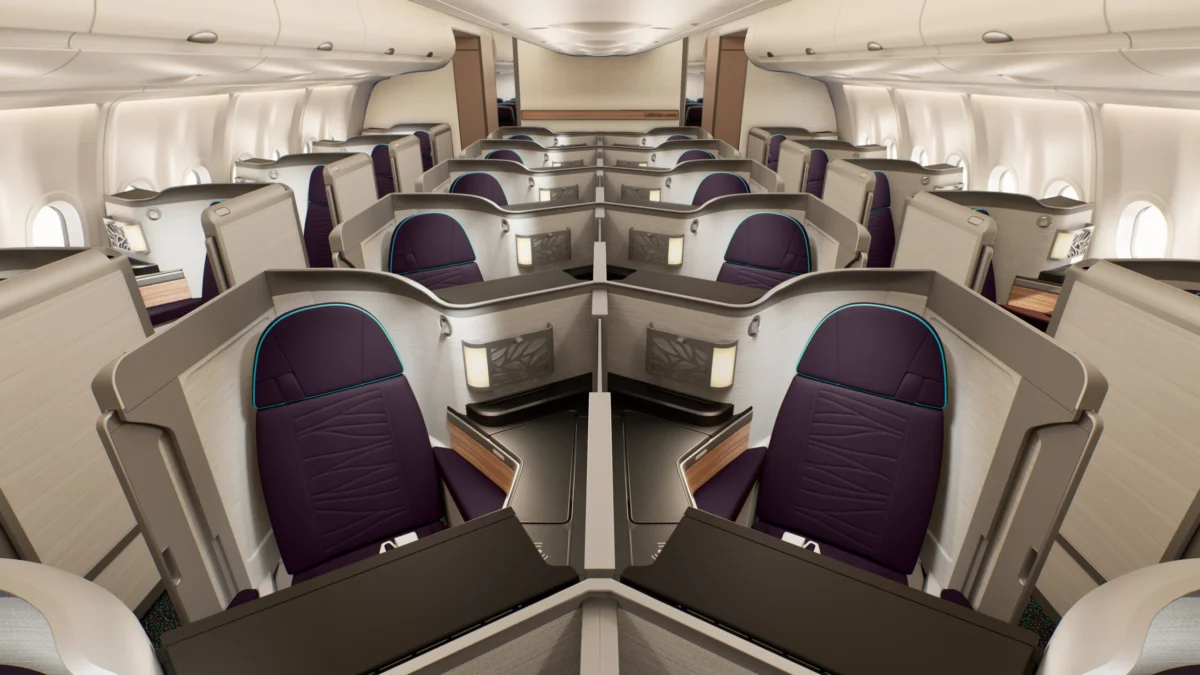
At the forefront of this cabin transformation is the extensive overhaul of Hawaiian Airlines’ Airbus A330 aircraft, which serve crucial routes to Hawaii, Asia, and Oceania. These long-haul planes, described by Shane Jones, Alaska’s head of fleet, as having "aging interiors," are set to undergo a dramatic modernization. The revamp will see the total seat count on these A330s reduced from 278 to 254, a deliberate trade-off to accommodate a greater number of spacious, high-end seats. This reduction in density is expected to create a more luxurious and comfortable experience for passengers, providing a diverse range of premium choices, from indulgent first-class suites perfect for a honeymoon splurge to enhanced premium economy options designed for repeat Hawaii visitors seeking a notable step-up from standard coach.
The design process for these new interiors was meticulous and highly detailed. Jones revealed that the airline dedicated months to evaluating fabric samples at its Seattle headquarters, scrutinizing them under various lighting conditions to achieve the perfect aesthetic. The goal was to evoke the serene colors and tranquil mood of a tropical Hawaiian escape. Designers experimented with different shades, avoiding hues that were "too bright pink" or "too drab," ultimately settling on a palette that reflects the islands’ natural beauty. A key design element is a subtle wave pattern woven into the seat fabric, a motif chosen to reinforce the tropical theme. The team carefully assessed the density of this pattern, ensuring it was prominent enough to convey the desired imagery without becoming "dizzying" for passengers. This attention to detail underscores a commitment to creating an immersive and authentic Hawaiian experience from the moment passengers board.
Diana Birkett Rakow, CEO of Hawaiian Airlines, emphasized the strategic importance of these upgrades, particularly for the crucial West Coast market. More than half of Hawaii’s visitors originate from the U.S. West Coast, a demographic she described as "valuable to us from an economic perspective, just in terms of their income, their travel budget, their spending patterns, their flying patterns." The enhanced premium offerings are thus directly aimed at "elevating the experience" for this high-value customer base, fostering loyalty and encouraging repeat business. The investment also positions Hawaiian Airlines more competitively against other carriers serving the popular Hawaii routes, many of whom have already introduced their own premium products.
While the primary focus of the detailed cabin descriptions was on Hawaiian’s A330s, the initial visual cue of "Alaska Airlines’ new 737 Max new suites" suggests that Alaska’s mainline fleet is also undergoing a similar transformation. This implies a comprehensive strategy to standardize and upgrade premium offerings across both brands, ensuring a consistent high-quality experience for customers regardless of which aircraft they fly. Such an integrated approach is crucial for realizing the full synergistic benefits of the merger and presenting a unified, elevated product to the market.

Expanding International Reach and Addressing Market Dynamics
Alaska Airlines has been actively expanding its international footprint from its Seattle hub, with new routes to major European destinations like London, Iceland, and Italy, and more destinations planned for the upcoming fall. The introduction of modern, comfortable premium cabins on its long-haul aircraft is vital for competing effectively in these lucrative international markets. Airline executives have consistently reported that demand for international travel has held strong, even in the face of rising fuel prices and broader economic uncertainties. This resilience in international and premium segment demand provides a strong foundation for Alaska’s investment strategy, mitigating some of the risks associated with high operational costs.
The airline industry has faced considerable pressure from volatile jet fuel prices throughout the year. Fuel is typically one of an airline’s largest operating expenses, and significant spikes can severely impact profitability. While the specific details of Alaska’s mitigation strategies (such as hedging policies or fuel surcharges) were not detailed in the announcement, the robust investment in premium products can be seen as a proactive measure to enhance revenue per passenger, thereby offsetting some of the increased operational costs. By capturing a larger share of high-spending travelers, Alaska aims to build a more resilient financial model less susceptible to commodity price fluctuations.
Innovating Loyalty: Debit Cards and Program Adjustments
Beyond physical cabin upgrades, Alaska Airlines is also making significant strides in its loyalty ecosystem, particularly with its Atmos frequent flyer program and co-branded financial products. Early next year, the airline plans to launch a rewards debit card through its partnership with Bank of America. This initiative expands Alaska’s existing portfolio of co-branded credit cards and is strategically aimed at a broader demographic, specifically "younger and new arrivals in the U.S." The debit card is designed to "expand the program’s reach beyond traditional credit products," tapping into a market segment that may not qualify for or prefer not to use credit cards. This move mirrors similar strategies adopted by other major carriers, such as Southwest Airlines and United Airlines, which have launched comparable rewards debit cards through their partner, JPMorgan Chase, recognizing the potential to deepen customer engagement and capture new revenue streams from everyday spending.
Co-branded credit and debit cards and associated loyalty programs are often considered the "secret weapon" of airline profitability. They generate substantial revenue through interchange fees, annual fees, and the sale of miles to financial partners. For many airlines, these programs contribute a significant portion of their overall profit, sometimes exceeding the profits generated from flying passengers. By broadening its financial product offerings, Alaska aims to further monetize its loyal customer base and attract new members to its Atmos program, strengthening its financial position and brand stickiness.
Concurrently, Alaska is implementing changes to its Atmos frequent flyer program, effective Thursday. Members will now have to choose between earning miles based on distance traveled, the price of the ticket, or segments flown. This shift reflects a broader industry trend away from distance-based earnings, which often disproportionately rewarded frequent, low-fare travelers. Instead, airlines are increasingly prioritizing how much travelers spend on tickets or through their co-branded rewards credit cards. This strategic adjustment aims to better reward high-value customers and those who contribute more revenue to the airline’s ecosystem, aligning the loyalty program’s incentives with the airline’s financial objectives. While some frequent flyers might view this as a devaluation for certain types of travel, it is a common move designed to maximize profitability and reward the most lucrative customers.
Merger Synergy and Future Outlook
The comprehensive nature of these announcements underscores the strategic vision post-merger with Hawaiian Airlines. While the airlines will maintain separate brand identities, the shared investment in premium experiences and loyalty program enhancements indicates a unified approach to market positioning and customer acquisition. The merger, completed in September 2024, was predicated on the promise of expanded network reach, increased market share, and significant synergistic benefits. By upgrading the Hawaiian Airlines fleet, Alaska is not only enhancing the customer experience for its acquired brand but also integrating it more fully into its overall premium strategy, leveraging the combined entity’s resources for a stronger competitive stance.
As Alaska Airlines executives prepare to face investors on Tuesday, they will undoubtedly address how these significant investments are expected to translate into tangible financial returns. The discussion will likely delve into projected revenue increases from premium cabins, the anticipated growth in loyalty program participation and associated financial product revenue, and the strategies for managing ongoing operational challenges like fuel costs. The continued willingness of customers to pay a premium for travel luxuries, coupled with Alaska’s strategic enhancements, positions the airline to capitalize on robust travel demand and grow its profits into the next decade. The coming months will reveal how successfully Alaska navigates the competitive landscape and delivers on its promise of an elevated travel experience across its expanded network.
