

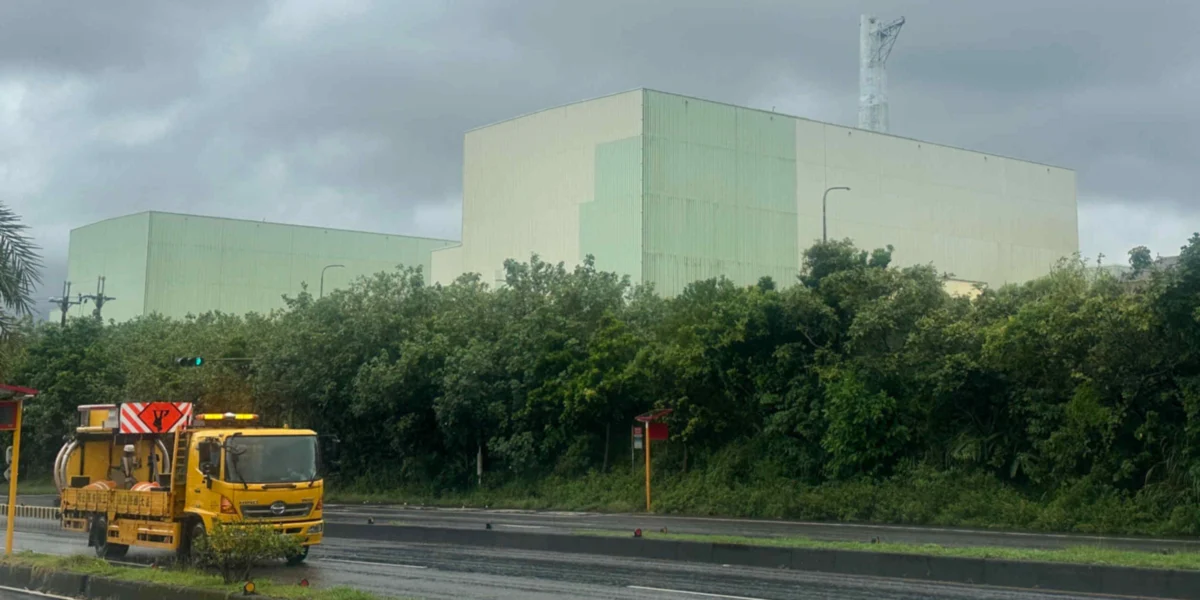
TAIPEI — Taiwan’s ruling Democratic Progressive Party (DPP) is facing mounting pressure to re-evaluate its long-standing opposition to nuclear power, a cornerstone of its energy policy, amidst an unprecedented surge in electricity demand fueled by the burgeoning artificial intelligence (AI) industry. The island’s robust technology sector, particularly its dominance in semiconductor manufacturing, is at the forefront of the global AI revolution, creating an energy challenge that is forcing a critical reassessment of Taiwan’s power generation strategy. The debate is intensifying as projections show electricity consumption rising sharply in the coming years, potentially outstripping existing supply and straining the island’s grid infrastructure.
The crux of the issue lies in the immense power requirements of AI data centers and advanced manufacturing facilities. The production of sophisticated semiconductors, a process Taiwan excels at, is notoriously energy-intensive. As global demand for AI-driven applications, from advanced computing to machine learning, escalates, so too does the need for the power to fuel these operations. Taiwan, home to world-leading chipmakers like TSMC (Taiwan Semiconductor Manufacturing Company), finds itself at a critical juncture where its economic prowess is directly linked to its energy security and capacity.
A Shifting Energy Landscape: From Nuclear Moratorium to AI Demands
Taiwan’s energy policy has undergone significant transformations over the past two decades. A pivotal moment was the Fukushima Daiichi nuclear disaster in Japan in 2011. This event had a profound impact on public opinion and government policy across Asia, including Taiwan. In the aftermath, Taiwan’s government accelerated its plans to phase out nuclear power. The island currently operates three nuclear power plants: Chin Shan, Kuosheng, and Maanshan. The Chin Shan plant began decommissioning in 2018, and Kuosheng is slated for decommissioning by 2025. Maanshan is scheduled to cease operations by 2025 as well, marking a potential complete phase-out of nuclear energy by the end of this decade.
The fourth nuclear power plant, Lungmen, has been a contentious project. Construction began in 1999, but it has been plagued by delays, cost overruns, and public opposition. The project has been largely frozen since 2014, with its future uncertain. The DPP, which came to power in 2016, has largely maintained the commitment to a nuclear-free future, prioritizing renewable energy sources like solar and wind power to meet the island’s energy needs.
However, the rapid and unexpected acceleration of the AI boom has thrown these plans into sharp relief. Projections for electricity demand are now significantly higher than previously anticipated. For instance, the Taiwan Power Company (Taipower) has revised its long-term electricity demand forecasts upward. While specific figures are subject to ongoing analysis and revision, the general trend indicates a substantial increase, potentially in the double-digit percentage range over the next five to ten years, driven by new industrial investments, particularly in AI-related sectors. This surge poses a significant challenge to Taiwan’s ambitious renewable energy targets, which, while crucial, may not be able to scale up quickly enough to meet the projected demand.
The AI Imperative: Powering the Future of Technology
The economic implications of the AI revolution for Taiwan are immense. The island is a linchpin in the global supply chain for advanced electronics, and its continued leadership in semiconductor manufacturing is vital for its economic prosperity. The ability to attract and retain leading technology companies, many of whom are investing heavily in AI infrastructure, hinges on the availability of a stable and abundant power supply.
Data centers, the physical backbone of AI, are voracious consumers of electricity. They require constant power to operate servers, cooling systems, and networking equipment. As AI models become more complex and data volumes grow exponentially, the energy footprint of these facilities will only expand. Similarly, the advanced manufacturing processes involved in producing cutting-edge semiconductors also demand substantial and reliable power.
Renewables vs. Nuclear: A Difficult Equation
Taiwan’s current energy policy emphasizes a transition to renewables. The government has set ambitious targets for increasing the share of renewable energy in its power mix. Solar power, benefiting from Taiwan’s subtropical climate, has seen significant growth. Wind power, particularly offshore wind, is also a major focus, with several large-scale projects underway.
However, the inherent intermittency of solar and wind power presents a challenge for meeting the constant, high-demand needs of industrial operations. While battery storage technology is advancing, it is not yet at a scale or cost-effectiveness to fully compensate for the variability of these sources. This is where nuclear power, with its consistent baseload generation capabilities, becomes a point of contention.
Nuclear power plants can operate 24/7, providing a stable and predictable source of electricity, independent of weather conditions. For energy-intensive industries that cannot afford power disruptions, this reliability is a significant advantage. The argument for reconsidering nuclear power often centers on its low carbon emissions during operation, contributing to Taiwan’s climate goals, and its ability to provide a secure energy supply that complements renewable sources.
Reactions and Emerging Voices
The debate over nuclear power is not confined to government circles. Industry leaders, economists, and environmental groups are all weighing in. Major technology companies, while not directly advocating for a specific energy source, have expressed concerns about the reliability and adequacy of future power supplies. Their investments are contingent on Taiwan’s ability to provide the necessary infrastructure.
Some opposition parties, while historically aligned with the DPP on the nuclear issue, are now signaling a willingness to engage in a broader discussion. Legislators from across the political spectrum have acknowledged the growing energy demand and the need for pragmatic solutions.
Environmental organizations, long champions of a nuclear-free Taiwan, are now facing a complex dilemma. While their primary goal remains the elimination of nuclear waste and the prevention of nuclear accidents, some are acknowledging the potential role nuclear power could play in a transition away from fossil fuels, provided stringent safety regulations are in place. However, many remain steadfast in their opposition, advocating for accelerated investment in renewables and energy efficiency measures.
Analyzing the Implications: Economic Stability and Energy Security
The decision on Taiwan’s energy future carries significant implications:
- Economic Competitiveness: Taiwan’s ability to maintain its leadership in the global technology sector is directly tied to its energy security. A prolonged energy shortage or unreliable supply could deter investment and lead to companies seeking alternative locations.
- Energy Independence: Reducing reliance on imported fossil fuels is a strategic objective for many nations, including Taiwan. Nuclear power, once operational, can contribute to a more diversified and domestically controlled energy portfolio, though it still relies on imported uranium.
- Environmental Commitments: While nuclear power is carbon-free during operation, the issue of radioactive waste disposal remains a significant challenge. Balancing these concerns with the need for clean energy is a delicate act.
- Public Perception: Public opinion on nuclear power in Taiwan has been shaped by past incidents and ongoing safety concerns. Any move to re-evaluate nuclear policy would require extensive public consultation and a robust safety assurance framework.
A Path Forward: Data-Driven Decisions and Pragmatic Dialogue
The coming months and years will be critical for Taiwan’s energy policy. The government is under pressure to reconcile its commitment to a nuclear-free future with the undeniable energy demands of its thriving AI and semiconductor industries.
Several key steps are likely to be considered:
- Comprehensive Energy Demand Forecasting: More granular and frequently updated projections of electricity demand, specifically factoring in the growth of AI infrastructure and advanced manufacturing, are essential. This will require close collaboration between government agencies, Taipower, and industry stakeholders.
- Scenario Planning: Developing various energy supply scenarios, outlining the feasibility, costs, and timelines associated with different combinations of renewable energy, natural gas, and potentially nuclear power, will be crucial for informed decision-making.
- Technological Advancements in Renewables and Storage: Continued investment in research and development for renewable energy technologies and large-scale energy storage solutions is paramount. This could potentially reduce the reliance on other energy sources.
- Revisiting Nuclear Options with Stringent Safeguards: If the debate over nuclear power gains momentum, any consideration of restarting or utilizing existing nuclear facilities, or even re-evaluating the frozen fourth plant, would necessitate an exhaustive review of international safety standards, waste management protocols, and public engagement strategies. This would likely involve extensive public hearings and expert assessments.
- Energy Efficiency and Demand-Side Management: Implementing aggressive energy efficiency programs across industrial, commercial, and residential sectors can help mitigate the overall demand growth.
The frozen fourth nuclear power plant at Lungmen serves as a potent symbol of Taiwan’s past energy debates. The current AI-driven energy surge presents an opportunity, and indeed a necessity, for a pragmatic and forward-looking approach. The island’s economic future, its energy security, and its commitment to environmental sustainability are all intertwined in this complex and evolving energy landscape. The DPP, as the ruling party, faces the challenging task of navigating these competing priorities and forging a consensus that can power Taiwan’s continued technological leadership and economic prosperity. The decisions made in the coming years will shape the island’s energy trajectory for decades to come.
