

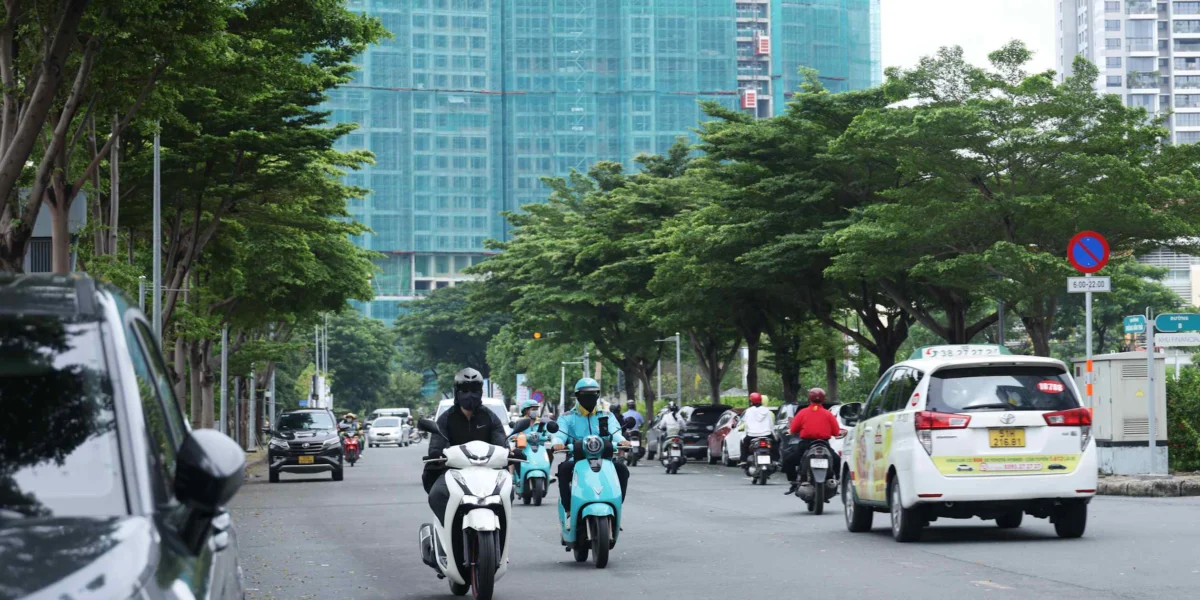
HO CHI MINH CITY – Vietnam’s most populous metropolis, Ho Chi Minh City, has announced a postponement of its ambitious low-emission zone initiative, a move designed to restrict gasoline-powered vehicles in a bid to combat escalating air pollution and improve urban air quality. The initial phase of the regulation, which was slated to commence imminently, will now be implemented at a later date, affording residents and businesses crucial additional time to adapt to the forthcoming environmental measures. The revised timeline aims to facilitate a smoother transition, acknowledging the significant economic and logistical adjustments required for compliance.

Initial Scope and Phased Implementation
The postponed low-emission zone was initially conceived as a phased approach to gradually reduce vehicular emissions within the city’s core. The first stage of the plan was specifically designed to target a limited downtown area, focusing on vehicles that are considered primary contributors to air pollution in dense urban environments. Notably, the initial restrictions were intended to apply exclusively to buses and garbage trucks. This strategic focus aimed to address high-mileage, heavy-duty vehicles that often operate with less stringent emission controls compared to newer passenger cars.
The rationale behind targeting buses and garbage trucks stems from their consistent operational patterns and significant mileage accumulation within the city. Buses, as public transport, are integral to the city’s mobility but can contribute substantially to local emissions due to their large engines and continuous operation. Similarly, garbage trucks, essential for sanitation, are often older models with less efficient combustion systems. By prioritizing these vehicle types, authorities sought to achieve a measurable impact on air quality in concentrated areas with minimal disruption to the majority of private vehicle owners in the initial phase.

Background: The Growing Air Quality Crisis in Vietnam’s Urban Centers
Ho Chi Minh City, a vibrant economic hub and home to over 9 million residents, has been grappling with a persistent and worsening air quality problem. Rapid urbanization, coupled with a burgeoning vehicle fleet—estimated to be in the millions of cars and motorbikes—has placed immense strain on the city’s environment. Factors contributing to this crisis include:
- Rapid Industrialization and Construction: The city’s economic dynamism has led to widespread industrial activity and extensive construction projects, both of which release particulate matter and other pollutants into the atmosphere.
- Motorbike Dominance: For decades, motorbikes have been the primary mode of transportation for a significant portion of the population. While many are now transitioning to cleaner models, older, less efficient two-stroke engines continue to contribute to smog.
- Traffic Congestion: Chronic traffic congestion exacerbates emissions as vehicles idle for extended periods, leading to higher fuel consumption and pollutant release.
- Limited Public Transportation Infrastructure: Despite ongoing efforts, the public transportation network, while expanding, still struggles to meet the demands of the vast population, pushing many to rely on private vehicles.
- Seasonal Factors: Specific weather patterns, such as stagnant air masses during certain times of the year, can trap pollutants, leading to elevated levels of fine particulate matter (PM2.5) and other harmful gases.
The World Health Organization (WHO) has consistently highlighted the detrimental health impacts of poor air quality, including respiratory illnesses, cardiovascular diseases, and premature deaths. Vietnam, in particular, has seen a notable rise in these health concerns, prompting increased governmental focus on environmental sustainability and public health. The introduction of low-emission zones is a globally recognized strategy to mitigate these issues, adopted by numerous cities worldwide.

Chronology of the Low-Emission Zone Initiative
The journey towards implementing a low-emission zone in Ho Chi Minh City has been a multi-year process involving extensive planning, research, and public consultation. While specific dates for the initial planning phases are not readily available in the provided snippet, the general progression can be inferred:
- Early Planning and Feasibility Studies: Recognizing the escalating air quality challenges, city officials and environmental agencies likely initiated preliminary studies and assessments to understand the scope of the problem and explore potential solutions. This would have involved data collection on emission sources, traffic patterns, and the health impacts of pollution.
- Policy Development and Public Consultation: Following feasibility studies, a more concrete policy framework for emission reduction strategies, including the concept of low-emission zones, would have been developed. This stage typically involves consultations with various stakeholders, including transport operators, businesses, environmental groups, and the general public, to gather feedback and address concerns.
- Drafting and Approval of Regulations: Once a policy direction was established, detailed regulations and operational guidelines for the low-emission zone would have been drafted. This would include defining the geographical boundaries, vehicle types subject to restrictions, emission standards, enforcement mechanisms, and penalty structures. The regulations would then undergo formal approval processes by relevant government bodies.
- Announcement of Implementation and Initial Timeline: The city authorities would have publicly announced the plan to introduce the low-emission zone, often accompanied by an initial timeline for its phased implementation. This announcement typically includes details about the scope of the first phase and the types of vehicles that would be affected.
- Pre-Implementation Period and Preparations: Following the announcement, a preparatory period would commence, allowing businesses and vehicle owners to make necessary adjustments. This could involve upgrading vehicle fleets, investing in cleaner technologies, or exploring alternative transportation solutions.
- Original Scheduled Launch: The initial phase of the low-emission zone was scheduled to commence in the immediate future, as indicated by the news of its delay.
- Announcement of Delay: The recent announcement signifies a postponement of this scheduled launch, citing the need for further adjustment time.
Supporting Data and Environmental Imperatives
The decision to implement stricter emission controls is underpinned by alarming environmental data. Studies conducted by Vietnamese environmental agencies and international organizations consistently point to Ho Chi Minh City as one of the most polluted cities in Southeast Asia.

- PM2.5 Levels: Data from air quality monitoring stations in Ho Chi Minh City frequently show levels of fine particulate matter (PM2.5) exceeding the WHO’s recommended guidelines. PM2.5 particles are particularly dangerous as they can penetrate deep into the lungs and enter the bloodstream, contributing to a range of health problems. For instance, during peak pollution periods, PM2.5 concentrations can reach over 50 µg/m³, significantly higher than the WHO’s annual average guideline of 5 µg/m³ and 24-hour guideline of 15 µg/m³.
- Vehicle Fleet Growth: The number of registered vehicles in Ho Chi Minh City has been on a steep upward trajectory. As of recent reports, the city hosts millions of motorbikes and hundreds of thousands of cars, with annual growth rates suggesting a continuing increase in vehicular emissions.
- Health Burden: Reports from the Ministry of Health indicate a rise in respiratory and cardiovascular diseases, which are strongly correlated with exposure to air pollution. The economic cost associated with treating these pollution-related illnesses is also substantial.
The environmental imperative for action is clear. Failure to address air pollution not only jeopardizes public health but also impacts the city’s economic competitiveness and overall quality of life. The low-emission zone is part of a broader strategy that may include promoting electric vehicles, enhancing public transportation, and implementing stricter emission standards for all vehicles in the long term.
Reactions and Inferences from Related Parties
While the original article does not include direct quotes from stakeholders, the decision to delay the rollout suggests a pragmatic response to feedback and observed realities.

- Transport Operators (Buses and Garbage Trucks): It can be inferred that operators of buses and garbage trucks, the initial targets of the regulation, may have expressed concerns about the feasibility and cost of immediate compliance. Upgrading or replacing entire fleets of older vehicles to meet stringent emission standards represents a significant capital investment. The delay likely provides these operators with more time to secure financing, procure compliant vehicles, or explore retrofitting options.
- Businesses and Logistics Companies: Businesses relying on the efficient operation of delivery vehicles and municipal services would also have a vested interest in the smooth implementation of such regulations. The delay could be a response to concerns about potential disruptions to supply chains or service provision if the transition is too abrupt.
- Environmental Advocacy Groups: While these groups generally support strong environmental measures, they may also acknowledge the need for realistic implementation timelines. They might be advocating for robust enforcement and continued public awareness campaigns during the extended adjustment period.
- City Administration: The decision to delay signals a willingness by the city administration to listen to stakeholder concerns and ensure a more successful and less disruptive implementation. It reflects a commitment to achieving environmental goals without causing undue economic hardship or operational paralysis.
Broader Impact and Future Implications
The delay in the low-emission zone rollout has several potential implications:
- Extended Period of Elevated Emissions: The continued operation of potentially higher-emission vehicles in the downtown area for a longer duration means that the immediate benefits to air quality, which the zone was intended to provide, will be postponed. This could prolong the exposure of residents to harmful pollutants.
- Opportunity for Better Preparation: Conversely, the extended timeline offers a crucial window for all parties involved to prepare more thoroughly. Transport operators can accelerate fleet upgrades, businesses can refine logistics strategies, and the city can potentially enhance public awareness campaigns and provide support mechanisms for compliance.
- Potential for Policy Refinement: The delay might also provide an opportunity for the city to refine the regulations based on further observations or new technological advancements in emission control. This could lead to a more effective and efficient final implementation.
- Impact on Public Perception: A delayed rollout could, in some instances, affect public perception of the government’s commitment to environmental action. However, a well-managed and ultimately successful implementation, even with a delay, could foster greater public trust in the long run.
- Setting a Precedent: The way Ho Chi Minh City manages this delay and eventual implementation could serve as a case study for other Vietnamese cities looking to introduce similar environmental regulations. A smooth transition, despite the initial postponement, would be a positive indicator for future urban environmental initiatives in Vietnam.
The ultimate success of Ho Chi Minh City’s low-emission zone will hinge on effective communication, robust support for affected parties, and a clear, unwavering commitment to achieving cleaner air for its citizens. The postponement, while a setback to immediate environmental gains, may ultimately pave the way for a more sustainable and widely accepted long-term solution.
