

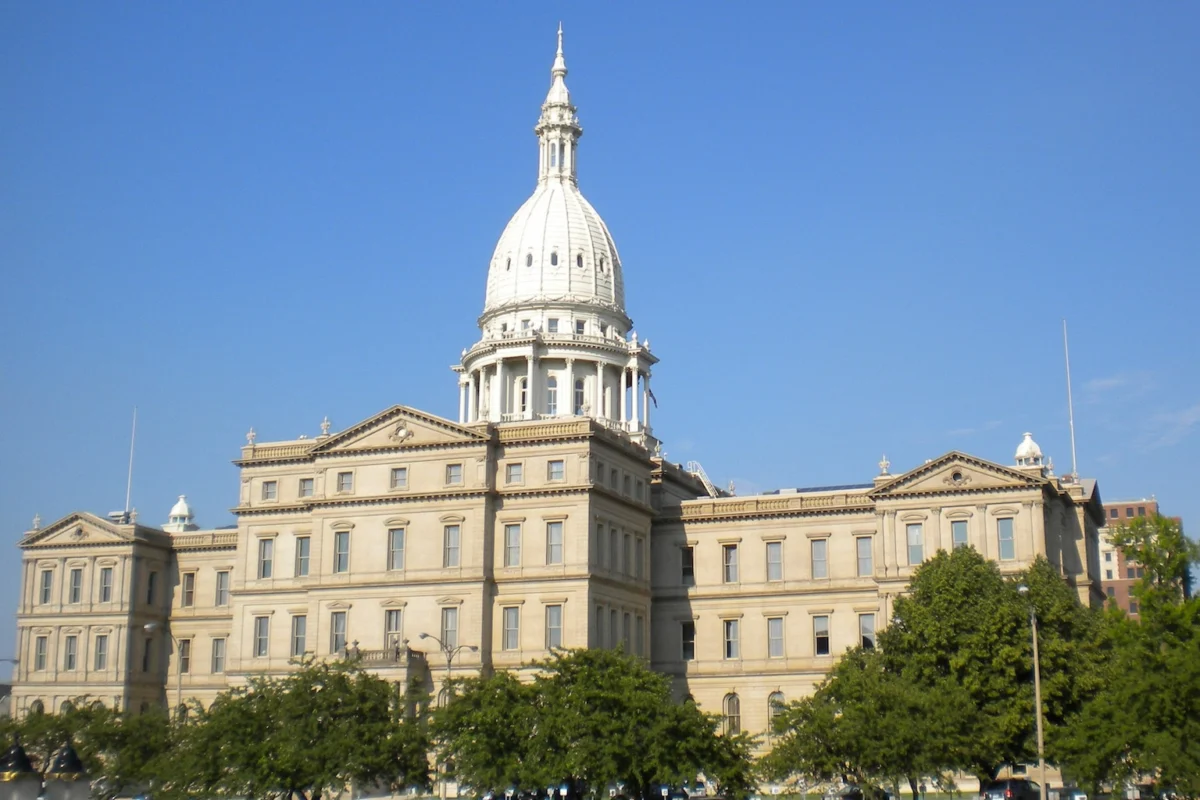
The landscape of Michigan’s housing policy is undergoing a significant transformation as advocates and lawmakers interpret the results of the August primary elections as a definitive mandate for reform. Following a primary cycle where pro-housing incumbents saw overwhelming success, housing advocacy groups are mounting a renewed effort to push through the "Housing Readiness Package," a suite of nine bills that has remained largely dormant in the state legislature despite a worsening affordability crisis. The election data, which shows that voters did not penalize—and in many cases rewarded—lawmakers who championed density and zoning reform, is being used to dismantle the political narrative that housing reform is a "third rail" issue for local representatives.
Of the 24 state lawmakers who originally cosponsored the Housing Readiness Package, 21 sought reelection during this cycle. The results were statistically striking: 17 of those candidates faced no primary challenger at all, signaling a lack of appetite for opposition within their own parties. For the four who did face internal challengers, the average margin of victory was an astounding 47.2 percentage points. With nearly all of these seats considered "safe" for the incumbent party in the upcoming November general election, advocates argue that the political risk associated with challenging local zoning authority has been greatly exaggerated.
The Legislative Stalemate and the Housing Readiness Package
Despite the electoral success of its proponents, the Housing Readiness Package remains entrenched in the committee process. The nine-bill package represents a comprehensive attempt to modernize Michigan’s land-use laws, which many experts argue are relics of the mid-20th century that prioritize low-density, single-family sprawl over modern housing needs. The proposed reforms include measures to streamline permitting processes, reduce minimum lot sizes, and allow for the construction of "missing middle" housing—such as duplexes and townhomes—in areas previously restricted to single-family units.
The stagnation of these bills is largely attributed to fierce opposition from local government entities. The Michigan Townships Association and various municipal leagues have been vocal in their resistance, arguing that the package represents a "state-level power grab" that undermines the principle of "home rule." These organizations contend that local officials are best positioned to determine the character and density of their communities. During public hearings, township representatives flooded the testimony record, warning that state-mandated zoning changes could overwhelm local infrastructure, such as sewer and water systems, and erode the aesthetic identity of rural and suburban areas.
Conversely, the homebuilding industry and statewide advocacy groups like Abundant Housing Michigan argue that the current patchwork of local regulations has created an artificial scarcity of housing. By making it difficult and expensive to build dense, affordable units, proponents argue that local governments are inadvertently driving up costs for the entire state. The primary results are now being used as a counter-narrative to the pressure exerted by local officials, suggesting that while local governments may oppose the changes, the actual voting public is either supportive or indifferent to the loss of local zoning control in favor of lower housing costs.
Chronology of Reform: Successes Amidst the Friction
While the broader zoning package remains in limbo, the administration of Governor Gretchen Whitmer has secured several key victories that serve as a precursor to more radical reform. As Whitmer enters the final phase of her term-limited tenure, housing affordability has moved to the forefront of her legislative agenda, framed as an essential component of economic development and talent retention.
In July, a major milestone was reached when Governor Whitmer signed "single-stair" reform into law. This technical but high-impact change to the building code allows developers to construct apartment buildings up to four stories with only one interior exit stairwell, provided specific safety criteria are met. For buildings between five and six stories, the single-stair option remains available if enhanced fire-rated construction and suppression systems are utilized. This reform is expected to significantly lower construction costs for dense "infill" projects, as a second stairwell often consumes valuable square footage that could otherwise be used for additional living units, particularly on smaller urban lots.
Following the single-stair victory, the Governor signed legislation establishing Michigan’s first-ever state-level Low-Income Housing Tax Credit (LIHTC). This program is designed to mirror and supplement the existing federal LIHTC program, providing a new stream of equity for developers who commit to keeping rents affordable for low-to-moderate-income residents.
The Michigan Housing Opportunity Tax Credit: A Data-Driven Approach
The newly minted Michigan Housing Opportunity Tax Credit represents one of the most significant investments in affordable housing in the state’s history. The program caps annual allocations at $42 million, which will be administered by the Michigan State Housing Development Authority (MSHDA). The credit is scheduled to take effect on January 1, allowing developers to pair state credits with federal 4% or 9% credits to make complex affordable housing projects financially viable.
State Sen. Jeff Irwin, a primary sponsor of the credit, has projected that the program could facilitate the construction of more than 2,500 affordable units annually. This is a critical development for a state that, according to MSHDA’s Statewide Housing Plan, currently faces a deficit of nearly 190,000 housing units. While Michigan’s $42 million allocation is smaller than similar programs in neighboring Midwestern states like Ohio and Missouri—which have historically utilized state credits to aggressively expand their housing stock—it marks a fundamental shift in Michigan’s fiscal approach to the housing crisis.
The LIHTC program is expected to target "workforce housing," focusing on individuals earning between 30% and 120% of the Area Median Income (AMI). By providing a state-level match, Michigan aims to become more competitive in attracting national developers who often bypass states without supplemental tax credit programs in favor of those where the financial "gap" in affordable housing projects is easier to close.
Comparative Analysis: The "YIMBY" Momentum
The strategy of using election results to push for housing reform is not unique to Michigan. Abundant Housing Michigan has cited national research from organizations such as YIMBY (Yes In My Backyard) Action and the Sightline Institute to bolster their case. These studies indicate a growing trend across the United States where pro-housing candidates are increasingly successful in both primary and general elections.
In states like Oregon, California, and Montana, where comprehensive zoning reforms have been enacted at the state level, the predicted political "backlash" against lawmakers who voted for preemption has largely failed to materialize. The Sightline Institute’s analysis of the 2024 primary cycles suggests that housing is transitioning from a niche policy issue to a top-tier economic concern for voters, rivaling inflation and healthcare.
The Michigan data reinforces this national trend. The 47.2-point average margin of victory for cosponsors of the Housing Readiness Package suggests that "NIMBY" (Not In My Backyard) sentiment, while loud in town hall meetings, may not translate into a significant voting bloc at the ballot box. This realization is shifting the power dynamic in Lansing, as lawmakers who were previously hesitant to challenge local municipal associations now see a clear path to reelection even if they support statewide zoning standards.
Future Outlook and Economic Implications
As the Michigan legislature prepares for the fall session, the focus will remain on whether the committee leadership will allow the Housing Readiness Package to move to the floor for a full vote. Proponents are optimistic that the combination of Governor Whitmer’s executive push and the clear electoral mandate will provide the necessary momentum to overcome the objections of the Michigan Townships Association.
The economic implications of these reforms are substantial. Beyond the immediate creation of construction jobs, increasing the housing supply is viewed as a primary tool for stabilizing the state’s labor market. Employers in Michigan’s burgeoning electric vehicle and green energy sectors have frequently cited the lack of affordable housing as a barrier to recruitment. If the Housing Readiness Package is passed, it would likely lead to an increase in "accessory dwelling units" (ADUs) and small-scale multi-family developments, providing more options for young professionals and seniors wishing to downsize.
However, the path forward remains fraught with political complexity. The "home rule" tradition in Michigan is deeply ingrained, and many legislators represent districts where local control is viewed as a sacred principle. The coming months will determine whether the "electoral math" of the primary results is enough to outweigh the traditional political pressure exerted by local governments.
For now, Michigan stands at a crossroads. With the implementation of the state LIHTC and single-stair reforms, the state has already taken more significant steps toward addressing housing affordability than it has in decades. Whether these successes will be capped off by a total overhaul of the state’s zoning laws remains the central question for the remainder of the legislative term. Housing advocates remain resolute, arguing that the primary results have proven that "leading on housing" is not just good policy—it is winning politics.
