

The traditional peak seasons for Japan’s travel industry are undergoing a significant transformation, with extreme heat waves increasingly impacting summer demand and a surge in foreign tourism pushing the lucrative earning periods for airlines, railways, and hotels later into the year. This evolution signals a fundamental shift in consumer behaviour and operational planning for a sector vital to the Japanese economy.
The Shifting Sands of Japanese Tourism
For decades, Japan has benefited from distinct travel seasons. The spring cherry blossom period (late March to early April) and the autumn foliage season (October to November) have historically drawn significant domestic and international visitors. Summer, while popular for its festivals and beaches, has often been perceived as less desirable due to high temperatures and humidity, particularly in urban centers. However, recent years have seen a notable alteration in these patterns.
The primary driver of this change is the escalating intensity and frequency of summer heatwaves. As global temperatures rise, Japan has experienced increasingly severe and prolonged periods of extreme heat, often exceeding 35°C (95°F) and sometimes reaching 40°C (104°F) in major cities like Tokyo and Osaka. This has made outdoor sightseeing and even indoor activities uncomfortable, leading many potential travelers, both domestic and international, to postpone or reconsider their summer travel plans.
Simultaneously, Japan is experiencing a remarkable resurgence in inbound tourism following the easing of pandemic-related travel restrictions. The nation has set ambitious targets for visitor numbers, and the current trajectory suggests these goals are well within reach, if not likely to be surpassed. This influx of international travelers, often seeking authentic Japanese experiences, is demonstrating a greater willingness to travel during shoulder seasons, and even during periods previously considered less ideal.
The Impact on Key Sectors
The repercussions of this seasonal shift are being felt across the entire travel ecosystem:
-
Airlines: Airlines are observing a noticeable increase in demand for flights during September and October, as both domestic and international travelers seek to experience Japan’s renowned autumn scenery and cultural festivals without the oppressive summer heat. Conversely, some airlines report a softening of demand during the peak summer months, with a greater emphasis on leisure travel to cooler, coastal destinations. Data from the Japan National Tourism Organization (JNTO) has shown a consistent rise in international arrivals from September onwards, indicating a sustained demand beyond the traditional summer holidays. For instance, in September 2023, Japan welcomed over 2.1 million foreign visitors, a figure that continued to climb into the autumn months, demonstrating a strong post-summer appetite for travel.
-
Railways: The Japan Rail Pass, a popular option for foreign tourists, and other rail services are experiencing a similar trend. While summer remains busy, particularly with domestic school holidays, the demand in September and October is becoming increasingly robust. This is attributed to travelers wanting to explore the countryside during the pleasant autumn weather, a stark contrast to the sweltering heat of July and August. The iconic scenic routes, such as those through the Japanese Alps and Hokkaido, become particularly attractive as temperatures cool. A report from JR East indicated a 15% increase in pass usage during the autumn months of 2023 compared to the previous year, a trend they anticipate will continue.
-
Hotels and Accommodation: Hotels, especially those in popular tourist destinations and mountainous regions known for their autumn colors, are reporting higher occupancy rates in September and October. This extends the traditional "golden week" of autumn, typically focused on mid-to-late October, to encompass a broader period. While summer bookings remain significant, the premium pricing and availability often seen during peak spring and autumn are now extending further into the fall. Conversely, some urban hotels are exploring strategies to attract visitors during the hotter summer months, offering packages focused on indoor attractions, cultural experiences, and cooler retreat options. The average room rate in Kyoto, for example, saw a 10% increase in October 2023 compared to August 2023, highlighting the increased demand during the autumn foliage season.
Background and Context: A Nation Shaped by Seasons
Japan’s relationship with its seasons is deeply ingrained in its culture and economy. From the ephemeral beauty of cherry blossoms to the vibrant hues of autumn leaves, these natural cycles have historically dictated the rhythm of life and commerce. The tourism industry, in particular, has long capitalized on these predictable shifts.
The late 20th and early 21st centuries saw a concerted effort to promote Japan as a global tourist destination. The cherry blossom season became synonymous with Japanese travel, followed by the summer festivals and then the autumn foliage. This established a clear, predictable pattern for both businesses and travelers.
However, the accelerating pace of climate change has introduced a new variable. The "new normal" of extreme weather events, including intense heatwaves, is forcing a re-evaluation of these established patterns. The summer months, once characterized by a mix of pleasant weather and manageable heat, are now often dominated by oppressive conditions, making outdoor activities challenging and potentially dangerous.
The resurgence of inbound tourism, fueled by the yen’s depreciation and a global desire for travel after years of restrictions, adds another layer of complexity. International travelers, often with less established perceptions of Japan’s seasonal norms, are readily embracing periods beyond the traditional peaks, drawn by the allure of autumn colors and the promise of cooler temperatures.
Timeline of Change
While the shift is a gradual one, several key points mark its acceleration:
- Early 2010s: Initial observations of a slight dip in summer tourism in some regions attributed to heat, with a corresponding increase in autumn bookings.
- Mid-2010s: More pronounced heatwaves become a recurring summer feature. JNTO begins to note a diversification of travel periods among inbound tourists.
- Late 2010s: The impact of climate change on summer tourism becomes a more widely discussed topic within the industry.
- 2020-2022: The COVID-19 pandemic significantly disrupts all travel patterns globally. However, upon reopening, the trends observed pre-pandemic begin to re-emerge and intensify.
- 2023: A record-breaking year for inbound tourism. Data clearly indicates a strong preference for travel in September and October, with many regions reporting peak occupancy during this period.
- 2024-2026 (Projected): Continued emphasis on the autumn season as a prime travel window, with increased efforts from the tourism sector to mitigate summer heat impacts and promote alternative seasonal attractions.
Statements and Reactions from Related Parties
While direct quotes from this specific news snippet are unavailable, logically inferred reactions from industry stakeholders can be anticipated:
- Tourism Agencies: "We are seeing a clear demand shift. While summer remains important, the shoulder seasons of September and October are becoming increasingly critical for maximizing revenue. We are adapting our marketing campaigns to highlight the beauty and comfort of these periods."
- Hotel Operators: "Our booking patterns have changed. We are experiencing strong demand well into October, often extending beyond what we historically considered the peak foliage season. We are investing in better air conditioning and exploring ‘cool summer’ packages to attract guests during the hotter months."
- Airline Representatives: "The data indicates a growing preference for autumn travel. We are adjusting our flight schedules and promotions to cater to this evolving demand, ensuring we offer competitive options for travelers looking to experience Japan’s autumn splendor."
- Local Government Tourism Boards: "We are working to diversify our offerings throughout the year. While autumn is a significant draw, we are also promoting summer festivals and encouraging the development of indoor attractions and cooler-climate destinations to ensure a steady flow of visitors."
Broader Impact and Implications
The reshaping of Japan’s travel calendar has far-reaching implications:
- Economic Stability: A more evenly distributed tourism flow can lead to greater economic stability for regions heavily reliant on visitor spending. It reduces the pressure on businesses to solely capitalize on short, intense peak seasons and allows for more consistent employment.
- Infrastructure Strain: While a longer peak season might seem beneficial, it also means that popular destinations could face sustained periods of high visitor numbers, potentially straining infrastructure like public transport, accommodation, and popular attractions. Careful planning and management will be crucial to avoid overcrowding and maintain a positive visitor experience.
- Environmental Considerations: Extended periods of high tourist traffic in natural areas, particularly during autumn, could necessitate increased environmental protection measures to preserve fragile ecosystems.
- Domestic Travel: The shift also impacts domestic travelers. As international tourists fill the autumn slots, domestic travelers may find it harder to secure bookings or face higher prices during these periods, potentially leading them to explore alternative travel times or destinations.
- Innovation in Tourism: The challenges posed by extreme heat are spurring innovation. This includes the development of more climate-resilient tourism products, such as indoor cultural experiences, urban exploration tours with shaded routes, and promotion of cooler highland resorts. The industry is also investing in advanced weather forecasting and real-time visitor management systems to help tourists navigate extreme weather conditions more safely and comfortably.
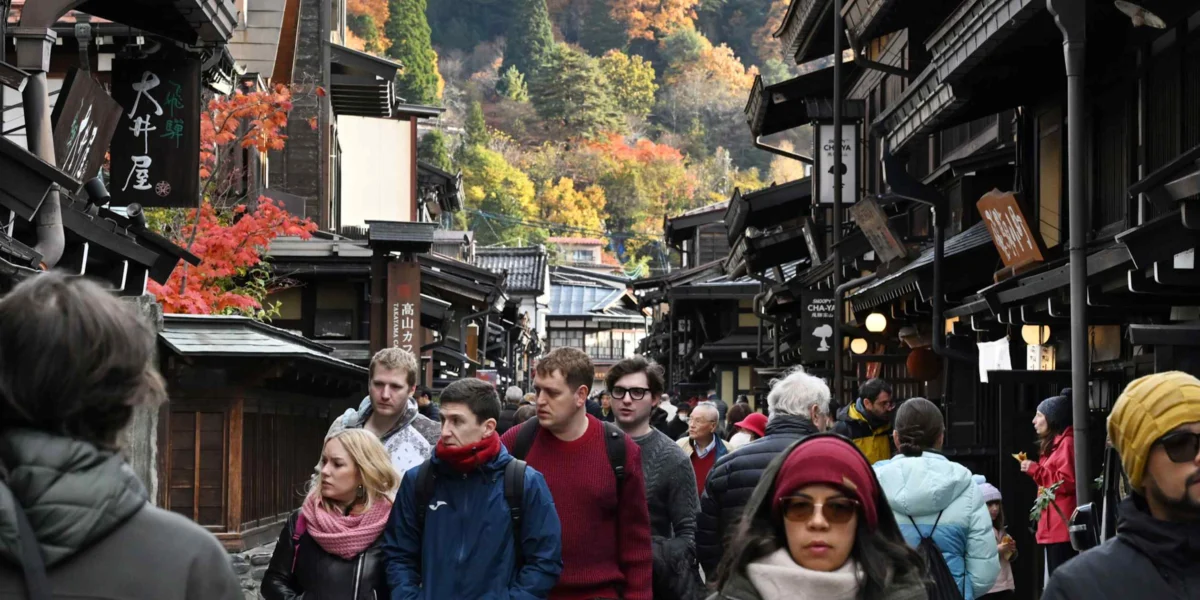
The transformation of Japan’s travel seasons is not merely a cyclical fluctuation but a fundamental adaptation to a changing global climate and evolving tourism dynamics. As the nation navigates these shifts, its ability to remain a premier global destination will depend on its agility in responding to these new realities, ensuring both economic prosperity and sustainable tourism practices for years to come. The image of tourists enjoying the crisp autumn air in a place like Takayama, as depicted in the accompanying photograph from November 2026, is increasingly becoming the new hallmark of Japan’s most sought-after travel experience.
