

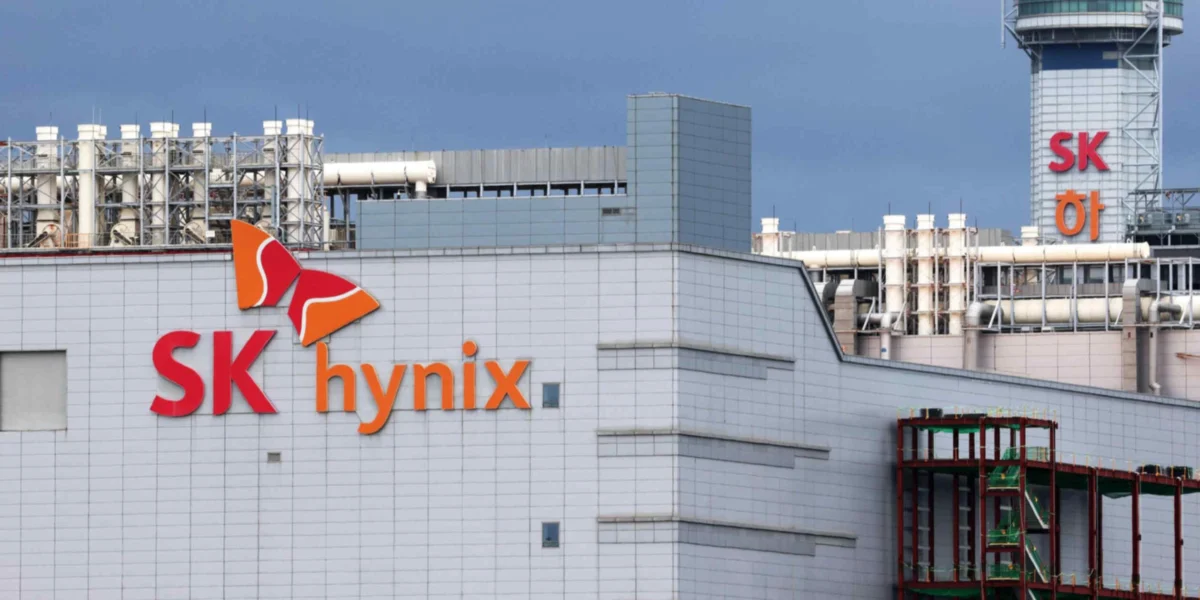
NORTHEAST JAPAN’S Miyagi prefecture is making a significant diplomatic and economic push to attract South Korean semiconductor giant SK Hynix to establish a state-of-the-art memory chip manufacturing facility within its borders. This ambitious proposal, however, faces a complex web of challenges, including intense lobbying from the United States, and internal hesitations within South Korea regarding the approval of new foreign-based facilities due to heightened concerns over technology leakage. The pursuit of such a strategic investment underscores the global race for semiconductor dominance and the intricate geopolitical considerations that now shape the industry.
The Stakes of Semiconductor Manufacturing
Memory chips, the foundational components of modern digital infrastructure, are critical for everything from smartphones and servers to artificial intelligence and advanced defense systems. South Korea, through companies like Samsung Electronics and SK Hynix, has long been a dominant force in this sector, particularly in dynamic random-access memory (DRAM) and NAND flash memory. The ability to manufacture these chips domestically, or in strategically aligned territories, has become a paramount national security and economic imperative for countries worldwide.
SK Hynix, consistently ranked among the top two global memory chip producers alongside Samsung, possesses advanced manufacturing capabilities and is at the forefront of developing next-generation memory technologies, including High Bandwidth Memory (HBM), which is crucial for AI applications. Any decision by SK Hynix to build a new fabrication plant, or "fab," represents a substantial injection of capital, job creation, and technological advancement for the host region.
Miyagi’s Overture and Strategic Rationale
Miyagi prefecture, located in the Tohoku region of northeast Japan, has been actively seeking to revitalize its economy and diversify its industrial base. The region has a history of manufacturing, particularly in the automotive sector, but has also been impacted by economic shifts and natural disasters, including the devastating 2011 earthquake and tsunami. Attracting a high-tech industry like semiconductor manufacturing would represent a significant economic boon, bringing high-skilled jobs, fostering a local ecosystem of suppliers and support industries, and elevating Japan’s position in the global chip supply chain.
The prefecture’s appeal to SK Hynix is likely multifaceted. Japan offers a stable political and economic environment, a skilled workforce, and a strong commitment to research and development. Furthermore, closer ties with South Korea, despite historical tensions, are increasingly being fostered in the face of shared geopolitical challenges, particularly from China. A Japanese facility for SK Hynix could be seen as a way to diversify the company’s manufacturing footprint outside of South Korea, potentially mitigating risks associated with regional instability or supply chain disruptions.
The Shadow of U.S. Lobbying
The United States, under its broader strategy to reshore critical manufacturing and secure its supply chains, has also been aggressively courting major chipmakers, including SK Hynix, to establish or expand operations within its borders. The CHIPS and Science Act of 2022, a landmark piece of legislation, provides substantial subsidies and incentives to companies that invest in U.S. semiconductor manufacturing, research, and development. This has led to significant investments by companies like TSMC, Intel, and Samsung in new fabs across the U.S.
SK Hynix has already announced significant investments in the United States, including a new HBM manufacturing facility in Indiana, set to begin production in late 2025. This U.S. expansion, coupled with ongoing efforts to secure American technological leadership, creates a competitive landscape where Miyagi’s bid must contend with substantial U.S. government backing and incentives. The U.S. interest is not merely economic; it is deeply intertwined with national security objectives, aiming to reduce reliance on East Asian production for a technology deemed vital to military and economic competitiveness.
Seoul’s Dilemma: Technology Leaks and National Interest
Compounding the international competition is a significant internal hurdle within South Korea itself. The South Korean government has historically been cautious about approving the establishment of new overseas manufacturing facilities by its leading technology firms, especially when those facilities are perceived to be located in countries that could potentially pose a risk to intellectual property and proprietary technologies.
Concerns over technology leakage are not abstract. Semiconductor manufacturing processes, particularly those for advanced memory chips, are the result of decades of research and development and represent billions of dollars in investment. The possibility of sensitive designs, manufacturing techniques, or trade secrets falling into the hands of competitors, or being compromised through espionage, is a serious threat. South Korea’s Ministry of Trade, Industry and Energy (MOTIE) has a vested interest in protecting the competitiveness of its national champions.
Historically, South Korea has favored investments that strengthen its domestic semiconductor ecosystem. While the government has supported overseas investments that align with national strategic interests, such as securing access to raw materials or diversifying markets, the approval process for new, large-scale fabrication plants in foreign territories can be protracted and subject to stringent review. The specific implications of a Miyagi facility, including its proximity to potential technological rivals and the strength of Japan’s intellectual property protection regimes, would be closely scrutinized.
A Timeline of Strategic Decisions
The current discussions surrounding SK Hynix’s potential Miyagi investment are not isolated events but are part of a broader, ongoing strategic realignment in the global semiconductor industry.
- Early 2020s: Increased geopolitical tensions and supply chain vulnerabilities highlighted by the COVID-19 pandemic accelerate global efforts to secure semiconductor production.
- 2022: The U.S. passes the CHIPS and Science Act, offering significant incentives for domestic semiconductor manufacturing. Japan also announces its own package of subsidies to support chip production within the country.
- Late 2023/Early 2024: SK Hynix, alongside other major players, announces significant investments in the United States, particularly for HBM production. Simultaneously, discussions and explorations begin regarding potential new manufacturing sites in other strategically important regions.
- Mid-2024: Reports emerge of Miyagi prefecture actively lobbying SK Hynix for a new fab. Simultaneously, SK Hynix is known to be evaluating various global options for future capacity expansion.
- Present (September 2026): The lobbying efforts are ongoing, with the prefecture actively pursuing the investment while facing the backdrop of U.S. competition and South Korean government considerations.
Data and Supporting Context
The global semiconductor market is projected to continue its robust growth, driven by demand for AI, 5G, automotive electronics, and the Internet of Things (IoT). According to industry analysis firms, the global semiconductor market size was valued at approximately $583.5 billion in 2023 and is expected to grow at a compound annual growth rate (CAGR) of 8.2% from 2024 to 2030. Memory chips constitute a significant portion of this market.
SK Hynix’s revenue in 2023, despite a cyclical downturn in the memory market, demonstrates its substantial market share. The company reported revenues of 42.98 trillion Korean won (approximately $31 billion USD) in 2023. Its investments in advanced technologies like HBM are critical for capturing market share in the burgeoning AI sector, where demand for high-performance memory is soaring. NVIDIA, a leader in AI chips, relies heavily on HBM from companies like SK Hynix.
Japan’s own semiconductor industry, while historically strong, has faced challenges in recent decades compared to South Korea and Taiwan. The Japanese government, recognizing this, has been investing heavily in initiatives to revive its domestic chip manufacturing capabilities, including attracting foreign investment and supporting local players like Rapidus, a joint venture aiming to produce next-generation logic chips. A SK Hynix fab would align with Japan’s broader ambition to re-establish itself as a major player in the global semiconductor supply chain.
Official Responses and Inferred Positions
While specific official statements from SK Hynix or the South Korean government regarding Miyagi’s overtures might not be publicly available at this stage, the general positions of these entities can be inferred based on past actions and stated policies.
- Miyagi Prefecture: Officials in Miyagi would likely express enthusiasm and commitment to supporting SK Hynix, emphasizing the region’s advantages, such as available land, infrastructure, skilled labor potential, and a supportive local government. They would highlight the economic benefits and the prefecture’s readiness to facilitate the investment.
- SK Hynix: The company’s stance would likely be one of careful consideration and strategic evaluation. They would acknowledge the interest from Miyagi while also weighing the opportunities and challenges presented by other locations, particularly the U.S. given its incentives and market access. Any decision would be driven by factors such as cost-effectiveness, technological synergy, supply chain optimization, and risk mitigation.
- South Korean Government (MOTIE): The government’s position would be characterized by a dual mandate: promoting the growth of its national champions and safeguarding national technological assets. They would likely engage in internal discussions and assessments to determine if a Miyagi facility would serve South Korea’s long-term strategic interests. This would involve assessing potential risks to intellectual property, the impact on domestic investment, and the geopolitical implications of such a move. Approval would likely be contingent on robust assurances regarding technology protection and alignment with South Korea’s broader industrial policy.
Broader Impact and Implications
The potential establishment of a SK Hynix plant in Miyagi would have significant ramifications:
- Geopolitical Realignment: It could signal a deepening of security and economic cooperation between Japan and South Korea, driven by shared concerns over regional stability and technological competition with China. This could contribute to a more robust East Asian semiconductor supply chain less reliant on single points of failure.
- Economic Boost for Miyagi and Japan: The investment would create thousands of jobs, stimulate local economies, and serve as a catalyst for further high-tech industrial development in the Tohoku region. It would also bolster Japan’s ambition to regain its prominence in the global semiconductor landscape.
- Diversification for SK Hynix: A facility in Japan would provide SK Hynix with a crucial manufacturing base outside of South Korea, diversifying its operational footprint and potentially hedging against geopolitical or natural disaster risks in its home country.
- Intensified Global Competition: This move would further intensify the global competition for semiconductor manufacturing dominance, pushing other regions and countries to enhance their own investment attraction strategies and technological development. The intricate dance between national security, economic growth, and technological sovereignty will continue to shape these critical industrial decisions.
The outcome of Miyagi’s bid for SK Hynix will be a key indicator of the evolving landscape of global semiconductor manufacturing, illustrating the complex interplay of economic ambition, national security imperatives, and intricate geopolitical maneuvering that defines the 21st-century technological race.
