

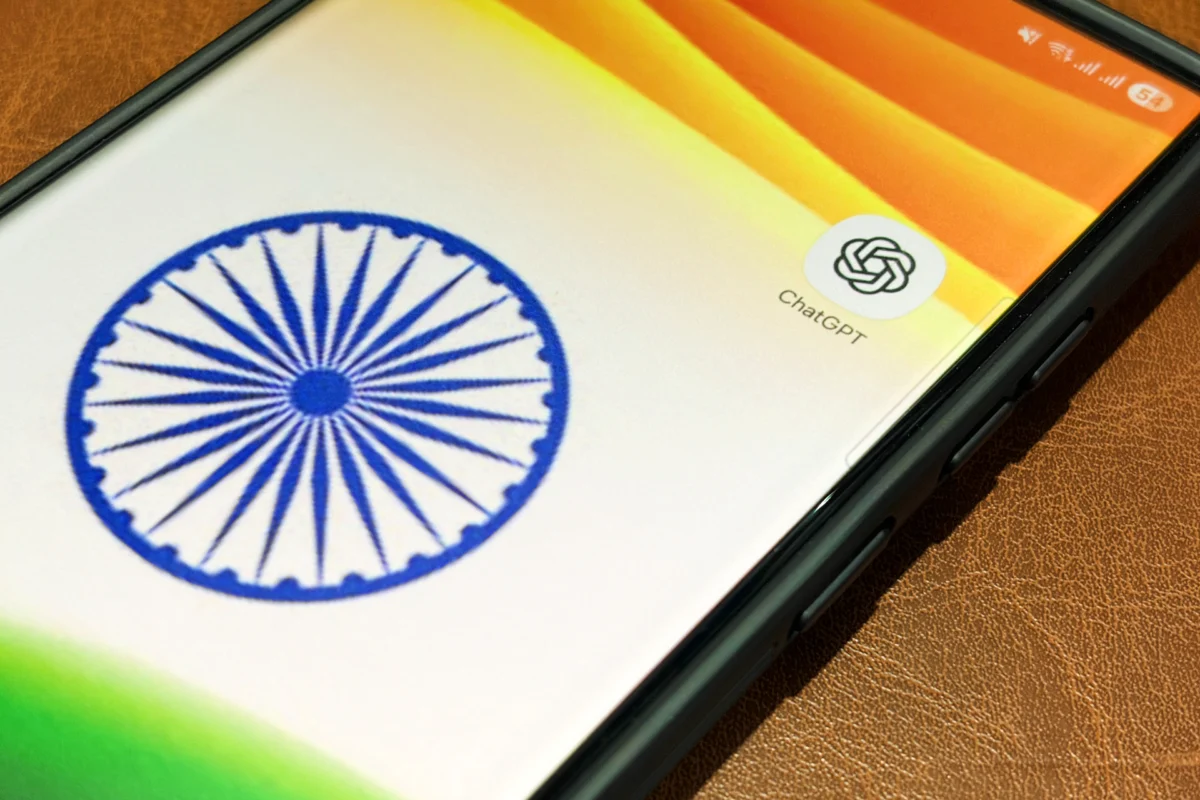
The rapidly evolving landscape of artificial intelligence is once again demonstrating its inevitable convergence with established digital monetization strategies, as OpenAI announced on Thursday its decision to introduce advertisements on its ChatGPT Free and Go subscription tiers in India. This strategic pivot follows a recent amendment to the company’s terms of service, which had discreetly indicated the impending integration of ads within the AI assistant’s user experience. The move underscores OpenAI’s aggressive drive to solidify its revenue streams ahead of a potential initial public offering (IPO), expected either this year or the next, and marks a significant shift in how users, particularly in high-growth markets, will interact with one of the world’s most prominent AI tools.
The Imperative for Monetization in the AI Era
The decision to introduce advertising, while potentially unpopular with some users, is a calculated business necessity for OpenAI. Developing and maintaining large language models (LLMs) like ChatGPT involves astronomical operational costs. These expenses stem from several key areas:
- Compute Power: Training and running inference for sophisticated AI models demand immense computational resources, often requiring thousands of high-performance graphics processing units (GPUs). The continuous innovation and expansion of these models further escalate these costs.
- Research and Development: OpenAI invests heavily in cutting-edge AI research, attracting top talent, and pushing the boundaries of what AI can achieve. This R&D pipeline is crucial for staying competitive but comes with a substantial price tag.
- Infrastructure: Maintaining the cloud infrastructure, data centers, and engineering teams required to support a global user base of over 100 million weekly active users is a continuous and costly endeavor.
Historically, OpenAI has operated on a hybrid model: offering free access to attract a massive user base and drive adoption, while simultaneously providing paid tiers (ChatGPT Plus, Pro, and enterprise solutions) for users seeking enhanced features, higher usage limits, and faster response times. The introduction of ads specifically targets the vast free and lower-priced Go user segments, aiming to convert engagement into direct revenue from a demographic less likely to upgrade to premium subscriptions. This dual-pronged approach is becoming a standard for many tech companies that offer sophisticated services with high underlying costs.
India: A Strategic Battleground for AI Adoption and Monetization
India represents an exceptionally critical market for OpenAI, serving as a cornerstone of its global expansion strategy. In February 2026, OpenAI revealed that it boasts more than 100 million weekly active ChatGPT users in India, a staggering figure that highlights the country’s rapid adoption of AI technologies. A significant proportion of these users are concentrated on the free or the more affordable Go tiers, making India an ideal proving ground for an ad-supported model designed to monetize this extensive non-paying user base.
OpenAI’s commitment to the Indian market has been evident through a series of dedicated initiatives:
- Localized Pricing: In August 2025, the company launched a sub-$5 ChatGPT Go plan tailored specifically for the Indian market, acknowledging the region’s unique economic considerations and aiming to lower the barrier to entry for paid features.
- Aggressive Promotions: Further underscoring its intent to capture market share, OpenAI ran a limited promotional offer in October 2025, providing the Go tier free for a full year to all users in India. Such aggressive pricing and promotional strategies are indicative of a long-term play for dominance.
- High-Profile Marketing Campaigns: The company significantly ramped up its brand presence by heavily advertising its products during major national sporting events, including the Women’s Premier League (WPL) and the immensely popular Indian Premier League (IPL) cricket leagues. These campaigns strategically tap into India’s cultural pulse, reaching millions of potential users.
- Executive Leadership: Recognizing the strategic importance of the market, OpenAI made a pivotal leadership hire in June 2026, poaching Uber India’s former chief to spearhead its expansion efforts in the country. This move signals a serious, long-term commitment to navigating India’s complex yet lucrative digital landscape.
The choice to roll out ads in India, following earlier deployments in the U.S. and Europe, is not coincidental. India’s burgeoning digital advertising market, fueled by increasing internet penetration, smartphone adoption, and a young, tech-savvy population, presents an attractive opportunity. The country’s digital ad spend is projected to grow significantly in the coming years, making it a prime target for companies seeking to diversify and amplify their revenue streams.
The Mechanics of ChatGPT Ads: A New Frontier for Contextual Advertising
OpenAI’s ad integration will commence with a pilot phase, featuring advertisements from 50 prominent brands. To facilitate this rollout and ensure broad advertiser participation, OpenAI has forged partnerships with two of the world’s largest advertising agencies, WPP and Omnicom. These collaborations are crucial, as they provide OpenAI with immediate access to a vast network of brands and advertising expertise, streamlining the process of onboarding advertisers and optimizing campaign performance.
Next month, OpenAI plans to launch a dedicated ad manager platform, empowering marketers to create and manage their campaigns directly. This self-serve platform will cater to businesses of various sizes, with a minimum daily budget requirement of ₹725 (approximately $7.60). This relatively low entry threshold suggests an ambition to attract not only large corporations but also small and medium-sized enterprises (SMBs) that seek to reach a highly engaged audience.
Dave Dugan, Head of Global Ads Solutions at OpenAI, articulated the company’s vision for this new advertising channel in a statement: "With ChatGPT Ads, businesses of every size can introduce themselves at relevant, high-context moments when decisions are beginning to take shape." This emphasis on "high-context moments" is particularly insightful. Unlike traditional banner ads or pre-roll videos, ads within a conversational AI interface have the potential to be hyper-relevant, appearing precisely when a user is discussing a related topic or seeking information that an advertised product or service could address. For instance, if a user is planning a trip, ads for travel agencies, hotels, or flight booking services could be contextually integrated into the conversation, offering a novel form of targeted advertising.
The implementation of these ads raises questions about their format and placement. While specifics were not detailed, it is likely that initial ad formats will be text-based, seamlessly integrated within chat responses or appearing as subtle suggestions. As the platform matures, richer media formats could be explored. The success of this model will heavily depend on OpenAI’s ability to maintain a delicate balance between ad relevance and user experience, ensuring that advertisements enhance rather than detract from the utility of the AI assistant.
Global Rollout and Chronology
The introduction of ads in India is part of a broader, phased global rollout strategy. OpenAI first began showing ads to users in the United States in February 2026, testing the waters and gathering crucial data on user reception and ad performance. Building on these initial insights, the program was subsequently expanded to serve ads across Europe earlier this month, demonstrating a systematic approach to monetization across its key markets. India’s inclusion marks a significant milestone, solidifying the company’s commitment to leveraging its immense global user base for revenue generation.
OpenAI’s Financial Trajectory and the Road to IPO
The aggressive pursuit of diversified revenue streams, particularly through advertising, is intrinsically linked to OpenAI’s ambitious financial targets and its preparations for a highly anticipated IPO. The company, which has commanded stratospheric valuations in private funding rounds, is under increasing pressure to demonstrate a clear path to sustained profitability.
According to reports from The Wall Street Journal, OpenAI recorded an annualized revenue run rate of $6.7 billion in April and May 2026, a notable increase from $5.7 billion at the end of the previous year. While these figures indicate robust growth, the underlying cost structure of AI development means that revenue generation must be equally aggressive to achieve profitability and satisfy investor expectations. The ad revenue generated from millions of free and Go tier users will supplement the existing income from premium subscriptions and API usage, providing a crucial additional layer of financial stability.
Further underscoring its long-term financial ambitions, The Information reported in November 2023 that OpenAI was aiming to achieve an impressive 220 million paying subscribers by 2030. At that time, approximately 35 million users were subscribed to its Plus and Pro plans. While this target reflects a strong belief in the subscription model, the integration of ads acknowledges that not all users will convert to paid plans. Ad revenue thus serves as a vital mechanism to monetize the vast majority of users who prefer free access, transforming them from passive consumers of AI services into active contributors to the company’s financial health. This strategy is reminiscent of many internet giants like Google and Meta, which leverage vast free user bases to power highly profitable advertising ecosystems.
Broader Implications for the AI Industry and User Experience
OpenAI’s move to integrate ads into ChatGPT carries significant implications, not just for the company itself, but for the broader artificial intelligence industry and the evolving relationship between users and AI tools.
Impact on User Experience: For the millions of free and Go tier users, particularly in India, the introduction of ads will inevitably alter their interaction with ChatGPT. The key challenge for OpenAI will be to implement ads in a manner that is unobtrusive and genuinely relevant, avoiding the pitfalls of overly aggressive or irrelevant advertising that could lead to user frustration and churn. The promise of "high-context moments" suggests a sophisticated approach to ad placement, but its execution will be closely watched. User sentiment, particularly regarding data privacy and the potential for targeted advertising based on chat content, will be a critical factor in the long-term success of this strategy.
Trendsetter for AI Monetization: OpenAI’s pioneering role in generative AI means that its monetization strategies often set precedents for the rest of the industry. It is highly probable that competitors like Google (with Gemini), Anthropic (with Claude), and Meta (with its Llama-based assistants) will closely observe the outcome of ChatGPT’s ad integration. If successful, this could usher in an era where ad-supported models become the standard for free AI services, fundamentally reshaping the business models of leading AI companies. This could lead to a proliferation of AI-driven contextual advertising across various digital interfaces.
Evolution of Digital Advertising: The integration of ads within conversational AI platforms represents a novel frontier for digital advertising. It moves beyond traditional web pages and social media feeds, offering advertisers a unique opportunity to engage users at moments of active inquiry and decision-making. This could lead to the development of new ad formats, targeting methodologies, and performance metrics, pushing the boundaries of what is possible in programmatic advertising.
Ethical Considerations: The ethical implications of AI-driven advertising, particularly concerning data privacy and potential algorithmic bias, will also come under increased scrutiny. OpenAI will need to be transparent about its data usage policies for advertising purposes and ensure that its ad algorithms are fair and do not perpetuate harmful biases. Regulators globally are already grappling with these issues in the context of general AI development, and ad integration will add another layer of complexity.
In conclusion, OpenAI’s decision to introduce advertisements on ChatGPT’s free and Go tiers in India is a multi-faceted strategic maneuver. It reflects the immense financial pressures inherent in leading the generative AI revolution, the critical importance of high-growth markets like India, and a calculated effort to diversify revenue streams ahead of a pivotal IPO. While the success of this initiative hinges on a delicate balance between monetization and user experience, it undeniably marks a significant chapter in the ongoing evolution of AI and its integration into the fabric of daily digital life. As the AI industry matures, the intersection of technological innovation with sustainable business models will continue to define its trajectory, with advertising poised to play an increasingly central role.
