

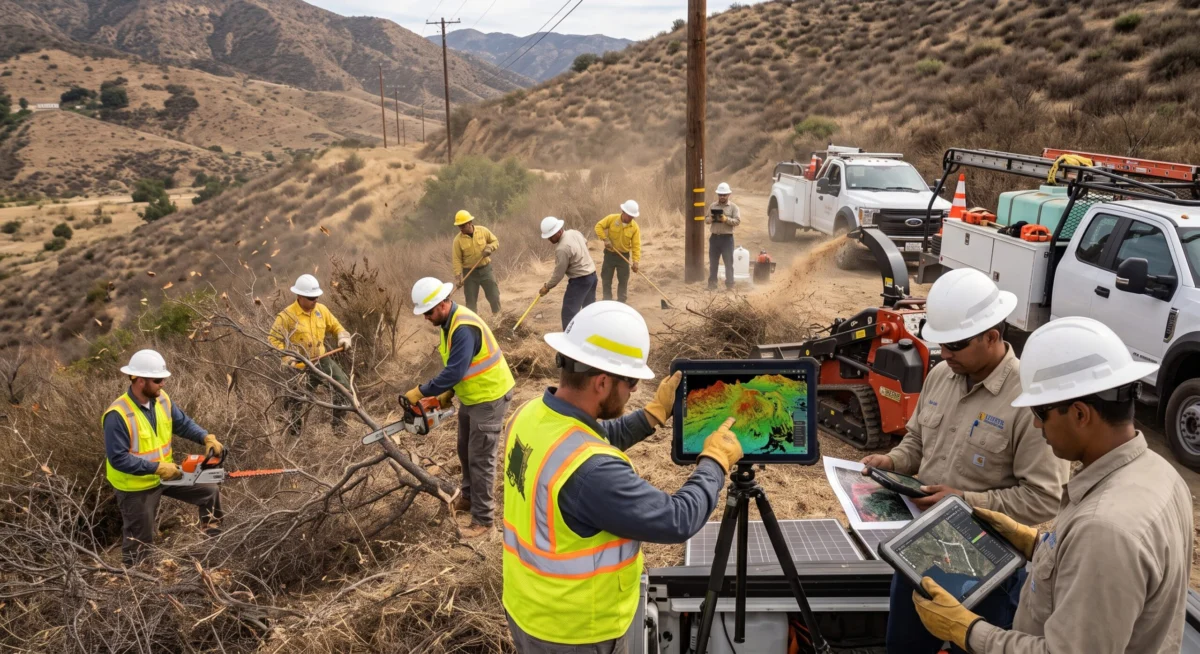
The energy landscape is currently undergoing a fundamental transformation, driven by a shift in how utility companies define and implement reliability and resiliency. As technological advancements and grid demands evolve, customer expectations have reached a critical juncture, moving beyond the simple requirement of "keeping the lights on" to demanding a grid that is robust enough to withstand increasingly volatile environmental conditions. This evolution has necessitated a comprehensive overhaul of traditional utility resilience strategies, moving away from reactive, siloed responses toward a unified, proactive operating model.
Mona Fazel, Director of Operational Excellence at Danovo Energy Solutions, has emerged as a leading voice in this transition. With over two decades of experience spearheading complex enterprise programs across the energy, utility, and oil and gas sectors, Fazel argues that the industry’s understanding of reliability must expand to meet the realities of the 21st century. Unlike standard reliability metrics such as the System Average Interruption Duration Index (SAIDI) and the System Average Interruption Frequency Index (SAIFI), which provide quantitative historical data on outages, resiliency lacks a single, standardized measurement. This ambiguity has historically made it difficult for utilities to benchmark progress, but the escalating frequency of extreme weather events is forcing a consensus on the need for a more integrated approach.
The New Definition of Grid Reliability
According to Fazel, modern reliability is defined as the ability to deliver dependable outcomes even when operating conditions are no longer predictable. While the core mission remains the delivery of electricity, the methodology must now include the ability to anticipate risk, make rapid decisions, adapt across organizational boundaries, and recover from disruptions without allowing them to cascade across the system. This shift is particularly vital as field teams across North America grapple with elevated wildfire risks and unprecedented weather patterns.
The traditional utility model often separates departments—such as vegetation management, grid operations, and emergency response—into distinct silos. However, the interconnected nature of modern threats means that a failure in one area can rapidly exacerbate problems in another. For instance, a failure in vegetation management during a high-wind event can lead to a line failure, which in a drought-stricken area can ignite a wildfire, subsequently requiring a massive emergency response and causing long-term regulatory and financial damage.
The Convergence of Compounding Risks
The urgency of this operational shift is underscored by a convergence of several high-impact factors. Utilities are no longer operating in a world where historical weather patterns or past load assumptions serve as reliable guides for future planning. Several key drivers are currently reshaping the risk profile of the North American power grid:

- Extreme Weather and Climate Volatility: According to the National Oceanic and Atmospheric Administration (NOAA), the United States has seen a significant increase in "billion-dollar disasters." In 2023 alone, there were 28 such events, many of which involved wildfires and severe convective storms that directly impacted utility infrastructure.
- Aging Infrastructure: A large portion of the U.S. power grid was constructed in the 1960s and 1970s. With an average life expectancy of 50 years, many transformers and transmission lines are operating beyond their intended lifespan, making them more susceptible to failure under stress.
- Electrification and Load Growth: The push for electric vehicles (EVs) and the decarbonization of heating systems are significantly increasing the load on the grid. This higher demand reduces the "margin for error" during peak times or emergency events.
- Distributed Energy Resources (DERs): The proliferation of rooftop solar and home battery storage adds complexity to grid management. While these tools can aid resilience, they require sophisticated integration to ensure they do not complicate restoration efforts during a crisis.
A Chronology of Utility Wildfire Management
To understand the current state of wildfire management, it is necessary to look at the timeline of how the industry has responded to these threats over the last decade:
- Pre-2017: Traditional Maintenance Era. Most utilities focused on routine vegetation management and standard infrastructure inspections. Wildfire risk was often viewed as a seasonal concern handled by local fire agencies rather than a core operational risk for the utility.
- 2017–2018: The Catalyst Years. Devastating fires in California, including the Tubbs Fire and the Camp Fire, highlighted the catastrophic financial and legal liabilities utilities face. These events led to the bankruptcy of major entities and a realization that traditional "business as usual" was no longer sustainable.
- 2019–2022: The Reactive Integration Era. Utilities began implementing Public Safety Power Shutoffs (PSPS) and investing heavily in sectionalizing equipment and weather stations. However, many of these initiatives remained "cross-functional committees" rather than permanent organizational structures.
- 2023–Present: The Centralized Governance Era. Following events like the Maui wildfires, there is a burgeoning industry-wide movement toward creating dedicated Wildfire Management Organizations (WMOs) within the utility structure. This era is defined by centralized accountability and the integration of AI-driven predictive modeling.
The Centralized Wildfire Management Model
At the upcoming DTECH Reliability & Resiliency event, Mona Fazel will present a session titled "Designing an Integrated, Centralized Wildfire Management Organization: Governance, Delivery, and Continuous Improvement." Her framework addresses the primary hurdle facing utilities today: the gap between high-level strategy and field-level execution.
The proposed model moves beyond temporary committees toward an integrated, centralized Wildfire Management Organization. This structure is built on three pillars:
1. Explicit Governance and Decision Rights
In many utilities, when a wildfire risk is identified, it is unclear who has the final authority to authorize a power shutoff or reallocate resources from a different department. A centralized WMO establishes clear decision rights, ensuring that accountability is not diluted across various vice presidents or directors.
2. Rigorous Performance Oversight
By centralizing data, utilities can track the efficacy of their mitigation efforts in real-time. This includes monitoring the completion rates of "enhanced" vegetation management (trimming beyond the standard regulatory requirements) and the installation of "covered conductors" (insulated power lines) in high-threat districts.
3. Continuous Improvement and Adaptation
The model incorporates a feedback loop where post-event analysis is used to update risk models immediately. If a specific type of equipment fails under unexpected conditions, that data is fed back into the procurement and maintenance schedules for the entire organization, not just the affected district.

Supporting Data: The Cost of Inaction
The financial implications of grid-related wildfires provide a stark justification for the investment in centralized management. According to industry reports, the potential liabilities for utility-ignited wildfires in the Western United States alone have reached tens of billions of dollars. Insurance premiums for utilities have also skyrocketed, with some firms seeing a 300% to 500% increase in costs over the last five years, or finding it impossible to secure coverage for wildfire risks altogether.
Furthermore, data from the National Fire Protection Association (NFPA) indicates that while power lines are responsible for a small percentage of total wildfire ignitions, those fires tend to be among the most destructive because they often occur during high-wind events when fire spread is most rapid. Centralizing management allows utilities to prioritize "hardening" the specific segments of the grid that pose the highest risk of catastrophic failure.
Broader Implications and Official Responses
Regulatory bodies are also shifting their expectations. Public Utility Commissions (PUCs) across the country are increasingly requiring utilities to submit detailed Wildfire Mitigation Plans (WMPs) as a condition of rate cases. These regulators are looking for evidence of "operational excellence"—a term Fazel champions—which suggests that a utility is not just spending money, but is doing so in a way that measurably reduces risk.
While the immediate focus of this centralized model is wildfire mitigation, its principles are readily adaptable to other disaster-management scenarios. Whether a utility is facing a hurricane on the Gulf Coast, an ice storm in the Northeast, or a cyberattack on its control systems, the need for a unified operating model remains the same. The ability to break down departmental silos and operate as a single, cohesive unit is becoming the hallmark of a resilient modern utility.
Conclusion: Preparing for an Unpredictable Future
The transition to a centralized wildfire management organization represents more than just a change in the organizational chart; it is a cultural shift within the utility industry. It requires moving from a mindset of "compliance-based" operations to "risk-based" operations.
As Mona Fazel will detail at DTECH Reliability & Resiliency, the convergence of climate risk, aging infrastructure, and increased public scrutiny means that utilities can no longer rely on the strategies of the past. By adopting a practical framework for governance and continuous improvement, utility leaders can ensure they are prepared to provide reliable power in an increasingly unpredictable world. The session will provide attendees with a roadmap for navigating this paradigm shift, offering insights that are applicable far beyond the wildfire season and into the very core of future grid stability.
