

The summer of 2026 has emerged as a pivotal turning point for European energy infrastructure, as extreme meteorological conditions tested the resilience of the continent’s transitioning power grid. According to a comprehensive new report by the energy think tank Ember, record-breaking solar energy production played a decisive role in preventing widespread blackouts during a period of unprecedented thermal stress. The analysis, which focuses on four key European markets—France, Spain, Italy, and Hungary—details how the surge in photovoltaic output mitigated the failures of traditional baseload power sources, even as it highlighted critical vulnerabilities in evening supply chains and energy storage capacity.
As heatwaves intensified across Southern and Central Europe during June and July 2026, the demand for electricity surged to historic levels. The primary driver of this spike was the near-universal reliance on air conditioning and industrial cooling systems as temperatures soared well above seasonal averages. However, the same heat that drove demand also crippled the two largest sources of low-carbon electricity: hydropower and nuclear energy. With rivers drying and water temperatures rising beyond safety thresholds for reactor cooling, the European grid found itself in a precarious balance that was ultimately sustained by the continent’s rapidly expanding solar fleet.
Meteorological Extremes and the Surge in Power Demand
The heatwaves of 2026 began to take hold in late June, following a spring that was already characterized by below-average precipitation. By the time the peak of the heat arrived, atmospheric conditions created a "heat dome" effect over much of the Mediterranean and the Danube Basin. The Ember report quantifies the resulting impact on power demand with striking clarity. When compared to the week of June 13–19, 2026—a period when temperatures remained within normal seasonal bounds—the subsequent heatwave triggered double-digit increases in electricity consumption across the analyzed nations.
Italy experienced the most significant surge, with daily power demand climbing by as much as 28%. This was followed closely by Hungary, which saw a 23% increase in consumption. France and Spain, while slightly more resilient due to different building standards and climate adaptation measures, still recorded demand increases of 14% and 13%, respectively. The report notes that these spikes were not merely gradual increases but sharp, sustained surges that placed immense pressure on transmission system operators (TSOs) to maintain frequency stability.
The timing of this demand was particularly challenging. In previous decades, summer peaks were often manageable, but the increasing electrification of cooling and the sheer intensity of the 2026 heat meant that the "base" load of the summer had effectively shifted. The grid was no longer just managing midday peaks; it was struggling with a high-floor demand that persisted well into the night as urban heat islands prevented cities from cooling down after sunset.
The Decline of Hydropower and Nuclear Reliability
While solar power thrived under the clear skies of the 2026 heatwaves, the drought conditions that accompanied the high temperatures proved catastrophic for other generation sectors. Hydropower production across Europe reached its lowest level in at least a decade during the May-July period. In countries like Spain and Italy, where hydroelectric reservoirs serve as a critical form of flexible generation, the lack of snowmelt and rainfall left many turbines idle or operating at a fraction of their nameplate capacity.
The nuclear sector faced a different but equally daunting challenge: the thermal limits of cooling water. Nuclear power stations require vast amounts of water to cool their condensers, typically drawing from nearby rivers. When river levels drop and water temperatures rise, the discharge of even hotter water back into the ecosystem can violate environmental regulations or, in extreme cases, make the cooling process physically impossible.
In Hungary and Romania, the Danube River reached record-low levels, which directly threatened the operational continuity of their primary nuclear assets. The Paks nuclear power station in Hungary and the Cernavodă plant in Romania—which typically provide 40% and 15% of their respective nations’ electricity—were forced to curtail output significantly. The Ember report warns that if water levels do not recover, complete shutdowns of these facilities may be necessary to prevent equipment damage and ecological collapse. This loss of "reliable" baseload power during a period of peak demand created a supply scarcity that would have been unmanageable without the intervention of renewable sources.
Solar Energy as the Grid’s Primary Defense
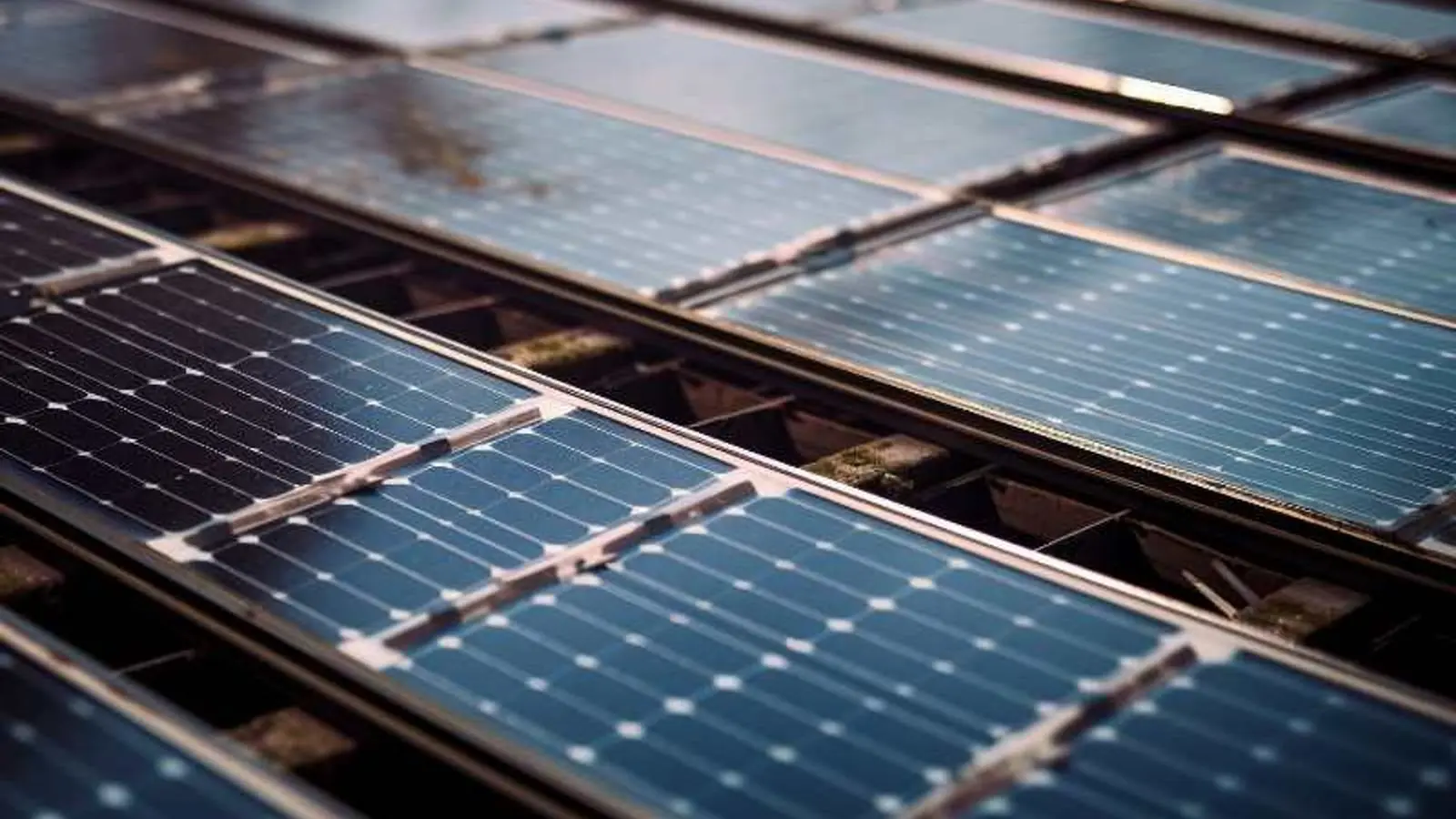
The saving grace for the European grid during the daylight hours of the 2026 heatwaves was the record-breaking performance of solar photovoltaics. Ember’s data reveals that solar production was up to 17% higher on heatwave days compared to the average days in June and July. This increase was driven by two factors: the lack of cloud cover associated with high-pressure heat systems and the massive year-over-year increase in installed solar capacity across the European Union.
During the hottest hours of the day—typically between 12:00 PM and 4:00 PM—solar generation aligned almost perfectly with the peak demand for air conditioning. In Spain and Italy, solar output frequently covered the entirety of the incremental demand caused by the heatwave. This "solar shield" prevented the need for the immediate dispatch of expensive and carbon-intensive gas-fired peaker plants during the day, which in turn helped to keep wholesale electricity prices relatively stable during sunlight hours.

Dr. Chris Rosslowe, a senior energy analyst at Ember, emphasized that solar power has moved beyond being a peripheral contributor to becoming a fundamental pillar of grid stability. "Solar is already doing heavy lifting during heatwaves," Rosslowe stated. "The data from 2026 proves that without the aggressive expansion of solar capacity we’ve seen over the last few years, the European grid would have faced a catastrophic shortfall during the peak cooling hours."
The Post-Sunset Crisis: Evening Price Spikes and Supply Scarcity
Despite the success of solar energy during the day, the Ember report highlights a glaring vulnerability: the "flexibility gap" that occurs once the sun sets. While temperatures remained high into the evening, solar production naturally tapered off, leaving the grid exposed to a sudden drop in supply just as cooling demand remained elevated.
This mismatch resulted in dramatic volatility in the energy markets. In several European markets, early evening peak prices reached their highest levels since the 2022 global gas crisis. The scarcity of supply during these hours forced grid operators to rely heavily on expensive thermal generation, primarily natural gas, which drove up costs for consumers and increased the carbon intensity of the grid.
The report identifies this period—roughly between 7:00 PM and 10:00 PM—as the most critical point of failure for the current system. Because hydropower and nuclear were already constrained by the drought, there were few low-carbon options available to replace the departing solar energy. This lack of flexibility meant that the economic benefits of cheap solar power during the day were partially offset by the extreme costs of thermal power in the evening.
The Path to Resilience: Battery Storage and Flexibility
The primary recommendation stemming from the Ember report is an urgent and massive acceleration in the deployment of "flexibility" solutions, with battery energy storage systems (BESS) at the forefront. The analysis suggests that the technology to solve the evening supply gap already exists but has not yet been scaled to the levels required by the current climate reality.
"The real challenge starts after sundown," Dr. Rosslowe noted. "As solar performs during heatwaves while other power sources struggle, storage can carry cheap electricity into the evening, when cooling demand is still high and the grid is most exposed to expensive thermal power."
Ember argues that additional storage capacity would allow grid operators to "shift" the excess solar energy generated during the midday peak into the evening hours. This would not only stabilize prices but also reduce the reliance on gas-fired plants, further decarbonizing the grid. Beyond batteries, the report points to two other critical pillars of flexibility:
- Demand Response: Implementing smarter grid technologies that allow industrial and residential consumers to automatically shift their consumption (such as running appliances or industrial processes) to times of high solar output.
- Interconnectors: Strengthening the high-voltage links between European countries to allow regions with excess wind or solar energy to export power to those experiencing localized heat-driven shortages.
Broader Implications for Energy Policy
The findings of the Ember report serve as a stark reminder that climate change is not only an environmental crisis but a fundamental threat to energy security. The "2026 Summer Crisis" demonstrates that traditional assumptions about the reliability of nuclear and hydropower are being challenged by the increasing frequency and severity of droughts and heatwaves.
For policymakers, the implications are clear. The transition to renewable energy must be accompanied by an equally aggressive transition to a flexible, storage-heavy grid. The current model of relying on "baseload" thermal power is becoming increasingly fragile in the face of water scarcity and thermal pollution limits.
The report concludes that while solar energy effectively "saved" the grid during the daylight hours of 2026, the experience must serve as a wake-up call. To withstand the hotter summers of the future, Europe must evolve its infrastructure to ensure that the abundance of the sun can be harvested, stored, and utilized long after the day is done. The success of the energy transition will ultimately be measured not just by how much solar is installed, but by how well that energy is managed during the most demanding hours of the year.
