

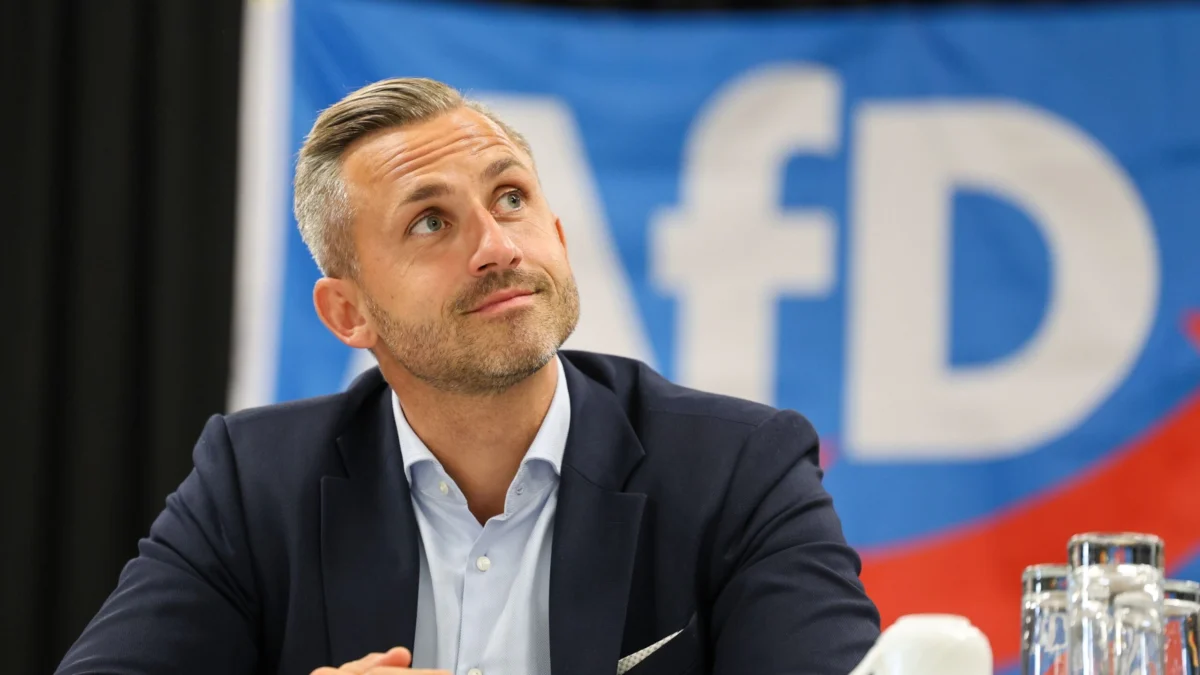
The Alternative for Germany (AfD) party’s stated ambition to govern in Saxony-Anhalt is facing scrutiny as its economic policy proposals remain vague, and its top candidate, Ulrich Siegmund, failed to attend a crucial business forum, leading to widespread disappointment among economic representatives. The absence of Siegmund, and subsequently his intended replacement, at an event designed to foster dialogue between political parties and the business community has amplified existing concerns about the AfD’s readiness and concrete plans for key economic issues within the state.
Background: A Crucial Election and Economic Reassurance
The state of Saxony-Anhalt is a key battleground in upcoming regional elections, with the AfD demonstrating significant polling strength. For the business community, particularly the influential Chambers of Industry and Commerce (IHK), this period is critical for understanding how potential governing parties intend to address pressing economic challenges. These include navigating the complexities of the energy transition, supporting small and medium-sized enterprises (SMEs), fostering innovation, and addressing labor shortages. The forum, organized by the IHK Halle-Dessau, was intended to provide a platform for such discussions, allowing business leaders to directly question political representatives on their economic platforms.
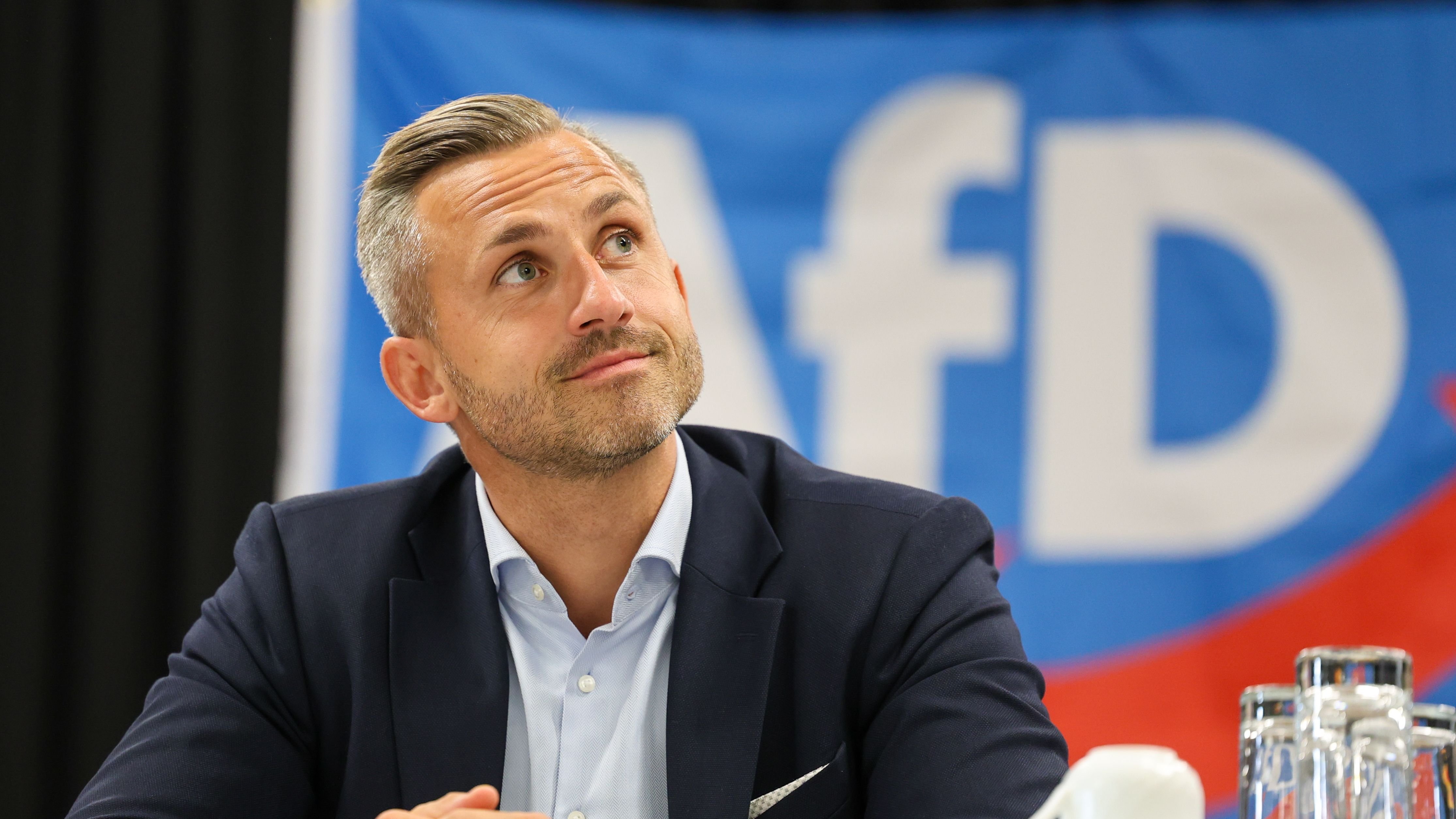
The IHK Halle-Dessau, representing a significant portion of the region’s economic activity, had extended invitations to all major parties contesting the election. The aim was to facilitate a transparent exchange of ideas and to hold politicians accountable for their proposed economic strategies. The participation of leading candidates is seen as a vital indicator of a party’s commitment to engaging with the economic realities faced by businesses in the state.
The Disappointing Absence: A Missed Opportunity
The absence of Ulrich Siegmund, the AfD’s leading candidate, from the IHK forum was met with considerable disappointment. Thomas Brockmeier, the Chief Executive Officer of the IHK Halle-Dessau, did not mince words in expressing his frustration at the outset of the event. His remarks highlighted not only Siegmund’s no-show but also the failure of an initially announced substitute to appear, further compounding the perception of a lack of serious engagement from the AfD on economic matters.
"We consider the absence of the leading candidate, and subsequently his designated representative, to be a significant missed opportunity for dialogue and a clear signal of a lack of concrete engagement with the economic concerns of our businesses," Brockmeier stated, as reported by Handelsblatt. He emphasized that the forum was specifically designed to allow for in-depth discussions on issues vital to the region’s economic future, including digitalization, skilled labor, and sustainable business practices.

The timing of this absence is particularly noteworthy. As the election approaches, parties are expected to present robust and detailed policy proposals. For a party aiming to govern, demonstrating a clear understanding of economic challenges and presenting viable solutions should be a top priority. The AfD’s failure to send its top representative to a prominent economic forum suggests a potential weakness in its economic policy articulation or a strategic decision to avoid detailed scrutiny of its proposals.
Broader Implications for Economic Policy and Business Confidence
The perceived vagueness of the AfD’s economic platform has been a recurring theme. While the party often articulates broad goals such as reducing bureaucracy and supporting national businesses, specific, actionable plans for sectors like manufacturing, renewable energy, or research and development have often been lacking. This lack of detail can erode business confidence, making it difficult for companies to plan long-term investments or to understand the potential impact of an AfD-led government on their operations.
The energy transition, for instance, is a complex undertaking that requires clear policy frameworks, investment incentives, and a well-defined roadmap. Businesses in Saxony-Anhalt, like elsewhere in Germany, are grappling with the costs and challenges associated with shifting towards renewable energy sources while maintaining energy security and affordability. A party seeking to lead the state would be expected to offer detailed strategies for navigating this transition, including support for businesses in adapting to new energy landscapes.
Furthermore, addressing the shortage of skilled labor is a critical issue for many businesses in the region. This requires comprehensive strategies that encompass education, vocational training, and potentially immigration policies. The business community looks to political parties for concrete proposals that can alleviate these pressures and ensure a sustainable workforce for the future.
Reactions and Expert Analysis
The business community’s disappointment has been palpable. While specific statements from individual business leaders have not been extensively detailed in the initial reports, the sentiment expressed by the IHK Halle-Dessau CEO is likely representative of a broader concern. Industry associations and chambers of commerce often serve as a crucial intermediary between businesses and government, and their feedback carries significant weight.
Economic analysts have noted that while the AfD has gained traction by tapping into public dissatisfaction with current policies, their ability to translate electoral success into effective governance, particularly in complex economic areas, remains to be seen. The absence at the IHK forum could be interpreted as a symptom of this broader challenge – a difficulty in moving beyond populist rhetoric to the detailed policy work required for governing.

"Parties aspiring to govern must demonstrate a clear understanding of economic fundamentals and present credible plans to address them," commented a political scientist specializing in regional politics, who preferred to remain anonymous. "An event like this is a prime opportunity to showcase that understanding. The AfD’s absence, especially without a compelling explanation, raises questions about their preparedness to manage a state’s economy."
A Timeline of Engagement (or Lack Thereof)
The IHK Halle-Dessau has a history of engaging with political parties to foster economic dialogue. Typically, these forums are scheduled in the lead-up to elections, allowing for a timely exchange of information and policy positions. The IHK’s efforts to convene such a meeting with the AfD’s leadership underscore the importance it places on inclusive political discourse.
The initial invitation extended to Ulrich Siegmund and the subsequent confirmation of his participation, followed by his eventual cancellation, points to a possible internal deliberation or a strategic shift within the AfD campaign. The failure to provide a suitable replacement also suggests a potential lack of readily available spokespersons for economic matters within the party’s campaign leadership.

This incident, occurring on August 20, 2026, places the AfD’s economic platform under a microscope as the election cycle intensifies. The narrative that emerges from such events can significantly influence voter perception, particularly among those whose livelihoods are directly tied to the economic health of Saxony-Anhalt.
Data and Context: Economic Landscape of Saxony-Anhalt
Saxony-Anhalt, located in eastern Germany, has a diverse economic base. Key industries include chemical manufacturing, automotive supply, food processing, and agriculture. The state has been actively working to attract investment and to foster innovation, particularly in areas like biotechnology and renewable energy. However, it also faces challenges common to many eastern German states, including demographic shifts and a need to modernize its industrial infrastructure.
According to recent economic data, unemployment rates in Saxony-Anhalt have been declining, reflecting a generally positive economic trend. However, the transition to a greener economy and the impact of global economic uncertainties pose significant challenges. Businesses are keenly aware of the need for stable and forward-looking economic policies that can support their competitiveness in this evolving landscape.

The AfD’s appeal in the region has often been linked to a broader sense of dissatisfaction with federal policies and a desire for a stronger national identity. However, when it comes to specific economic governance, the party faces the challenge of convincing established economic actors that its approach will foster stability and growth, rather than creating uncertainty.
Looking Ahead: The Path Forward for Economic Dialogue
The incident at the IHK forum serves as a stark reminder of the importance of transparency and concrete policy proposals in the political arena, especially concerning economic matters. For the AfD, the challenge now is to demonstrate a greater commitment to engaging with the business community and to articulate clear, well-defined economic strategies that can build confidence.
For the business community, the focus will remain on demanding accountability and clarity from all political parties. The active participation of economic stakeholders in political discourse is crucial for ensuring that policies are grounded in practical realities and contribute to sustainable economic development. The absence of a key political figure from such a dialogue, while regrettable, also highlights the ongoing need for robust platforms where economic concerns can be openly addressed and debated.
The coming months will likely see increased pressure on all parties, including the AfD, to present detailed economic manifestos. The events surrounding the IHK forum have undoubtedly amplified this scrutiny, setting a precedent for how the party’s economic leadership will be evaluated as the election draws nearer. The ability of the AfD to address these concerns and to provide concrete answers will be a critical factor in shaping its electoral prospects and, more importantly, in determining its potential role in governing Saxony-Anhalt.
