

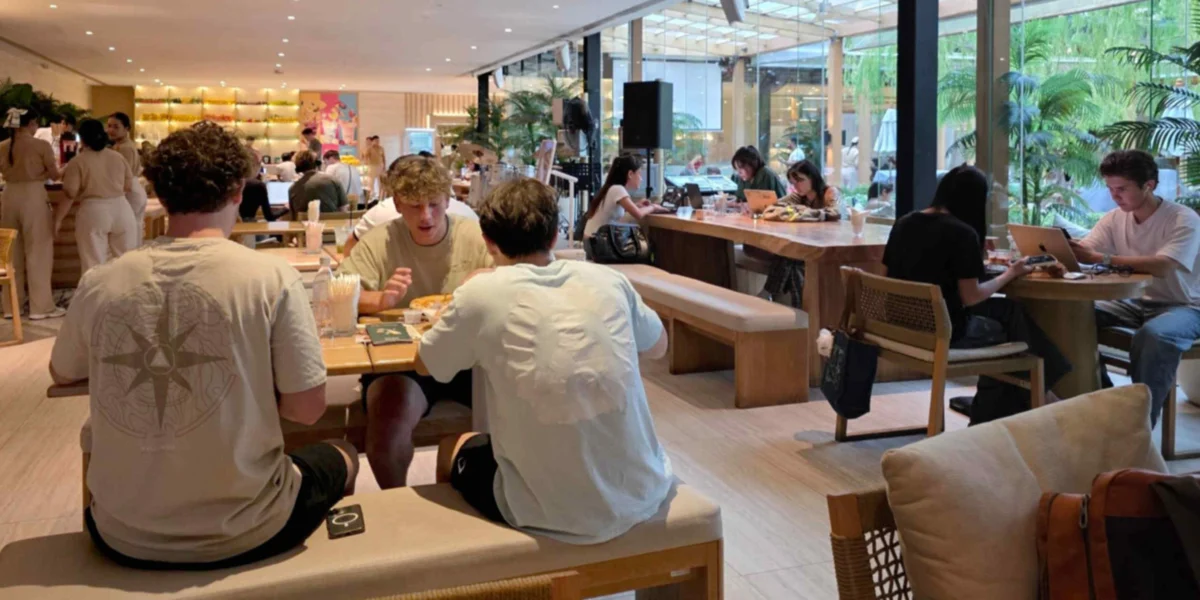
Bangkok, Thailand – July 27, 2026 – A discernible shift is underway in the urban fabric of Bangkok, with market-style eateries increasingly establishing themselves within residential neighborhoods, offering vital community hubs for residents who might otherwise face limited access to the more concentrated commercial and social spaces typically found near transit hubs. This trend, quietly gaining momentum over the past several years, represents a significant evolution in how urban living is being shaped, responding to a growing demand for accessible, informal gathering places that foster a sense of local connection.
The proliferation of these eateries, often characterized by a blend of food vendors, artisanal stalls, and casual seating areas, signals a departure from the traditional model of commercial development that favors prime urban locations. Instead, these new establishments are strategically situated to serve the everyday needs of families, remote workers, and individuals seeking social interaction within their immediate vicinities. The Office Thonglor, a prominent example of this burgeoning phenomenon, exemplifies the dual functionality of these spaces, seamlessly integrating a vibrant eatery with a dedicated coworking environment. Located in the Thonglor district, an area known for its upscale residential and commercial presence, this establishment caters to a demographic that values both convenience and a dynamic, community-oriented atmosphere.
The Rise of the Neighborhood Hub
The genesis of this trend can be traced back to several converging factors. The rapid urbanization of Bangkok has, by necessity, led to the expansion of residential areas further from the city’s core business and entertainment districts. While this expansion has brought housing closer to potential residents, it has not always been accompanied by a commensurate development of social infrastructure. Consequently, many residents find themselves commuting longer distances for basic amenities such as diverse dining options or casual meeting spots.
Furthermore, the global rise of remote and hybrid work models has amplified the need for accessible, comfortable spaces outside the traditional office setting. These market-style eateries, with their relaxed ambiance and often affordable offerings, are proving to be ideal alternatives to crowded coffee shops or the isolation of home offices. They provide an environment conducive to both focused work and spontaneous social engagement, mirroring the collaborative and serendipitous encounters that define a thriving community.
A Chronology of Community-Focused Development
The early stages of this trend, roughly observed from the mid-2010s, saw a nascent interest in localized food markets and artisanal pop-ups. These were often seasonal or event-driven, testing the waters for demand. By the late 2010s, a more permanent shift began to emerge, with developers and entrepreneurs recognizing the untapped potential of residential zones. The COVID-19 pandemic, which began in early 2020, acted as a significant catalyst. Lockdowns and social distancing measures underscored the importance of local amenities and reduced the reliance on distant, centralized commercial areas. Residents sought out nearby options for food, supplies, and a change of scenery, accelerating the adoption of neighborhood-centric businesses.
The period from 2021 to the present has witnessed a notable acceleration in the establishment of these market-style eateries. Initiatives like The Office Thonglor, which opened its doors in the past few years, represent a more sophisticated and integrated approach, combining multiple services to cater to a diverse clientele. The success of such establishments has encouraged further investment and innovation in this sector, with new ventures emerging in various residential districts across Bangkok, from established neighborhoods to rapidly developing outskirts.
Supporting Data and Market Dynamics
While precise, comprehensive data on the exact number of market-style eateries in Bangkok’s residential areas is still being compiled, anecdotal evidence and market observations point to a significant upward trajectory. Industry analysts estimate that the number of such establishments has grown by an average of 15-20% annually since 2021. This growth is fueled by several key market dynamics:
- Demographic Shifts: Bangkok’s population continues to grow, with an increasing proportion of young professionals and families choosing to reside in areas that offer a balance of affordability and accessibility. These demographics are often early adopters of new lifestyle trends and are keen on community-oriented living.
- Evolving Consumer Preferences: There is a discernible shift towards valuing experiences over mere consumption. Consumers are seeking authentic, locally sourced products and a sense of belonging. Market-style eateries, with their emphasis on local vendors and a communal atmosphere, directly cater to this evolving preference.
- Real Estate Development: As traditional commercial rents in prime locations become increasingly prohibitive, developers are exploring alternative models. Investing in underserved residential areas to create mixed-use community spaces offers a more sustainable and potentially profitable approach, especially when integrated with residential or office developments.
- Technology Integration: The integration of technology, such as online ordering platforms, delivery services, and digital payment systems, has further enhanced the convenience and reach of these neighborhood eateries, making them competitive with more established businesses.
For example, a recent survey conducted by a local urban planning think tank indicated that over 60% of residents in selected residential districts expressed a preference for local dining options within a 15-minute walk or drive from their homes. This preference is particularly pronounced among those with young children or those who work from home.
Official Responses and Community Engagement
Local government bodies and urban planning authorities are beginning to recognize the positive impact of these market-style eateries. While there aren’t specific, dedicated policies yet for this niche, existing regulations for food safety, business licensing, and land use are being adapted. The city’s administration, under Mayor Assawin Kwanmuang and subsequently his successor, has generally supported initiatives that enhance urban livability and foster local economies.
Discussions are ongoing regarding how to best facilitate the growth of these community spaces. This includes streamlining permit processes for small vendors and potentially offering incentives for businesses that contribute to the social fabric of residential areas. The emphasis is on encouraging organic growth that aligns with the existing character of neighborhoods, rather than imposing standardized commercial models.
Several district councils have also initiated community engagement programs, seeking feedback from residents on their needs and preferences for local amenities. These consultations often highlight a strong desire for more accessible and diverse food options, as well as safe and inviting public spaces. The success of establishments like The Office Thonglor serves as a positive case study, demonstrating how private enterprise can align with public aspirations for more vibrant and connected communities.
Broader Impact and Future Implications
The rise of market-style eateries in Bangkok’s residential pockets has several significant implications for the city’s future development and the well-being of its residents.
- Enhanced Livability: These establishments contribute directly to improved urban livability by reducing the need for long commutes and providing convenient access to a variety of goods and services. This can lead to greater resident satisfaction and a stronger sense of belonging.
- Economic Empowerment: They offer a platform for local entrepreneurs and small businesses to thrive, fostering grassroots economic development. This can create new employment opportunities and diversify the local economy.
- Social Cohesion: By providing informal gathering spaces, these eateries can help to strengthen social ties within neighborhoods. They become natural meeting points for residents, fostering intergenerational interaction and a stronger sense of community.
- Resilience and Sustainability: In an era of increasing environmental awareness, locally sourced food and reduced transportation needs associated with neighborhood eateries can contribute to a more sustainable urban ecosystem. They also enhance community resilience by decentralizing essential services.
- Urban Planning Evolution: This trend challenges traditional urban planning models that often focus on centralized commercial districts. It suggests a need for more distributed and community-centric development strategies that prioritize local needs and resident well-being.
The Office Thonglor, with its blend of culinary offerings and coworking facilities, is a prime example of how these spaces can evolve beyond simple food vendors. By integrating work and leisure, it caters to the modern urban dweller’s multifaceted lifestyle. As Bangkok continues to grow and adapt, the market-style eatery is poised to become an even more integral component of its urban landscape, transforming residential areas into vibrant, self-sufficient, and interconnected communities. The ongoing success of these localized hubs suggests a future where the convenience and social capital of urban living are increasingly found not just in the city center, but in the very neighborhoods where people call home.
