

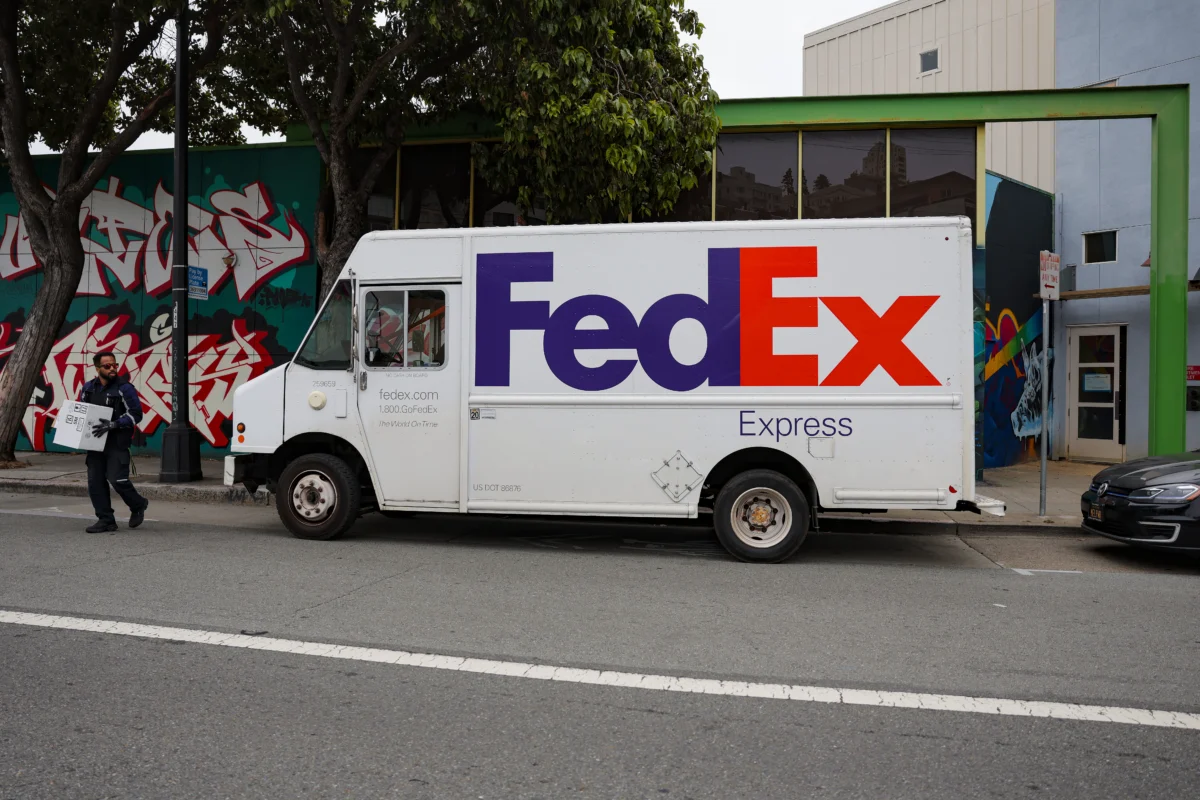
As the pharmaceutical landscape rapidly evolves, marked by an unprecedented surge in demand for highly specialized, temperature-sensitive medications such as GLP-1 receptor agonists, global logistics behemoths including UPS, FedEx, DHL, and C.H. Robinson are strategically retooling their operations. These industry leaders are pouring billions into strengthening their cold chain capabilities, expanding temperature-controlled facilities, and deploying advanced technologies to ensure the safe and efficient delivery of these critical treatments. The shift underscores a fundamental transformation in healthcare logistics, propelled by recent public health crises and groundbreaking therapeutic innovations.
The catalyst for this intensive focus on pharmaceutical supply chains can be traced significantly to the global COVID-19 pandemic of 2020. The urgent need to distribute temperature-controlled vaccines worldwide shone a spotlight on the critical, yet often overlooked, role of healthcare logistics. The challenges encountered, from maintaining ultra-cold temperatures for mRNA vaccines to ensuring rapid deployment across diverse geographies, exposed vulnerabilities but also highlighted immense opportunities. The pandemic served as a stark lesson in the necessity of resilient, agile, and technologically advanced cold chain networks, catalyzing a wave of investment and strategic realignment across the logistics sector.
Following in the wake of this heightened awareness, the biopharmaceutical industry has witnessed a boom in innovative therapies. Among the most prominent are GLP-1 medications, including Novo Nordisk’s Ozempic and Wegovy, and Eli Lilly’s Mounjaro and Zepbound. Initially developed for type 2 diabetes, these drugs have gained immense popularity for their efficacy in weight management, leading to a dramatic increase in prescriptions. A July Gallup poll in 2026 revealed that 11% of Americans were taking GLP-1 medications for weight loss, a substantial leap from just 3% in 2024. This burgeoning demand, coupled with the fact that most injectable GLP-1s require precise refrigerated storage for shipment, has placed immense pressure on existing supply chains and necessitated significant upgrades.
The Intricacies of Cold Chain Logistics
The fundamental challenge with these specialized medications lies in their inherent biological instability. Unlike traditional pharmaceuticals, biologics such as vaccines, insulin, certain antibiotics, and GLP-1s are highly sensitive to temperature fluctuations. Improper storage or deviations from specified temperature ranges during transit can compromise their chemical structure, leading to a loss of efficacy or, worse, potential harm to patients. The Food and FDA has issued warnings regarding unapproved GLP-1 drugs and emphasized that improper storage can severely affect a medicine’s quality, recommending against the use of drugs that arrive "warm or with insufficient refrigeration."
Maintaining the "cold chain" – a temperature-controlled supply chain – involves a complex array of specialized equipment, meticulously coordinated processes, and stringent regulatory compliance. This includes everything from refrigerated warehouses and specialized trucks to insulated containers, real-time temperature monitoring devices, and highly trained personnel. The margin for error is minimal, as even brief exposure to adverse conditions can render an entire batch of medication unusable, leading to significant financial losses and, more importantly, delays in patient treatment.
The global cold chain logistics market for biologics, already substantial, is projected for robust expansion. According to Growth Market Reports, demand for temperature-sensitive biologics is forecast to grow at an 8.3% compound annual growth rate through 2033, reaching an estimated market value of $39.1 billion. This exponential growth, fueled by breakthroughs in biotechnology and a global aging population, positions healthcare logistics as a prime investment area for logistics providers seeking to diversify and capture high-value market segments.
Strategic Investments and Expansions by Industry Leaders
Major logistics players are responding to this burgeoning market with substantial investments and strategic realignments, recognizing healthcare as a critical growth engine.
UPS Healthcare’s Aggressive Posture
UPS has positioned its healthcare division as a cornerstone of its growth strategy. The company’s global healthcare portfolio has consistently gained market share since 2021, culminating in its first-ever $3 billion healthcare revenue quarter in the first quarter of the current fiscal year. In June, UPS announced a significant $48 million investment specifically directed towards enhancing its temperature-controlled facilities. This move is part of a broader, ongoing strategy to bolster its capabilities in handling critical, temperature-sensitive treatments.
John Bolla, President of UPS Healthcare, emphasized the increasing trend of healthcare companies seeking robust logistics partners to manage growing volumes and complexity. "One of the biggest opportunities we see is supporting the shift toward more specialized therapies and more care delivered outside of traditional healthcare settings," Bolla stated. He acknowledged the "rapid growth" in biologics, cell, and gene therapies, despite the critical challenge of a near-zero margin for error. This precision requirement, however, is precisely what creates such a significant opportunity in healthcare logistics, driving demand for end-to-end visibility, control, and reliability across the entire supply chain network.
FedEx’s Dedicated Life Sciences Focus
FedEx is also aggressively pursuing this market segment. Earlier this month, the company officially launched a dedicated life sciences organization, a strategic move designed specifically to support the intricate movement of pharmaceuticals and other healthcare products. This specialization reflects the unique demands of the healthcare sector, which often requires a distinct approach compared to general cargo.
Brie Carere, FedEx’s Chief Customer Officer, reported in June that healthcare transportation revenue for fiscal year 2026 reached nearly $10 billion, underscoring the segment’s growing importance to the company’s bottom line. Nick Gennari, President of Healthcare at FedEx, articulated the company’s deep commitment: "We’re building end-to-end solutions focused on global pharma customers, and what’s so important with global pharma is that you have to recognize that there’s a patient at the end of every delivery or someone that’s waiting to be treated. So we take this very, very seriously."
Gennari highlighted the increasing complexity in delivering GLP-1 medications, which now range from injectables to oral pills and are increasingly distributed directly to consumers. He asserted that FedEx is "ideally positioned" to capitalize on this growth, leveraging its specialized technology, including a machine learning engine for predictive product movement and systems that identify and manage healthcare products based on their unique needs. He expressed confidence in FedEx’s existing infrastructure, including its robust airline network and lift capabilities, and its plans for cold-chain expansion, noting that "Much of the infrastructure that’s required to be successful in this space, we already have."
C.H. Robinson and DHL: Amplifying Capabilities
Beyond the traditional package carriers, freight forwarders and logistics service providers are also making significant strides. C.H. Robinson, a leading logistics company, has reported surpassing $1 billion in healthcare logistics revenue over the past year, a growth largely attributed to the surge in GLP-1 drugs. The company has been actively investing in its temperature-controlled facilities to meet this rising demand.
Ronnie Davis, Vice President of North American Surface Transportation at C.H. Robinson, emphasized the necessity of "end-to-end connectivity" and a robust network infrastructure to properly service healthcare clients. He noted the increasing complexity of medication supply chains, where many drugs, in addition to refrigeration, have short shelf lives and demand precise delivery windows. Davis pointed out that while pharmaceutical innovation has focused on getting drugs to market, this has "really put stress on the capabilities of the cold chain supply chains in the marketplace… that supply is not unlimited, it’s constrained." C.H. Robinson is therefore focused on ramping up its capabilities to manage higher volumes, while also collaborating with pharma companies exploring solutions like longer-shelf-life formulations.
DHL Supply Chain, another global logistics powerhouse, is integrating artificial intelligence into its operations to manage critical life science products. Hendrik Venter, CEO of DHL Supply Chain, explained that AI is used to monitor temperatures, predict potential issues, and enhance the resilience of the supply chain. "You’re seeing the industry moving from conventional to biopharma," Venter noted, highlighting the need for a supply chain "resilient and capable of shipping in all of these various temperature zones."
Last year, DHL announced a massive investment of 2 billion euros ($2.25 billion) into health logistics by 2030, with half of that capital earmarked for the Americas. The company is also increasingly taking over and managing pharmaceutical companies’ warehousing activities, integrating them into its expansive global network. Furthermore, DHL has established a pharmaceutical air corridor, utilizing dedicated aircraft and a connected network to ensure drugs are transported through consistent regulatory environments, minimizing risks associated with varying international standards. "You cannot lose a shipment. You cannot replace it. It needs to be delivered on time, every time, in the right quality and temperatures," Venter asserted, underscoring the non-negotiable standards of pharmaceutical logistics.
The Broader Impact and Future Outlook
The profound investments and strategic shifts by these logistics giants signify a maturing and increasingly specialized healthcare supply chain. The implications extend far beyond mere package delivery, touching on critical aspects of global health, economic development, and technological innovation.
Enhanced Patient Access and Safety: A robust cold chain ensures that life-saving and life-improving medications reach patients reliably and safely, regardless of their location. This is particularly crucial for chronic conditions like diabetes and obesity, where consistent access to GLP-1s can significantly improve quality of life. The focus on end-to-end visibility and control directly translates to reduced risks of compromised medications and improved patient outcomes.
Technological Advancements and Digitalization: The sector is becoming a hotbed for technological innovation. Beyond AI and machine learning for predictive analytics and route optimization, there’s a growing adoption of IoT sensors for real-time temperature and location tracking, blockchain for enhanced transparency and traceability, and automation in warehouses. These technologies are not just improving efficiency but also bolstering regulatory compliance and security.
Economic Growth and Job Creation: The expansion of healthcare logistics facilities and specialized services creates significant economic opportunities, including job creation in high-skilled areas such as logistics management, data analytics, and cold chain engineering. The substantial market value projections underscore the sector’s growing contribution to national and global economies.
Sustainability Challenges and Solutions: The energy demands of maintaining vast temperature-controlled networks are considerable. As the cold chain expands, there will be an increasing imperative for logistics companies to invest in sustainable solutions, such as energy-efficient refrigeration technologies, renewable energy sources for facilities, and optimized transportation routes to reduce carbon footprints. This will likely drive further innovation in green logistics.
Regulatory Evolution: The increasing complexity of pharmaceutical distribution, especially for advanced therapies like cell and gene therapies, will likely prompt further evolution in regulatory frameworks. Agencies like the FDA and EMA will continue to refine guidelines for Good Distribution Practices (GDP) to ensure safety and efficacy across the entire supply chain, fostering closer collaboration between regulators, pharmaceutical manufacturers, and logistics providers.
In conclusion, the current landscape of healthcare logistics is being redefined by an confluence of factors: the enduring lessons from the COVID-19 pandemic, the rapid proliferation of specialized, temperature-sensitive medications like GLP-1s, and a global commitment to pharmaceutical innovation. Logistics powerhouses are not merely reacting to demand; they are proactively shaping the future of medicine delivery through strategic investments, technological integration, and a patient-centric approach. This transformation ensures that the intricate journey of a drug from manufacturer to patient is as precise and secure as the scientific breakthroughs that bring these vital therapies to life.
