

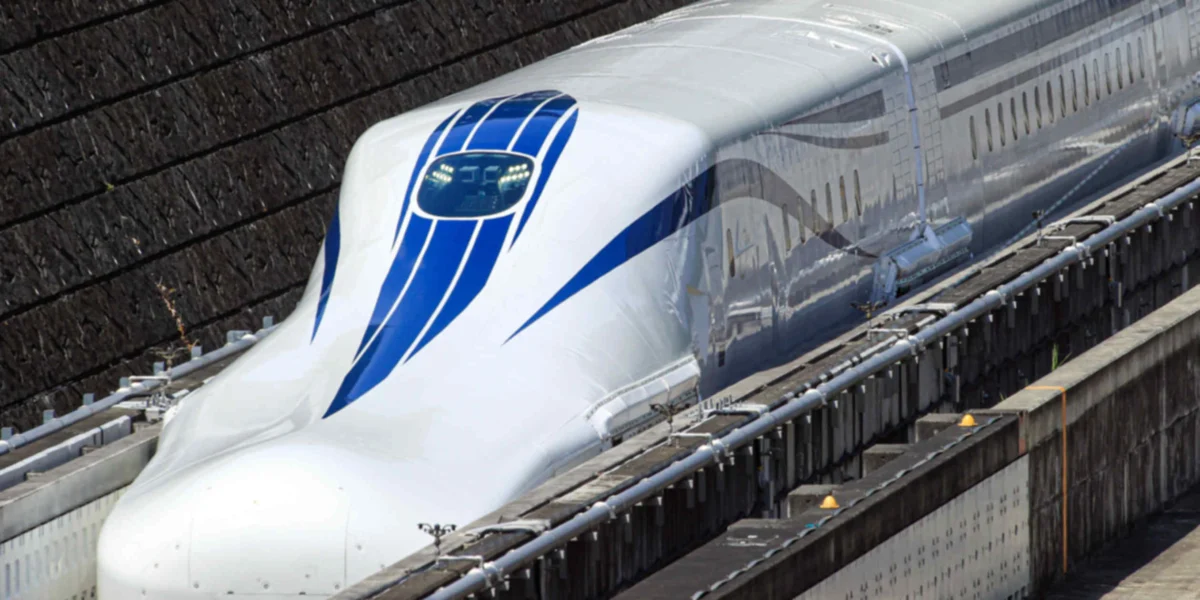
NAGOYA, Japan — With the crucial local approval finally secured, Japan’s ambitious and long-delayed maglev train line, the Linear Chuo Shinkansen, is poised to move forward, reigniting hopes among municipalities along its planned route for substantial economic benefits. However, the lingering question of when this cutting-edge transportation system will be fully completed and operational continues to cast a shadow, as concerns about the project’s timeline and escalating costs persist. The initial phase, designed to link Tokyo and Nagoya in an unprecedented 40 minutes, represents a significant leap in high-speed rail technology, promising to halve the current fastest bullet train journey time between these two vital economic hubs. This development marks a pivotal moment for a project that has been in various stages of planning and development for decades, facing numerous hurdles, including environmental concerns and intricate land acquisition processes.
A Project Decades in the Making
The genesis of the Linear Chuo Shinkansen project can be traced back to the early 1970s, with initial feasibility studies conducted by Japanese National Railways (JNR). Following JNR’s privatization in 1987, the Central Japan Railway Company (JR Central) took the reins of the project, officially launching its development in 1990. The underlying technology, magnetic levitation (maglev), allows trains to float above the track, propelled by powerful electromagnets, thus eliminating friction and enabling extraordinarily high speeds. The chosen system for the Chuo Shinkansen is the "Superconducting Maglev" (SCMaglev), developed by JR Central, which utilizes superconducting magnets on the train to induce magnetic fields in coils along the guideway.
The initial plan envisioned the entire line connecting Tokyo and Osaka, a distance of approximately 500 kilometers. However, the project has been plagued by significant delays and escalating costs. The primary driver for the recent surge in progress is the groundbreaking ceremony held in March 2014, marking the commencement of construction for the Tokyo-Nagoya segment. This 286-kilometer stretch is the first phase of the grander vision.
Overcoming Local Obstacles: A Critical Juncture
The recent local approval, particularly from communities in the Shizuoka Prefecture, has been a critical turning point. For years, construction in Shizuoka was stalled due to concerns raised by local fishermen and environmental groups regarding the potential impact of tunnel construction on the Oi River’s water flow. These concerns centered on the possibility that large-scale tunneling could divert groundwater, potentially reducing the river’s volume and affecting local ecosystems and agricultural water supplies.
After extensive negotiations, environmental impact assessments, and the implementation of mitigation measures, JR Central secured the necessary consent. These measures reportedly include provisions for monitoring water levels, ensuring sufficient water discharge from tunnels, and establishing cooperative frameworks with local stakeholders. The resolution of this protracted dispute has unlocked the path for the uninterrupted progression of construction between Nagoya and Tokyo.
The Tokyo-Nagoya Sprint: A Technological Marvel
The Tokyo-Nagoya section is engineered to achieve speeds of up to 500 kilometers per hour (approximately 310 mph). This extraordinary velocity will redefine intercity travel in Japan, drastically reducing journey times. For context, the current Tokaido Shinkansen, the world’s first high-speed rail line, connects Tokyo and Nagoya in about 1 hour and 40 minutes at its fastest. The maglev’s 40-minute transit will be a transformative improvement, fostering greater economic integration between these two megacities.
The economic implications are profound. Businesses will benefit from enhanced connectivity, allowing for more frequent face-to-face meetings, streamlined logistics, and the potential for a more distributed workforce. The tourism sector is also poised for a significant boost, as the reduced travel time will make day trips and weekend getaways between the two regions more feasible and attractive.
Lingering Doubts and Financial Realities
Despite the recent breakthrough, significant challenges remain. The most pressing concerns revolve around the project’s completion date and its ballooning budget. JR Central initially projected the Tokyo-Nagoya line to be operational by 2027. However, this timeline has been repeatedly pushed back, with current estimates suggesting a potential opening around 2034 or even later. The delays are largely attributed to the complex engineering required for tunneling through mountainous terrain and the ongoing efforts to address environmental and geological concerns.
Furthermore, the financial burden of the maglev project is immense. The estimated cost for the Tokyo-Nagoya section alone has spiraled from an initial ¥5.5 trillion (approximately $50 billion USD) to over ¥7 trillion (approximately $65 billion USD) in recent years. The full Tokyo-Osaka route is projected to cost upwards of ¥10 trillion (approximately $95 billion USD). The financial sustainability of such a colossal undertaking, especially given the potential for further cost overruns and the long payback period, remains a subject of scrutiny.
Economic Ripples and Regional Aspirations
For the municipalities situated along the planned route, the completion of the maglev line represents more than just a transportation upgrade; it is a beacon of economic opportunity. Cities and towns that will host stations, or benefit from the increased flow of people and commerce, are gearing up for potential growth. Local governments are investing in infrastructure development, urban planning, and tourism promotion to capitalize on the enhanced connectivity.
The projected economic benefits extend beyond direct transportation revenue. The construction phase itself provides a significant stimulus through job creation and demand for materials and services. Once operational, the increased accessibility is expected to attract new businesses, encourage residential development in areas previously considered too remote, and boost local economies through increased tourism and consumer spending. However, the uneven distribution of these benefits, with certain areas potentially receiving more attention than others, is also a consideration for regional development planners.
Looking Towards the Horizon: The Osaka Extension
The ultimate goal of the Linear Chuo Shinkansen project is to extend the line to Osaka, Japan’s second-largest metropolitan area. This extension, however, faces even greater complexities. It requires extensive tunneling through the Southern Japanese Alps, presenting significant engineering and geological challenges. The planned route also traverses several prefectures, necessitating further rounds of local negotiations and approvals, each potentially adding to the timeline and cost.
The projected completion date for the full Tokyo-Osaka line is currently estimated for the mid-2040s, but this is subject to considerable uncertainty. The successful completion of the Tokyo-Nagoya section will be a crucial determinant of the momentum and viability of the subsequent phases.
Official Statements and Public Sentiment
Officials from JR Central have consistently emphasized their commitment to completing the project safely and efficiently, while acknowledging the challenges. They have highlighted the technological advancements and the long-term economic and social benefits that the maglev line will bring to Japan.
On the other hand, local communities, while generally supportive of the project’s ultimate completion, are eager for clarity on the timeline and tangible assurances of economic uplift. There is a palpable sense of anticipation mixed with a degree of impatience, given the project’s protracted development. Public sentiment, while largely optimistic about the technological prowess and the prospect of ultra-fast travel, also grapples with the substantial financial investment and the potential for disruptions during the lengthy construction period.
A Symbol of Innovation and Endurance
The Linear Chuo Shinkansen is more than just a transportation infrastructure project; it is a testament to Japan’s enduring commitment to technological innovation and its forward-thinking approach to national development. The ability to overcome complex engineering hurdles and navigate intricate socio-political landscapes underscores the country’s resolve.
As construction resumes in earnest for the initial segment, the focus now shifts to the meticulous execution of the remaining stages. The success of the Tokyo-Nagoya line will not only revolutionize travel but also serve as a crucial barometer for the feasibility and eventual realization of the entire maglev network, a vision that promises to reshape the future of intercity connectivity in Japan. The journey ahead remains long and arduous, but the recent local approval has undeniably propelled this groundbreaking project closer to its ultimate destination.
