

The landscape of New York City’s climate policy is reaching a pivotal crossroads this month as renewable energy credits (RECs) officially hit the market, offering building owners a controversial new pathway to satisfy the stringent requirements of Local Law 97. For the first time since the landmark legislation was passed in 2019, the owners of the city’s largest properties will be able to purchase credits linked to clean energy projects rather than exclusively focusing on physical retrofits and onsite carbon reductions. This development has ignited a fierce debate within City Hall and among environmental advocates regarding the balance between grid-scale green energy investment and the localized benefits of building decarbonization.
As the administration of Mayor Zohran Mamdani navigates its first year in office, the implementation of these credits represents one of the most significant tests of the city’s commitment to the Climate Mobilization Act. While the Mayor campaigned on a platform of eliminating what he termed "loopholes" for the real estate industry, his administration has yet to formalize a cap on the use of RECs, leaving climate activists and the City Council to push for legislative guardrails.
The Infrastructure Catalyst: Champlain Hudson Power Express
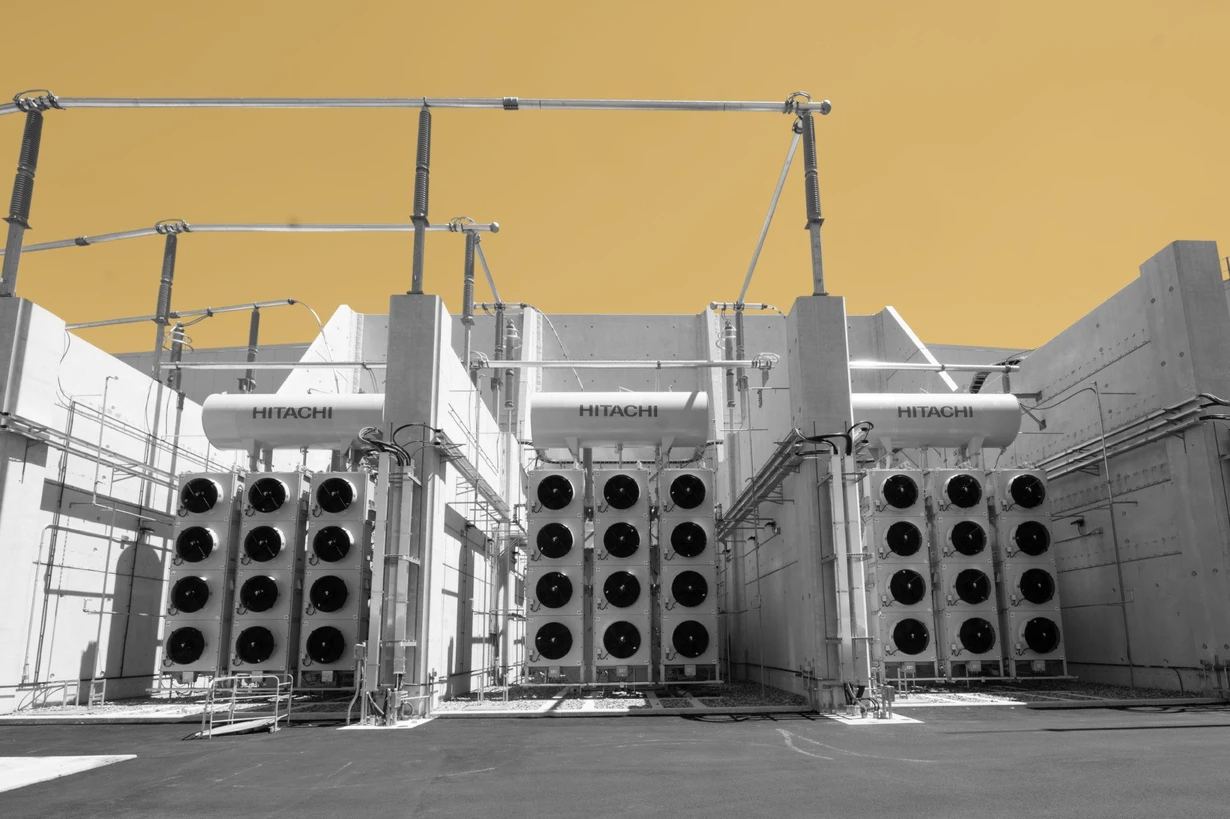
The catalyst for the current market entry of RECs is the completion and activation of the Champlain Hudson Power Express (CHPE). A 339-mile high-voltage direct current transmission line, CHPE was designed to deliver approximately 10.4 terawatt-hours of clean Canadian hydropower annually to the New York City metropolitan area. The project represents a cornerstone of the state’s "Tier 4" renewable energy program, which seeks to bring carbon-free electricity directly into Zone J—the high-demand, fossil-fuel-dependent grid serving the five boroughs.
The energy delivered by CHPE is translated into RECs, which are managed and sold by the New York State Energy Research and Development Agency (NYSERDA). The proceeds from these sales are earmarked to help subsidize the massive construction and operational costs of the transmission line, which otherwise would fall more heavily on utility ratepayers across the state. In June, the line began its initial flow of power, marking a technological milestone in the city’s transition away from gas-fired power plants.
However, the intersection of this infrastructure project with Local Law 97 has created a policy friction point. Local Law 97 requires buildings over 25,000 square feet to meet strict carbon emissions limits or face substantial financial penalties. By allowing owners to buy RECs to offset their electricity-based emissions, the city provides a financial mechanism to support the state’s clean grid goals, but critics argue this comes at the expense of local energy efficiency.
Local Law 97: A Chronology of Climate Mandates
To understand the current tension, it is necessary to examine the evolution of Local Law 97. Passed as part of the 2019 Climate Mobilization Act, the law was intended to address the single largest source of emissions in New York City: its built environment. Buildings account for approximately 70 percent of the city’s greenhouse gas emissions, primarily through heating, cooling, and electricity usage.
The law established a multi-tiered timeline for compliance:
- 2019-2023: The preparatory phase, where the Department of Buildings (DOB) established rules and building owners began auditing energy usage.
- 2024: The first compliance period began, setting emissions caps that impacted roughly 20 percent of the city’s most carbon-intensive large buildings.
- 2030: A significantly more stringent cap is set to take effect, projected to require upgrades for 75 percent of the buildings covered by the law.
- 2050: The ultimate goal of achieving a 80 percent reduction in total building emissions.
Under the administration of former Mayor Eric Adams, the DOB formalized the rules allowing for the purchase of RECs as a compliance option. This move was celebrated by the real estate industry as a necessary flexibility measure but condemned by environmental justice groups as a "pay-to-pollute" scheme. The entry of CHPE-linked RECs into the market this month marks the practical commencement of this compliance strategy.
The Advocacy Challenge and Intro 159
Climate advocates, led by organizations such as New York Communities for Change and the Urban Green Council, argue that an unrestricted REC market will stifle the very activity Local Law 97 was designed to stimulate: deep energy retrofits. These retrofits—ranging from window replacements and insulation to the installation of heat pumps—are seen as vital for improving indoor air quality, reducing local pollution, and creating thousands of green-sector jobs within the city.
"Without a reasonable limit, RECs could become a substitute for building upgrades rather than a complement to them," stated Chris Halfnight, CEO of the Urban Green Council. The Council’s data analysis suggests that if left uncapped, RECs could potentially offset up to 50 percent of the emissions that exceed the 2030 limits. For office properties specifically, that figure could soar to 85 percent, effectively allowing the city’s commercial core to bypass physical decarbonization.
In response, Councilmember Carmen De La Rosa has spearheaded "Intro 159," a bill currently pending in the City Council. The legislation seeks to limit the volume of emissions that can be offset by RECs to just 10 percent of a building’s total electricity-based emissions. De La Rosa and her co-sponsors argue that this cap is essential to ensure that the environmental and economic benefits of the law remain localized.
"Climate change is already affecting us," De La Rosa noted, citing recent brush fires in her district as evidence of the escalating crisis. "Communities of color and environmental justice communities are bearing the impacts. We must ensure this law delivers local air quality improvements and local jobs."

The Economic Equation: Penalties vs. Credits
The primary concern for policy analysts is the price differential between compliance and non-compliance. Under Local Law 97, the penalty for exceeding carbon limits is set at $268 per metric ton of CO2. Preliminary estimates suggest that the cost of purchasing RECs will be significantly lower than this fine, creating a financial incentive for building owners to choose the credits over more expensive capital improvements.
However, the economics of RECs are not static. The price of these credits fluctuates based on wholesale power prices; when power prices are low, the cost of RECs typically rises to cover the revenue gap for developers, and vice versa. Furthermore, the law includes a "clean grid" adjustment for the 2030 period. As the New York grid becomes cleaner, the emissions coefficient for electricity will drop. This means that by 2030, building owners will likely need to purchase double the number of RECs to offset the same amount of emissions, potentially narrowing the cost gap between credits and retrofits.
Divergent Perspectives within the Climate Community
Not all climate policy experts view the use of RECs as a negative development. Some veterans of previous administrations argue that the credits were a necessary political and financial compromise to ensure the viability of large-scale renewable projects like CHPE.
Ben Furnas, a former climate official under the de Blasio administration, suggested that CHPE is a "huge victory" for the city’s long-term goals. He noted that the REC market helps catalyze a political and economic coalition in favor of a zero-emission grid. Similarly, Daniel Zarrilli, another former city climate leader, pointed out that the funding for the 339-mile transmission line was far from guaranteed. "If part of the tradeoff was allowing some offsetting of electricity emissions, I think that was a worthwhile compromise," Zarrilli stated.
From this perspective, RECs serve as a bridge, providing immediate funding for the state’s transition to renewables while the city’s building stock undergoes the longer, more complex process of electrification. The Department of Buildings has maintained a similar stance, asserting that the purchase of RECs directly supports a cleaner grid for all New Yorkers.
Political Pressure on the Mamdani Administration
The current political tension centers on Mayor Mamdani’s transition from a candidate to a chief executive. During his campaign, Mamdani was a vocal critic of the REC "loophole," at one point calling the ability of owners to buy their way out of compliance a "ridiculous state of affairs." He specifically targeted the previous administration’s perceived deference to the real estate lobby.
Since taking office, however, the Mayor’s public position has become more guarded. While City Hall spokespeople have stated they are "reviewing" Intro 159 and support "concrete steps" toward compliance, no executive order or departmental rule change has been issued to limit the RECs. This silence has frustrated some of the Mayor’s progressive base.
Pete Sikora, director of climate advocacy at New York Communities for Change, has called on the Mayor to fulfill his campaign promises. "Closing that loophole would ensure energy efficiency investments that lead to thousands of jobs, millions of tons of air pollution reductions, and lower utility bills," Sikora said.
Broader Implications and Future Outlook
The outcome of this debate will have implications far beyond New York City. As urban centers globally look to NYC as a model for municipal climate legislation, the effectiveness of Local Law 97 in driving physical changes to the built environment is being closely watched.
If the city adopts a strict cap on RECs, it could trigger a massive wave of construction and engineering projects as thousands of buildings scramble to meet the 2030 deadline. This would likely strain the supply chain for heat pumps and green building materials but would solidify New York’s position as a leader in urban decarbonization. Conversely, if the REC market remains largely unrestricted, the city may see a faster transition to a clean grid at the state level, but a slower pace of improvement for its own aging infrastructure.
For now, building owners are watching the market closely. With the first batch of RECs becoming available this month, the real estate industry is preparing to integrate these credits into their 2024 compliance filings. Whether those credits will remain a primary tool for compliance or a limited secondary option depends on the legislative path chosen by the City Council and the Mamdani administration in the coming months.
As utility customers begin to see the modest increases in their bills associated with the CHPE project—estimated at a few dollars per month—the pressure to ensure those costs result in tangible environmental benefits for the city’s residents continues to mount. The transition to a green economy in New York City is no longer a theoretical debate; it is now a matter of market transactions, transmission lines, and the fine print of municipal law.
