

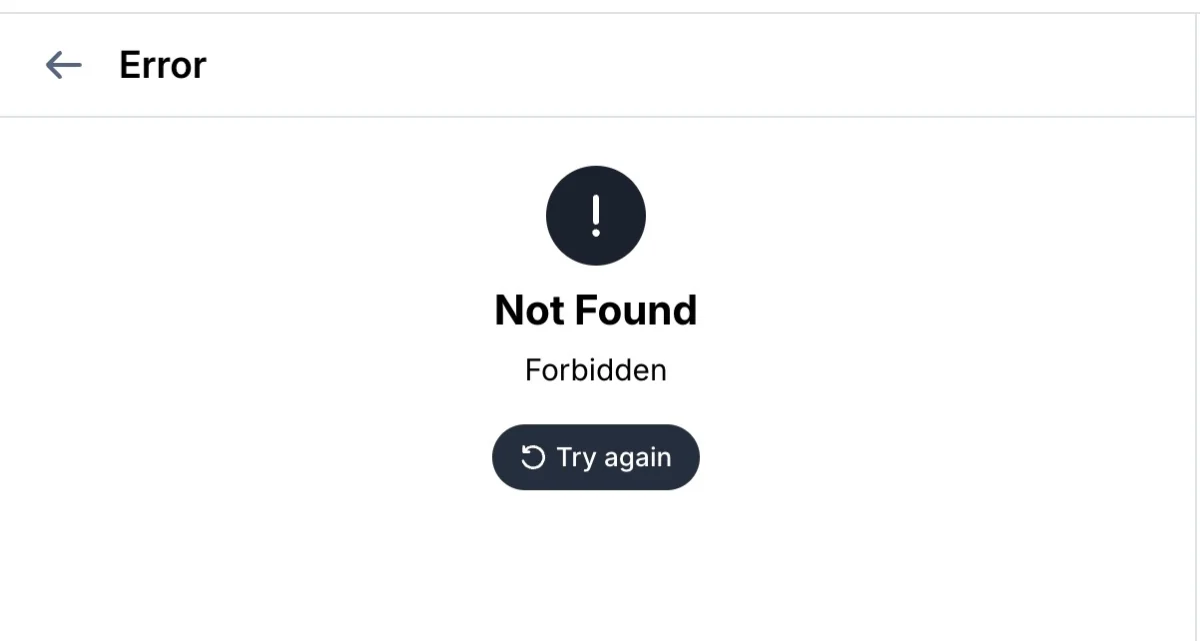
Bluesky’s nascent decentralized social network, including its primary website and mobile application, has been significantly hampered since early Thursday morning, April 16, 2026, by persistent service interruptions. Rose Wang, the Chief Operating Officer of Bluesky, officially attributed these widespread disruptions to a denial-of-service (DoS) attack, marking a critical challenge for the rapidly growing platform. The issues commenced around 2:42 AM ET and have continued intermittently throughout the day, presenting users with slow loading times, inaccessible feeds, and a barrage of error messages.
The Emergence and Vision of Bluesky
Bluesky, often touted as a potential decentralized alternative to established social media giants, traces its origins to Twitter’s co-founder Jack Dorsey. Conceived initially within Twitter in 2019, it spun out as an independent entity dedicated to building an open and decentralized social networking protocol, known as the Authenticated Transfer (AT) Protocol. The vision behind Bluesky and the AT Protocol is to empower users with greater control over their data, foster interoperability between different social applications, and mitigate the centralized control issues prevalent in platforms like X (formerly Twitter) or Meta’s Facebook and Instagram.

Since opening its doors to the public in early 2024, shedding its invite-only model, Bluesky has experienced a significant surge in user adoption, surpassing 5 million users by late 2025. This rapid growth positioned it as a prominent player in the burgeoning decentralized social media landscape, alongside Mastodon and Threads, which has also embraced fediverse integration. The platform’s appeal lies in its familiar microblogging interface combined with the promise of a more open, transparent, and user-governed internet. Its innovative architecture allows for custom algorithms and moderation tools, aiming to give communities and individuals more agency over their online experience.
Understanding the Denial-of-Service Attack
A denial-of-service (DoS) attack, specifically a distributed denial-of-service (DDoS) attack in most large-scale instances, is a malicious attempt to disrupt the normal traffic of a targeted server, service, or network by overwhelming it with a flood of internet traffic. These attacks leverage multiple compromised computer systems as sources of attack traffic, making it challenging to block the source. The objective is to make an online service unavailable to its intended users.
Common methods employed in DDoS attacks include:

- SYN floods: Exploiting the TCP three-way handshake by sending a high volume of SYN requests and never completing the handshake, leaving the server’s connection tables full.
- UDP floods: Sending a large number of User Datagram Protocol packets to random ports on the target server, forcing the server to check for applications listening on those ports and draining resources.
- HTTP floods: Overwhelming a web server with seemingly legitimate HTTP GET or POST requests, consuming server resources and bandwidth.
- DNS amplification: Leveraging open DNS resolvers to amplify small queries into large responses directed at the target.
The motivations behind such attacks can vary widely. They can range from politically motivated activism (hacktivism), competitive sabotage, extortion attempts (ransom DDoS), or simply malicious vandalism. For a platform like Bluesky, which represents a new paradigm in social media and has gained considerable traction, it could be a target for various reasons, including ideological opposition to decentralization, competitive pressure, or an attempt to undermine trust in its fledgling infrastructure. The sheer volume of malicious traffic generated by a DDoS attack effectively clogs the target’s network bandwidth and exhausts server resources, leading to the slowdowns and error messages observed by Bluesky users.
Chronology of the Outage and User Experience
The first signs of trouble emerged around 2:42 AM ET on Thursday, April 16, 2026, when Bluesky’s internal monitoring systems likely registered an anomalous surge in traffic. The platform’s public status page, a crucial resource for real-time information, subsequently began reflecting the escalating severity of the issues.
As the morning progressed, the impact became undeniable across the platform. Bluesky protocol engineer Bryan Newbold acknowledged the intensity of the assault in a post on the network around 3:46 AM ET, stating, "oof, our services are getting pretty hard tonight." This internal recognition underscored the significant strain on the network’s infrastructure. Shortly thereafter, COO Rose Wang provided the official confirmation, attributing the widespread service interruptions directly to a denial-of-service attack.

Users attempting to access Bluesky throughout the day reported a frustrating and inconsistent experience:
- Intermittent Loading: The Bluesky website and app would occasionally load, but at an excruciatingly slow pace, often failing to render content fully.
- Error Messages: A prevalent issue was the display of explicit error messages. When attempting to switch to specific feeds within the app, users were met with a message stating, "This feed is currently receiving high traffic and is temporarily unavailable. Please try again later. Message from server: Rate Limit Exceeded." This message clearly indicates that the system’s capacity limits were being breached due to an overload of requests, consistent with a DDoS attack.
- Impact on Popular Feeds: Popular, algorithmically curated feeds such as "Discover" and the official "Bluesky Team" feed were particularly affected, frequently displaying the rate limit error. This suggests that the attack targeted high-traffic endpoints or that the general network saturation disproportionately impacted heavily accessed services.
- Profile Access Issues: Navigating to individual user profiles often resulted in generic error messages, necessitating multiple refreshes or complete failure to load.
- Personal Feeds: While popular feeds were largely inaccessible, some users reported limited success in loading their personal feeds, though performance remained degraded.
The continuous nature of the attack meant that as of the afternoon PDT on April 16, 2026, the service remained largely impaired, leaving millions of users unable to reliably interact with the platform.
Bluesky’s Response and Mitigation Efforts
In the face of such a sustained and disruptive attack, the Bluesky team is undoubtedly engaged in round-the-clock efforts to restore full functionality and fortify their defenses. While the company has not yet provided a detailed public statement on its specific mitigation strategies or an estimated time for a full fix, their actions would typically involve several key steps:

- Traffic Filtering and Scrubbing: Implementing advanced traffic filtering rules at the network edge to identify and block malicious traffic while allowing legitimate user requests through. This often involves specialized DDoS mitigation services provided by companies like Cloudflare, Akamai, or AWS Shield, which absorb and filter the attack traffic before it reaches Bluesky’s core infrastructure.
- Increased Capacity and Scaling: Temporarily scaling up server resources and bandwidth to handle the inflated traffic volume, even if a significant portion of it is malicious. This is a stop-gap measure to provide some level of service while more precise filtering is applied.
- Attack Vector Analysis: Continuously analyzing the nature and origin of the attack traffic to understand the specific methods being used and adapt defenses accordingly. DDoS attacks are dynamic, and attackers often shift tactics.
- Communication and Transparency: Maintaining regular updates on their status page and through alternative communication channels (if available) to keep their user base informed. While COO Rose Wang’s attribution was crucial, further details on progress are anticipated.
- Forensic Investigation: Post-attack, a thorough forensic investigation would be initiated to identify the perpetrators, understand the vulnerabilities exploited, and strengthen future defenses.
A notable aspect of this incident, given Bluesky’s decentralized foundation, is that communities running their own infrastructure on the underlying AT Protocol appeared to be functioning independently. This highlights a core resilience tenet of decentralized systems: while a central point of access (like Bluesky’s main app and website) can be targeted, the distributed nature of the protocol itself allows for a degree of redundancy and continued operation for parts of the ecosystem not directly reliant on Bluesky’s primary services. However, for the majority of users who access the AT Protocol through the official Bluesky application, the impact is comprehensive.
Broader Implications for Decentralized Social Media
This sustained DDoS attack against Bluesky carries significant implications, not just for the platform itself but for the broader decentralized social media movement:
- Trust and Reliability: For any social network, especially one vying for mainstream adoption, uptime and reliability are paramount. Prolonged outages can erode user trust, deter new sign-ups, and even lead to user migration to more stable platforms. Users are increasingly sensitive to service disruptions, and this incident could test the loyalty of Bluesky’s growing community.
- Vulnerability of Nascent Platforms: The attack underscores that even platforms built on decentralized principles are not immune to centralized points of failure, particularly their primary gateways and infrastructure. Emerging platforms, often with smaller teams and less mature security operations compared to tech giants, can be attractive targets for malicious actors seeking to test their capabilities or disrupt perceived competitors.
- Security as a Core Challenge: This incident serves as a stark reminder that robust cybersecurity is not merely an add-on but a foundational requirement for any online service. For decentralized platforms, the challenge is dual: securing their central points of access while also ensuring the integrity and resilience of the underlying protocol itself.
- Validation of Decentralized Principles (with caveats): The fact that some communities on the AT Protocol might still be functioning offers a partial validation of the decentralized model’s resilience. However, for the average user, if the main application is down, the benefits of the underlying protocol’s distribution are largely abstract. The incident highlights the ongoing tension between practical user accessibility and pure decentralized ideals.
- Competitive Landscape: In an increasingly crowded social media market, where Bluesky competes with giants like X and Meta (through Threads), as well as other decentralized options like Mastodon, a significant outage can impact its competitive standing. Maintaining momentum and demonstrating stability are crucial for long-term success.
Cybersecurity experts frequently note the increasing sophistication and frequency of DDoS attacks. The cost of launching such attacks has decreased, while their potential impact has grown, making them a persistent threat to online services across all sectors. Social media analysts, meanwhile, consistently emphasize that user experience, defined by seamless access and reliable performance, is a critical determinant of platform stickiness and growth.

As Bluesky navigates this challenging period, its response and the speed of its recovery will be closely watched. This event is a critical test of its operational resilience and its commitment to providing a stable, secure environment for its user base, ultimately shaping perceptions of the platform and the future trajectory of decentralized social networking. The incident underscores the continuous arms race between digital service providers and malicious actors, where security infrastructure and rapid response mechanisms are paramount.
