

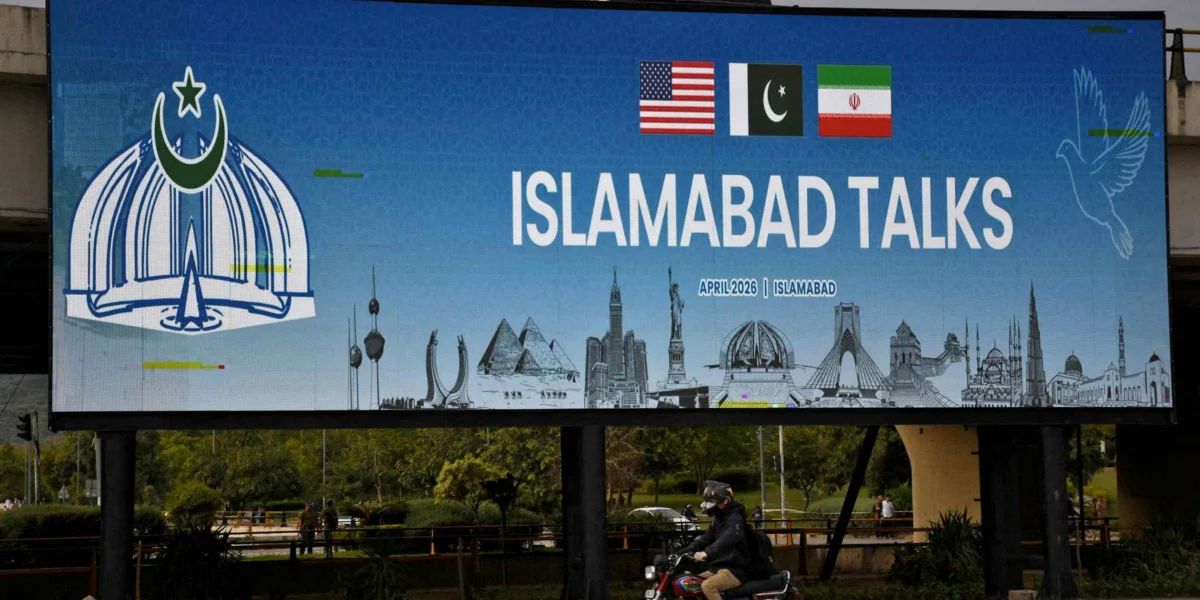
ISLAMABAD — Pakistani officials are aggressively pursuing the hosting of a second round of crucial peace talks between the United States and Iran, a high-stakes diplomatic endeavor aimed at solidifying a fragile two-week ceasefire that expires imminently. The urgency stems from the need to build upon the initial, albeit inconclusive, discussions held in Islamabad last weekend, with the Pakistani capital poised to once again serve as the neutral ground for these critical negotiations. Sources within the Pakistani government, speaking to Nikkei Asia, have indicated a strong push to reconvene delegations before the current cessation of hostilities, brokered by Islamabad and announced last Wednesday, formally concludes.
The intricate diplomatic dance began with the announcement of a two-week ceasefire, a significant development that brought a temporary respite to a region fraught with geopolitical tension. This ceasefire, a testament to Pakistan’s persistent diplomatic outreach, was seen as a critical first step towards de-escalation. However, the initial round of talks, held under the shadow of this nascent truce, reportedly failed to achieve a comprehensive agreement. The lack of a definitive breakthrough has amplified the pressure on Islamabad to facilitate further dialogue, recognizing that the window of opportunity to solidify any progress is rapidly narrowing.
Background: A Region on Edge
The broader geopolitical landscape in which these talks are unfolding is one of heightened volatility. Decades of strained relations between the United States and Iran have been punctuated by periods of proxy conflicts, economic sanctions, and a constant undercurrent of suspicion. The recent escalation in regional tensions, fueled by a complex web of alliances and rivalries, had brought the international community to the brink of a wider confrontation. It is against this backdrop of potential wider conflict that Pakistan’s role as a mediator has become increasingly prominent.
For years, Pakistan has navigated a delicate balancing act in its foreign policy, maintaining ties with both the United States and Iran while also engaging with regional powers. This neutrality, coupled with its geographical proximity and established diplomatic channels, has positioned Islamabad as a credible intermediary. The success of the current ceasefire, however brief, underscores the potential for Pakistan to play a more substantial role in facilitating regional stability.
Chronology of Diplomatic Efforts
The current diplomatic push can be traced back to a series of intensive behind-the-scenes consultations that preceded the announcement of the ceasefire. Pakistani diplomats engaged in shuttle diplomacy, engaging with both Washington and Tehran to gauge their willingness to engage in direct dialogue.
- Early March 2026: Initial exploratory talks are reportedly initiated by Pakistan, seeking to identify common ground for de-escalation.
- Mid-March 2026: Pakistani Foreign Minister undertakes discreet visits to both Washington D.C. and Tehran, conveying messages and exploring the feasibility of a mediated dialogue.
- March 26, 2026: Reports emerge of a potential breakthrough in ceasefire negotiations, with Pakistan playing a pivotal role.
- March 30, 2026: The two-week ceasefire agreement is formally announced, with Pakistan confirming its role in brokering the deal.
- April 6-7, 2026: The first round of U.S.-Iran peace talks is held in Islamabad. The talks reportedly conclude without a definitive agreement.
- April 8, 2026 onwards: Pakistani officials begin actively working to convene a second round of talks before the April 13th ceasefire deadline.
- April 15, 2026: Pakistani officials express confidence in their ability to host a second round of talks within days.
This timeline highlights the rapid pace of diplomatic engagement and the compressed nature of the current negotiations. The success of the upcoming talks hinges on the ability of both parties to build upon the limited progress made in the initial round and to overcome entrenched disagreements.
The Stakes of the Ceasefire
The two-week ceasefire, while temporary, represents a critical opportunity to halt a dangerous cycle of escalation. The economic and human cost of continued conflict in the region is immense. For instance, disruptions to global oil supplies, a recurring consequence of regional instability, can have far-reaching economic repercussions. Data from the International Energy Agency (IEA) has consistently shown that even minor disruptions in the Persian Gulf can lead to significant spikes in global oil prices, impacting everything from transportation costs to industrial production worldwide.
Beyond economic considerations, the human toll of any prolonged conflict would be catastrophic. Regional conflicts invariably lead to displacement, humanitarian crises, and loss of life. The refugee flows and humanitarian aid requirements associated with past regional conflicts underscore the devastating impact on civilian populations. Therefore, the preservation and extension of the current ceasefire are paramount for regional and global stability.
Official Statements and Reactions (Inferred)
While direct official statements from the U.S. and Iran regarding the second round of talks remain guarded, the assertive stance taken by Pakistani officials suggests a degree of engagement from both sides.
- Pakistani Government: The proactive efforts by Pakistani officials to secure a second round of talks indicate a strong commitment to their mediating role. Their public pronouncements, as reported by Nikkei Asia, suggest a belief that both the U.S. and Iran recognize the necessity of continued dialogue, even if the initial discussions were challenging.
- United States (Inferred): The U.S. has historically expressed a desire for de-escalation and a willingness to engage in direct diplomacy to address its concerns with Iran. Their participation in the first round suggests an openness to exploring diplomatic avenues. The urgency to secure a second round would likely stem from a strategic calculation that further engagement could solidify de-escalation efforts and provide opportunities to address specific security concerns.
- Iran (Inferred): Iran has also, at times, expressed a willingness to engage in dialogue, particularly when seeking the lifting of sanctions or the resolution of regional security issues. Their participation in the initial talks indicates a similar interest in exploring diplomatic solutions. A second round would likely be viewed as an opportunity to press their own agenda and to gauge the sincerity of U.S. intentions.
The cautious optimism emanating from Islamabad underscores the delicate nature of these negotiations. Success will require skillful diplomacy, a willingness to compromise, and a genuine commitment from both the U.S. and Iran to move beyond entrenched positions.
Analysis of Implications
The potential success of a second round of U.S.-Iran talks, facilitated by Pakistan, carries significant implications for regional and global security.
- De-escalation and Stability: A successful outcome could lead to a sustained reduction in regional tensions, mitigating the risk of a wider conflict. This would provide a much-needed period of stability for countries in the Middle East, allowing them to focus on economic development and internal challenges.
- Economic Benefits: Reduced geopolitical risk can translate into economic benefits. A more stable region would likely see increased foreign investment, improved trade relations, and a stabilization of energy markets, positively impacting global economic growth.
- Strengthened Diplomatic Norms: The success of Pakistan’s mediation efforts would reinforce the importance of multilateral diplomacy and the role of neutral intermediaries in resolving complex international disputes. It could pave the way for Pakistan to play a more prominent role in future conflict resolution initiatives.
- Shifting Regional Dynamics: A breakthrough in U.S.-Iran relations could lead to a recalibration of regional alliances and power dynamics. This could create new opportunities for cooperation and dialogue among regional actors.
However, the path to such a positive outcome is fraught with challenges. The deep-seated mistrust between the U.S. and Iran, coupled with complex regional interests and the involvement of various proxy actors, presents formidable obstacles. The specific issues on the agenda – likely including Iran’s nuclear program, regional security, and sanctions relief – are highly contentious and require significant political will to address.
The Road Ahead
As the deadline for the current ceasefire looms, the diplomatic efforts spearheaded by Pakistan are entering a critical phase. The convening of a second round of talks is not merely a procedural step; it represents a vital opportunity to transform a temporary lull in hostilities into a sustainable pathway towards peace. The international community will be closely watching Islamabad as it attempts to navigate this complex diplomatic terrain, with the hope that this latest round of negotiations can yield more substantive progress than the first, ultimately contributing to a more stable and secure region. The commitment of both the U.S. and Iran to engage constructively in these talks will be the ultimate determinant of their success.
