

The digital preservation efforts of the Internet Archive’s Wayback Machine are facing unprecedented challenges as a growing number of prominent news organizations, including USA Today and The New York Times, implement policies to restrict its archiving capabilities. This trend, driven by concerns over artificial intelligence (AI) data scraping and copyright infringement, threatens to erode a vital resource for journalists, researchers, and the public, potentially obscuring historical digital records and hindering accountability journalism.
The Crucial Role of the Wayback Machine in Modern Journalism
The controversy recently came to a head with USA Today’s publication of an in-depth report detailing how U.S. Immigration and Customs Enforcement (ICE) allegedly delayed the release of critical data concerning the impact of its detainment policies. The investigative team relied heavily on the Wayback Machine to reconstruct and analyze ICE detention statistics, tracking shifts in agency reporting that occurred under the Trump administration. This journalistic endeavor exemplifies the profound value of the Wayback Machine, a non-profit organization that systematically crawls and preserves web pages, making them accessible to the public.
Mark Graham, Director of the Internet Archive, highlighted the irony of the situation. "USA Today Co. bars the Wayback Machine from archiving its work," Graham stated. "They’re able to pull together their story research because the Wayback Machine exists. At the same time, they’re blocking access." This paradoxical stance underscores the complex relationship between content creators and digital archivists in the current information landscape.
A Widening Trend of Restrictions
The actions of USA Today Co. are not isolated. A significant number of major journalism organizations have recently moved to limit the Wayback Machine’s access to their content. According to an analysis by Originality AI, an artificial intelligence detection startup, at least 23 major news websites are actively blocking ia_archiverbot, the web crawler employed by the Internet Archive. The social media platform Reddit has also adopted similar restrictions.
Other publishers are employing more nuanced approaches. The Guardian, for instance, does not outright block the crawler but restricts access to its content through the Internet Archive’s API and filters out articles from the Wayback Machine interface. This makes it considerably more difficult for the general public to access archived versions of their articles, indirectly limiting the tool’s utility for broad public good.
Publishers’ Stated Motivations: AI and Copyright Concerns
Publishers have largely justified these restrictions by citing concerns about how tech companies might leverage the vast datasets collected by the Internet Archive to train artificial intelligence models. Graham James, a spokesperson for The New York Times, articulated this concern, stating, "The issue is that Times content on the Internet Archive is being used by AI companies in violation of copyright law to directly compete with us." While the Times declined to clarify whether this was an actual occurrence or a hypothetical scenario, the sentiment reflects a broader anxiety within the publishing industry.
Reddit has also publicly stated that concerns over AI data scraping were a primary driver behind its decision to block the Wayback Machine crawler. This situation is occurring against the backdrop of an escalating "war" between publishers and AI companies regarding the legality of training AI models on copyrighted content without explicit permission. Numerous lawsuits across the United States, numbering over 100, are currently focused on this very issue, highlighting the contentious nature of data acquisition for AI development. The Wayback Machine, with its extensive archive of over a trillion web pages accumulated over three decades, represents a particularly rich and appealing data source for these AI companies.
The Internet Archive’s Long History and Ongoing Battles
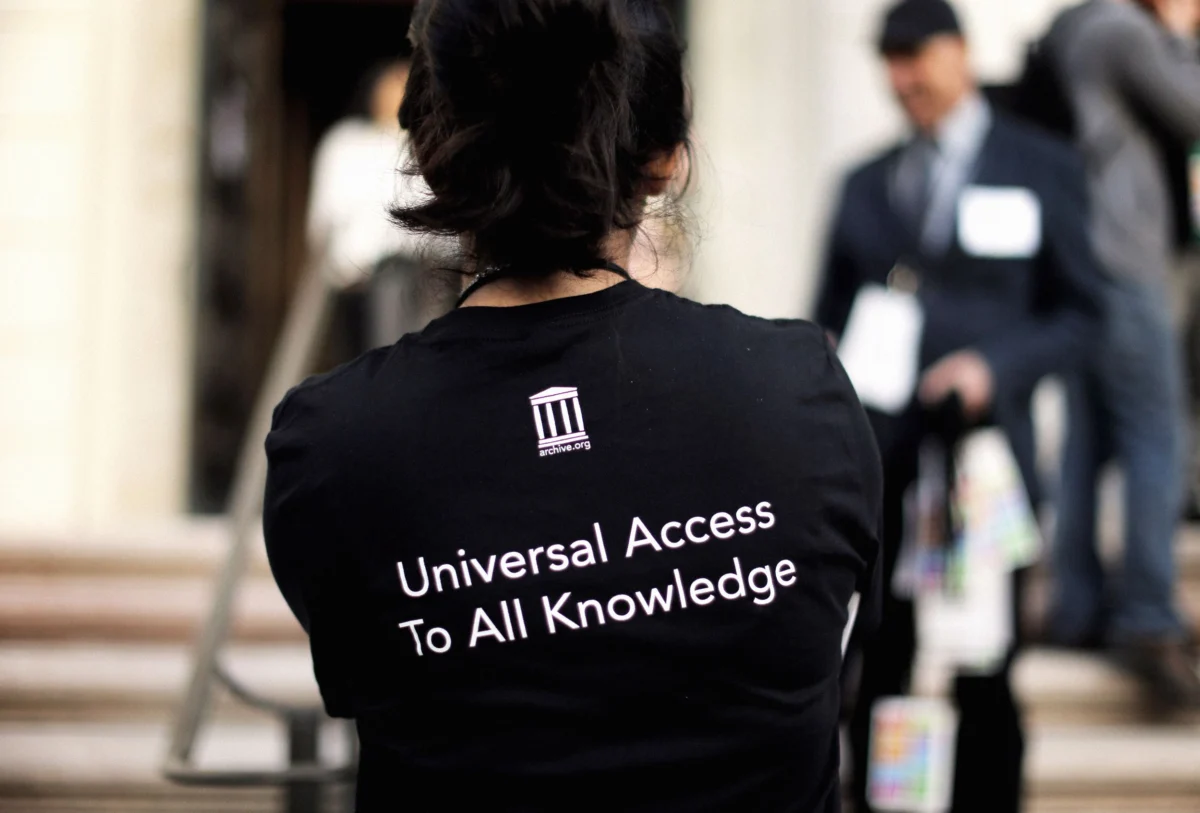
The Internet Archive, a non-profit organization established 30 years ago, has been a steadfast guardian of digital history. Its mission to build a universal library of all knowledge has led it to archive an astonishing volume of web content. However, this mission has not been without its legal challenges. Since 2020, the Archive has navigated several significant legal battles.
Most recently, the organization reached a settlement with a consortium of major music publishers. The publishers had sought substantial damages, reportedly up to $700 million, over the Archive’s "Great 78s" project, which involved archiving vintage recordings. While the current wave of restrictions does not involve immediate financial penalties, the growing trend of media outlets blocking the Wayback Machine presents a formidable threat to the Archive’s core mission of preservation.
A Growing Backlash from Journalists and Advocates
In response to this trend, individual reporters and advocacy organizations have mobilized to defend the Wayback Machine. The Electronic Frontier Foundation and Fight for the Future have rallied journalists, highlighting the tool’s indispensable value. This coalition has garnered over 100 signatures from working journalists who recognize the Wayback Machine’s significance. They presented a letter of support to the Internet Archive, emphasizing its crucial role in preserving the historical record of journalism.
The signatories represent a diverse spectrum of the media landscape, including prominent figures like Rachel Maddow, independent reporters such as Kat Tenbarge of Spitfire News, and journalists like Taylor Lorenz of User Mag. The letter poignantly states, "In previous generations, journalists would turn to the physical archives of a local newspaper or of a local public library to access historical reporting and follow the threads of the present back into history. With many newspapers closed, and no clear path for local public libraries to preserve digital-only reporting, the work of safeguarding journalism’s record increasingly falls to the Internet Archive."
Testimonials to the Wayback Machine’s Utility
Journalists have shared personal accounts of how the Wayback Machine has been instrumental in their work. Laura Flynn, a supervising podcast producer at The Intercept and a signatory to the letter, described the Internet Archive as an "essential tool" throughout her career, playing a critical role in fact-checking and surfacing audio clips. Micco Caporale, a writer for the Chicago Reader, finds the Wayback Machine invaluable when researching older bands and cultural figures, providing access to long-lost fan sites and historical web content.
Beyond journalistic pursuits, Caporale has also leveraged the Wayback Machine for union organizing. "I’ve also been using the Wayback Machine a ton in my union organizing work to find old job listings so we know what the company claimed to hire people for vs. what duties they actually assigned or to see how different positions have been retooled at different points," Caporale explained. "These posts also help us keep track of pay fluctuations across the organization over time." These examples underscore the tool’s versatility and its impact on various facets of public life and professional endeavors.
The Broader Implications: Accountability and Legal Precedents
The erosion of access to the Wayback Machine has far-reaching implications that extend beyond the realm of journalism. Without a comparable public tool, the ability to preserve and access early digital records of history could diminish significantly, leading to the potential loss of invaluable historical information.
The tool’s utility in holding powerful institutions accountable has been repeatedly demonstrated. Notably, in 2016, The New York Times itself faced scrutiny for editorial changes made to an article concerning then-presidential candidate Bernie Sanders. These revisions were initially identified and tracked using the Wayback Machine. Were a similar situation to arise today, watchdog reporters might find it considerably more challenging to document such alterations in real-time, impacting the public’s ability to access transparent reporting.
Furthermore, the Wayback Machine plays a crucial role in the legal system. Archived web pages are frequently cited as evidence in litigation across the United States, serving as verifiable records of online content at specific points in time. A compromised Wayback Machine could therefore hinder legal proceedings and compromise the integrity of digital evidence.
A Path Forward: Dialogue and Preservation
Despite the growing restrictions, Mark Graham of the Internet Archive remains hopeful that publishers may eventually reconsider their stance. He indicated that the organization is actively engaged in "conversation" with The New York Times and other outlets. However, the current reality is a stark one: "There’s no question that the general locking-down of more and more of the public web is impacting society’s ability to understand what’s going on in our world," Graham concluded.
The ongoing debate highlights a fundamental tension between the need for open access to information and the legitimate concerns of content creators regarding copyright and the emerging landscape of artificial intelligence. The Internet Archive, as a vital custodian of digital history, stands at the forefront of this complex challenge, striving to maintain its mission of universal access in an increasingly fragmented digital environment. The outcome of these discussions and the future accessibility of the Wayback Machine will undoubtedly shape how future generations understand and interact with the digital past.
