

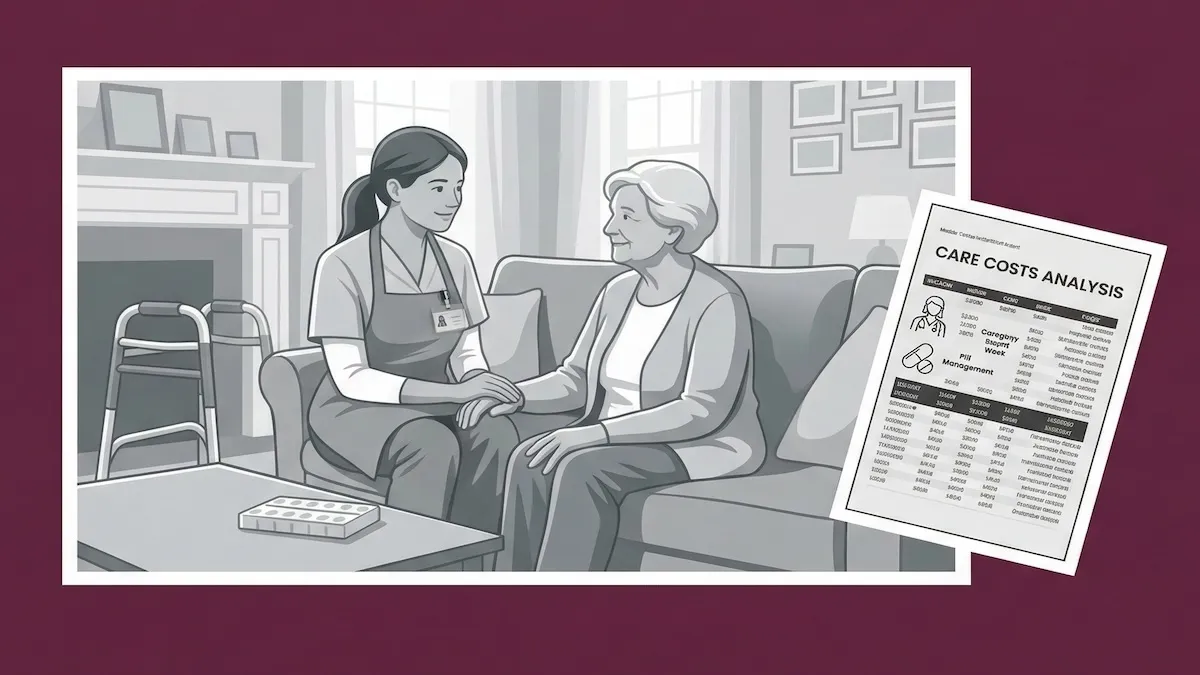
As the United States navigates a historic demographic shift characterized by a rapidly aging population, the responsibility of providing essential care is falling increasingly onto the shoulders of family members. A comprehensive new study from the Pew Research Center, based on a survey of 8,750 U.S. adults, underscores the significant personal, financial, and emotional costs associated with this trend. The data reveals that approximately one in ten American adults currently serves as a caregiver for a parent aged 65 or older, while another 3% provide care for a spouse or partner in the same age bracket. As the "Silver Tsunami" continues to reshape the American landscape, the reliance on unpaid family labor has become a cornerstone of the nation’s long-term care infrastructure, albeit one that is showing signs of immense strain.
The intensity of these caregiving roles is directly correlated with the age of the recipient. Among adults with a parent aged 65 or older, 24% identify as caregivers; however, this figure surges to 31% when the parent reaches the age of 75. A similar pattern is observed in spousal care, where the share of caregivers rises from 21% for those with partners aged 65 to 74 to 32% for those with partners 75 and older. This escalating demand for support is occurring at a time when professional in-home care costs are reaching record highs, forcing many families to choose between exhausting their retirement savings or stepping into the role of primary caregiver themselves.
The Socioeconomic and Gender Divide in Caregiving
The Pew Research Center findings highlight a stark disparity in who assumes caregiving responsibilities, revealing that the burden is not distributed equally across income levels or genders. Lower-income adults are significantly more likely to provide care than their wealthier counterparts. Specifically, 39% of lower-income adults with an aging relative serve as caregivers, compared to 23% of middle-income and only 16% of upper-income adults. This gap suggests that higher-income families are better positioned to outsource care to professionals, while lower-income families must provide the labor themselves due to the prohibitive costs of assisted living and private home health aides.
Gender also remains a defining factor in the caregiving landscape. Women are statistically more likely to take on these roles, with 28% of women with an aging relative identifying as caregivers compared to 23% of men. Beyond the frequency of care, the impact of these responsibilities varies significantly by gender. Female caregivers report higher levels of negative effects on their well-being; 47% of women helping a parent noted a decline in their emotional health, and 38% reported a negative impact on their physical health. In contrast, men were more likely to view the experience through a positive lens, with 36% reporting an improvement in their emotional well-being compared to just 21% of women. Analysts suggest this may be due to the differing nature of the tasks performed or the societal expectations placed on women to manage "invisible labor" within the household.
A Chronology of the Caregiving Crisis and Policy Evolution
The current state of family caregiving is the result of several decades of demographic and policy shifts. In the mid-20th century, the expansion of nursing home facilities provided a centralized, though often institutional, solution for aging populations. However, the late 20th and early 21st centuries saw a movement toward "aging in place," driven by both consumer preference and the rising costs of institutionalization.
- 1965: The establishment of Medicare and Medicaid provided a safety net, though Medicare’s limited coverage for long-term "custodial care" left a significant gap that families had to fill.
- 1990s-2000s: The "Sandwich Generation" emerged as a recognized demographic—adults caught between the demands of raising children and caring for aging parents.
- 2020-2022: The COVID-19 pandemic acted as a catalyst, exposing the vulnerabilities of congregate care settings and accelerating the trend toward home-based care.
- 2023-Present: Rising inflation and a shortage of healthcare workers have driven the cost of professional home care to nearly $30 per hour in many markets, making family caregiving a financial necessity for many.
This timeline reflects a gradual shift from institutional reliance to a fragmented, family-led model that currently lacks a robust federal support system. Recent political discourse, including proposals for expanded Medicare coverage for home-based services, reflects a growing recognition that the current model is reaching a breaking point.
The Daily Realities: From Errands to Medical Management
The scope of assistance provided by family caregivers is vast and often involves complex tasks that require significant time and expertise. According to the survey, 68% of those caring for a parent provide regular help with at least one major life task. The most common forms of support include:
- Logistics and Maintenance: 52% of parental caregivers regularly assist with errands, housework, or home repairs.
- Healthcare Navigation: 42% manage healthcare needs, including the scheduling of appointments and the complex administration of medications.
- Financial Oversight: 39% handle finances, such as budgeting, paying bills, and managing insurance claims.
- Personal Care: 16% provide "hands-on" personal care, such as bathing or dressing, a task that often carries the highest physical and emotional toll.
For those caring for a spouse, the breakdown is similar, with 66% providing regular help. These tasks often transform the family home into a quasi-medical facility, placing caregivers in roles they are frequently untrained for. This "medicalization of the home" is a primary driver of the emotional strain reported by nearly 40% of parental caregivers.
Financial Implications and the Housing Market
The economic consequences of caregiving extend beyond lost wages and career interruptions. Many seniors are now looking to their home equity to fund the support they need. The demand for reverse mortgages has seen a notable uptick as older Americans attempt to bridge the gap between their Social Security benefits and the actual cost of aging in place.
The Pew data shows that 93% of adults aged 65 and older currently live in their own homes, and 60% express a strong desire to stay there even if they require care. However, the financial feasibility of this preference is in question. Only 21% of older adults report having long-term care insurance, a product that has become increasingly expensive and difficult to obtain. Upper-income adults are more likely to consider assisted living (28%) as a viable alternative, whereas lower-income individuals often feel that moving in with family (58%) is their only realistic option for long-term support.
Broader Impact and Expert Analysis
The implications of this caregiving trend extend into the broader U.S. economy and healthcare system. Economists warn that the "caregiver penalty"—the loss of income and retirement contributions by family members who reduce their working hours to provide care—could have long-term effects on the financial security of the next generation of retirees.
"We are seeing a massive transfer of labor from the paid economy to the unpaid domestic sphere," says one social policy analyst. "When a daughter leaves the workforce to care for a mother with dementia, the GDP loses a worker, the government loses tax revenue, and the daughter loses her own path to a secure retirement. It is a compounding economic crisis."
Furthermore, the physical and emotional strain on caregivers often leads to "secondary patients." Caregivers themselves frequently experience higher rates of chronic conditions, such as hypertension and depression, which in turn places more demand on the healthcare system. The Pew data confirms this, showing that 33% of parental caregivers feel their physical health has suffered.
Conclusion: The Path Forward
The findings from the Pew Research Center suggest that while caregiving can strengthen family bonds—with 56% of parental caregivers reporting a positive impact on their relationship—the systemic weight of these responsibilities is becoming unsustainable. The reliance on family members to provide complex medical and personal care without adequate financial or professional support is a precarious foundation for an aging society.
As the population of those 75 and older continues to grow, the pressure on the housing market, the healthcare system, and family structures will only intensify. Future policy decisions regarding Medicare expansion, caregiver tax credits, and affordable housing for seniors will be critical in determining whether the "aging in place" ideal remains a viable reality or becomes a source of deepening inequality for American families. For now, the data paints a clear picture: the burden of care is a heavy one, borne largely by those with the fewest resources and the least support.
