

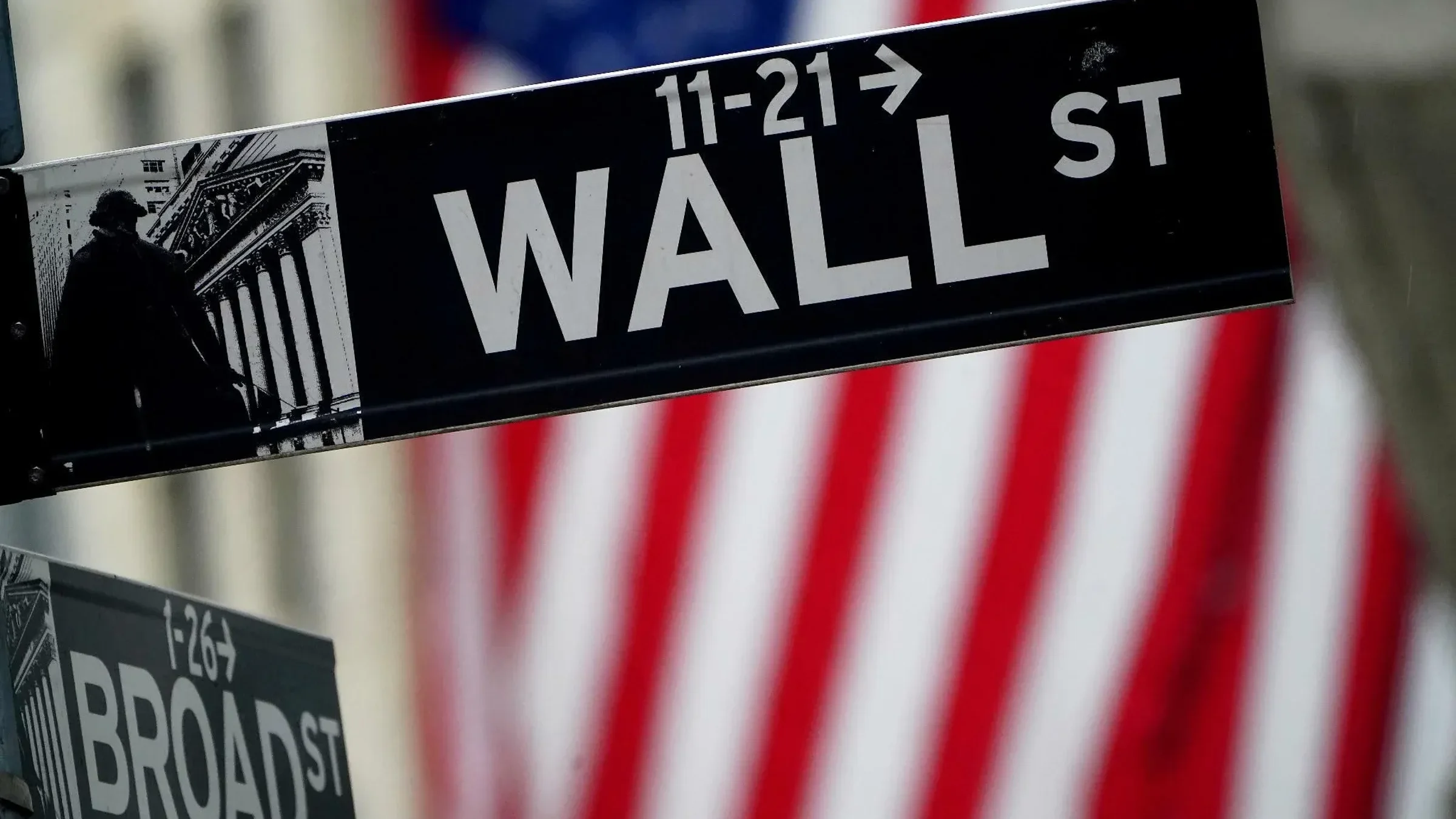
The Cboe Volatility Index (VIX), a key barometer of investor sentiment and expected market fluctuations, experienced a significant surge at the commencement of trading, reaching 31.5 points. This marks the highest intraday level observed since the spring of 2025, a period characterized by the imposition of substantial tariffs by then-U.S. President Donald Trump. While the VIX later receded to approximately 25 points by the close of the trading session, its initial ascent signaled heightened nervousness and uncertainty within financial markets. Readings above 20 are generally considered indicative of elevated market volatility and investor apprehension.
Unpacking the VIX: A Measure of Market Anxiety
The VIX, often referred to as the "fear index," measures the implied volatility of S&P 500 index options over the next 30 days. It is derived from real-time bid and ask prices of S&P 500 index options. A rising VIX suggests that investors are anticipating greater price swings, either upwards or downwards, and are therefore willing to pay more for options that protect against such movements. Conversely, a falling VIX indicates a period of relative market calm and lower expected volatility. The VIX’s rapid ascent to over 30 points, a level not seen in over a year, underscores a palpable shift in market psychology, moving from complacency to a state of heightened alert.
Historical Context: Echoes of 2025 Tariff Wars
The reference to the spring of 2025 is particularly significant. During that period, the global economic landscape was heavily influenced by a series of aggressive tariff impositions by the Trump administration. These measures, aimed at addressing perceived trade imbalances, triggered retaliatory tariffs from key trading partners, leading to a significant disruption in global supply chains, increased business uncertainty, and a palpable increase in market volatility. The VIX, during that tumultuous period, frequently traded above 20 and experienced sharp spikes, mirroring the uncertainty surrounding the future of international trade relations. The current surge in the VIX, reaching similar levels, suggests that new developments are reawakening these anxieties.
Triggers for the Recent Volatility Spike
While the specific catalyst for the VIX’s sharp rise in the most recent trading session was not immediately detailed in the initial report, market analysts are pointing to a confluence of factors that could be contributing to renewed investor nervousness. These may include:
- Escalating Geopolitical Tensions: Emerging or intensifying geopolitical conflicts can inject significant uncertainty into global markets, impacting energy prices, trade routes, and investor confidence.
- Shifting Monetary Policy Expectations: Any indications of unexpected changes in central bank interest rate policies, such as a premature tightening or a delayed easing cycle, can lead to market repricing and increased volatility.
- Corporate Earnings Disappointments: A wave of negative corporate earnings surprises, particularly from major bellwether companies, can signal broader economic headwinds and trigger sell-offs.
- Renewed Trade Disputes: The possibility of new or escalating trade disputes, perhaps involving major economies or critical sectors, would naturally reignite the anxieties seen in 2025.
- Economic Data Surprises: Unexpectedly weak or strong economic data releases from major economies can prompt significant market adjustments.
The fact that the VIX reached its highest point since the 2025 tariff period suggests that the current concerns are resonating with the same level of market apprehension experienced during that time.
Chronology of the Trading Day
The trading session in question likely began with a sharp uptick in the VIX, indicating immediate investor concern upon market open. This initial surge, reaching 31.5 points, reflects a rapid reassessment of risk by market participants. As the day progressed, the VIX experienced a moderation, settling around 25 points. This decline, while still above the 20-point threshold, suggests that some of the initial panic may have subsided, possibly due to a clearer understanding of the situation, reassurances from policymakers, or a natural rebalancing of portfolios. However, the fact that it remained elevated throughout the day signifies that underlying concerns persist.
A potential timeline of events could be visualized as follows:
- Pre-Market Open: News or data emerges, signaling potential market-moving developments.
- Market Open: Significant selling pressure emerges, driving down stock prices and pushing the VIX sharply higher to 31.5.
- Mid-Morning: Market participants begin to digest information, potentially seeking clarification or reassessment. Volatility may remain high but begin to stabilize.
- Afternoon Trading: Further developments or statements may lead to a partial retracement of the VIX, bringing it down to approximately 25.
- Market Close: The VIX settles at its closing level, reflecting the overall sentiment of the day, which remains one of heightened caution.
Supporting Data: VIX Levels and Market Performance
To provide further context, it is useful to examine historical VIX data and its correlation with market performance:
- VIX Above 20: Generally considered a sign of elevated market volatility and increased investor nervousness. Periods with VIX above 20 often coincide with market corrections or downturns.
- VIX Above 30: Indicates significant fear and uncertainty in the markets. Such levels have historically been associated with periods of sharp sell-offs and heightened risk aversion. The last sustained period of VIX readings above 30 was during the early stages of the COVID-19 pandemic in March 2020, and also during the aforementioned trade war escalation in 2025.
- S&P 500 Performance: During periods of high VIX, the S&P 500 index typically experiences downward pressure. For instance, during the tariff wars of 2025, the S&P 500 saw significant fluctuations. A VIX of 31.5 suggests that the S&P 500 likely experienced substantial intraday price swings and a net decline during the trading session. Further data would be needed to confirm the exact percentage change of the S&P 500 on this particular day.
Potential Reactions and Statements
While direct quotes from officials or market participants are not available in the initial report, it is reasonable to infer potential reactions:
- Market Analysts and Strategists: Would likely be issuing statements to clients, attempting to explain the drivers of the volatility and offering guidance on navigating the uncertain environment. These might include calls for caution, diversification, and a focus on defensive assets.
- Government Officials: Depending on the nature of the trigger, officials from economic or trade ministries might issue statements aimed at calming markets, providing clarification on policy, or addressing concerns directly.
- Central Bank Representatives: If the volatility is linked to monetary policy expectations, central bankers might offer remarks to clarify their stance or reassure markets about their commitment to price stability.
- Business Leaders: CEOs and industry heads might express concerns about the impact of uncertainty on their operations and investment plans, particularly if trade or geopolitical issues are the primary drivers.
Broader Impact and Implications
The surge in the VIX has several important implications for investors and the broader economy:
- Increased Investment Risk: Higher volatility translates to a higher risk for investors. The potential for larger price swings means that investments can lose value more rapidly, making risk management paramount.
- Impact on Investment Strategies: Investors may shift towards more defensive assets, such as bonds, gold, or dividend-paying stocks, which are perceived as safer havens during times of uncertainty. Growth-oriented or speculative investments may become less attractive.
- Economic Uncertainty: Elevated market volatility often reflects underlying economic uncertainty. This can dampen consumer and business confidence, leading to reduced spending and investment, which can slow economic growth.
- Options Market Activity: The VIX’s rise indicates increased demand for options, particularly put options, which are used to hedge against potential price declines. This can lead to higher option premiums.
- Potential for Policy Responses: If the volatility persists and is linked to specific economic or geopolitical issues, it could prompt policymakers to consider various interventions, ranging from fiscal stimulus to diplomatic efforts, to stabilize markets and restore confidence.
The return of the VIX to levels not seen since a period of significant trade friction serves as a stark reminder of the fragility of market stability and the profound impact that geopolitical and economic uncertainties can have on investor sentiment. As the market digests the latest developments, the focus will undoubtedly remain on identifying the precise causes of this renewed nervousness and assessing the potential for a sustained period of elevated volatility. The ability of policymakers and market participants to effectively address these concerns will be crucial in determining the future trajectory of financial markets.
