

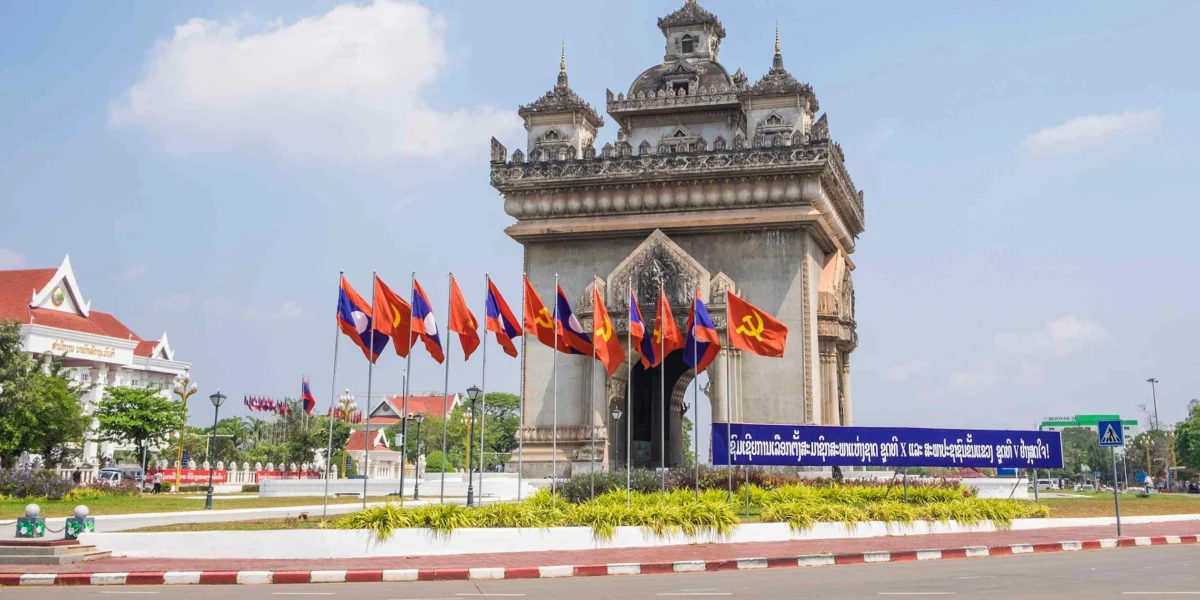
Laos is on the cusp of a significant milestone, preparing to graduate from its classification as a "least developed country" (LDC) after years of dedicated effort and strategic planning. This transition, slated for November 22, 2026, marks a pivotal moment in the nation’s development trajectory. However, as Laos steps into this new era, it faces considerable challenges in building sustained economic resilience and enhancing overall productivity, issues that have already prompted neighboring nations like Nepal and Bangladesh to seek extensions to their LDC status. The impending graduation necessitates a recalibration of Laos’s economic policies and international engagement to ensure a smooth and prosperous future.
Laos’s Graduation: A Milestone and a New Set of Hurdles
The United Nations designates LDC status based on three criteria: low income, human asset development, and economic and environmental vulnerability. Graduation signifies a country’s progress in meeting these benchmarks, generally indicating improved living standards, stronger social services, and a more diversified economy. For Laos, this signifies a considerable achievement, reflecting years of focused development initiatives aimed at poverty reduction, infrastructure improvement, and human capital enhancement.
However, the transition is not without its complexities. LDCs benefit from preferential trade agreements, access to specific development assistance, and waivers from certain international obligations. Graduating from this status means these advantages will gradually be phased out. Therefore, a primary challenge for Laos will be to cultivate a robust domestic economy capable of competing on the global stage without these established safety nets. Building economic resilience – the capacity of the economy to withstand and recover from shocks – will be paramount. This involves diversifying export markets, fostering domestic industries, and strengthening financial institutions.
Enhancing productivity across all sectors, from agriculture to manufacturing and services, is another critical objective. This requires significant investment in technology, skills development, and efficient resource management. Without a substantial increase in productivity, Laos may struggle to maintain its competitive edge and achieve sustainable growth. The government has indicated its commitment to addressing these challenges through a series of policy reforms and strategic investments, aiming for a "smooth and sustainable transition."
Regional Context: Nepal and Bangladesh Seek Extensions
The experience of other nations in their LDC graduation journeys offers valuable insights and cautionary tales. Both Nepal and Bangladesh were also slated for graduation but have recently been granted three-year extensions. This decision underscores the significant adjustments required to navigate the post-LDC landscape.
Nepal, facing economic headwinds and striving to integrate its development gains, sought additional time to adapt to the implications of graduation. Its Prime Minister, Pushpa Kamal Dahal, has been actively engaging with international partners to secure support for its development agenda. The nation’s continued reliance on remittances and the need to bolster its industrial base are key concerns that necessitate careful planning and execution.
Similarly, Bangladesh has emphasized the need for more time to prepare for the loss of LDC-specific trade benefits, particularly concerning its vital garment export industry. The country has been working to diversify its export portfolio and enhance its manufacturing capabilities to mitigate the impact of losing preferential market access. The extensions granted to these nations highlight the intricate economic and trade considerations that accompany LDC graduation.
Your Week in Asia: Key Developments and Data
Beyond Laos’s impending graduation, this week’s "Your Week in Asia" briefing highlights several other significant events and data releases shaping the region’s economic and political landscape.
Monday: Diplomatic Engagements and Economic Reporting
On Monday, the focus will be on a crucial diplomatic visit as Nepal’s Prime Minister, Balendra Shah, arrives in New Delhi for a two-day official bilateral visit. This marks his first such visit abroad since assuming office in March. The agenda is expected to include discussions on a substantial economic package, potentially worth around $2 billion, encompassing concessional loans for infrastructure development and grants earmarked for road construction and flood reconstruction efforts. This visit underscores the vital economic ties between Nepal and its large neighbor, India, and highlights Nepal’s ongoing efforts to secure international financial support for its development initiatives.
Simultaneously, Vietnam will host a series of high-level meetings under the Comprehensive and Progressive Agreement for Trans-Pacific Partnership (CPTPP) through Friday. These gatherings will bring together ministers from CPTPP member economies, as well as representatives from the European Union and ASEAN, to deliberate on avenues for enhanced trade and investment cooperation. The week’s proceedings will culminate in a CPTPP Commission meeting and a subsequent media conference, signaling progress in regional economic integration and trade liberalization.
Indonesia’s sovereign wealth fund, Danantara, is set to release its inaugural annual report for the 2025 fiscal year, the year of its establishment. The fund, tasked with overseeing the nation’s state-owned enterprises, has attributed the delay in its report to a mandatory audit by Indonesia’s Supreme Audit Agency. This report will be closely watched for insights into the fund’s initial performance and strategic direction.
Key economic data releases for Monday include Singapore’s inflation figures, India’s Purchasing Managers’ Index (PMI), and Taiwan’s unemployment rate. These indicators will provide crucial insights into the current economic health and forward-looking sentiment in these significant Asian economies.
Tuesday: Laos’s Graduation and Corporate Earnings
Tuesday marks the official graduation of Laos from LDC status. The nation has been actively preparing for this transition, reaffirming its commitment to strengthening its economic resilience and ensuring a seamless shift. This day represents a culmination of years of effort and the beginning of a new chapter defined by increased self-reliance and global economic integration.
In the corporate world, Chinese technology giant Xiaomi is scheduled to release its earnings report. Investors will be keen to assess the company’s performance, particularly in the competitive smartphone and consumer electronics markets.
Economic data for Tuesday includes Singapore’s Gross Domestic Product (GDP) figures, providing an overview of the city-state’s economic growth. Thailand’s auto sales data will offer insights into the health of its automotive sector, a key component of its economy. Japan’s PMI will also be released, indicating manufacturing sector activity.
Wednesday: Global Retailer Earnings
Wednesday’s corporate calendar features the earnings release of Shein, the fast-fashion behemoth. The company’s performance will be scrutinized for trends in global e-commerce and consumer spending habits.
Thursday: Tata Sons Board Meeting and Monetary Policy Decisions
A significant development is anticipated on Thursday with the board meeting of Tata Sons, the parent company of India’s preeminent conglomerate. This meeting is taking place amidst palpable internal dissent regarding leadership and a potential initial public offering (IPO). The previous board session witnessed a notable clash between Noel Tata, chairman of the charitable trusts that hold ownership of Tata Sons, and other board members concerning the reappointment of the long-serving Chairman, N. Chandrasekaran. Mr. Chandrasekaran is known to advocate for the company’s public listing.
The gathering on Thursday is expected to see Noel Tata present a proposal for restructuring the entity. This move is reportedly aimed at circumventing central bank regulations that mandate the listing of such companies on public markets. Additionally, the board may address a payment of approximately 250 billion rupees ($2.7 billion) to SP Group, a real estate conglomerate and the second-largest shareholder. This situation underscores the complex governance dynamics and strategic decisions facing one of India’s oldest and most influential business houses.
In South Korea, the central bank will convene its regular monetary policy meeting. Analysts widely predict an increase in the key interest rate to 3.25%. This anticipated move is driven by robust growth forecasts, which are largely fueled by an ongoing export boom in the country. The decision will be closely watched for its implications on inflation and economic activity.
Economic data releases for Thursday include Singapore’s manufacturing index and Hong Kong’s trade figures, offering insights into these key regional economies.
Friday: Indonesia’s Economic Outlook and Tech Earnings
Bank Indonesia is scheduled to hold its annual meeting, where it will present its economic outlook for Southeast Asia’s largest economy. The meeting will provide an overview of current economic conditions, outline the challenges confronting the central bank, and detail its policy priorities for the upcoming year. Indonesian President Prabowo Subianto is slated to deliver remarks, and businesses and investors will be keenly observing for signals regarding the government’s economic agenda and policy direction.
Tech giant Meituan will release its earnings report, offering insights into the performance of China’s online services sector.
Economic data for Friday includes the Philippines’ trade figures and Taiwan’s GDP, providing updates on economic performance in these nations.
Saturday: Taiwan’s Crucial Local Elections
On Saturday, Taiwan will hold its mayoral and county elections, a significant event that will see nearly 20 million eligible voters cast their ballots for mayors, councilors, and other local officials. These elections are being viewed as a critical test for President Lai Ching-te’s administration and the main opposition Kuomintang party and its allies. The results will offer a barometer of public sentiment ahead of the presidential contest, which is little more than a year away. The mayoral races in Taipei and New Taipei, traditionally strongholds of the Kuomintang, are expected to be particularly competitive.
Sunday: Sri Lanka’s Inflation Data
The week concludes with the release of Sri Lanka’s inflation data on Sunday. In a nation that has recently navigated severe economic challenges, these figures will be closely monitored for signs of stabilization and the ongoing impact of economic reforms.
Broader Implications of LDC Graduation
Laos’s graduation from LDC status, while a testament to its progress, signifies a fundamental shift in its engagement with the global economic system. The country must now rely more heavily on its own economic drivers and strategic partnerships to foster continued growth. This transition presents an opportunity to accelerate reforms, attract more diversified foreign investment, and strengthen domestic capacity.
The challenges faced by Laos, Nepal, and Bangladesh in this regard highlight the complex and often delicate nature of development transitions. Successful graduation requires not only meeting the UN’s quantitative criteria but also building the institutional capacity and economic structures necessary to thrive in a competitive global marketplace. The international community’s continued support, through targeted development assistance and favorable trade arrangements during the transition period, will remain crucial. Laos’s journey ahead will be a critical case study in the ongoing evolution of developing economies in Asia and beyond.
