

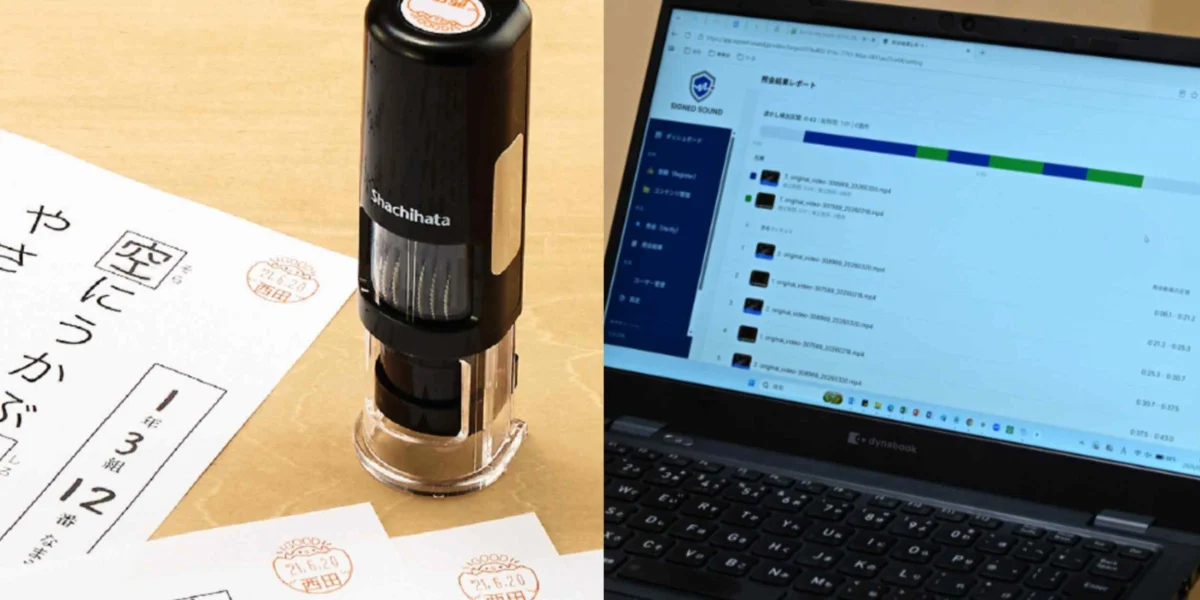
NAGOYA, Japan — In a bold pivot to counter the erosion of its traditional hanko market and address a burgeoning digital threat, Shachihata Inc., a venerable Japanese maker of carved seals used for official signatures, is set to launch an innovative service later this month designed to detect manipulated video content on the social media platform X. This strategic move underscores the company’s commitment to finding new avenues for growth by applying its expertise in unique identification technologies to the pressing challenge of digital disinformation. The service, which leverages acoustic watermarking and "fingerprinting" techniques, aims to provide users with a tool to verify the authenticity of video content circulating on X, a platform that has become a significant battleground for information and misinformation.
The decline of the hanko, or personal seal, market in Japan is a well-documented phenomenon, driven by the relentless march of digitalization and a growing preference for digital signatures. For centuries, the hanko has been an indispensable part of Japanese administrative and personal life, serving as a legally recognized mark of authentication on everything from contracts and official documents to personal correspondence. However, the widespread adoption of electronic document systems and the increasing acceptance of digital signatures have steadily chipped away at the demand for these traditional seals. Data from the Japan Personal Seal Industry Association indicates a significant downward trend in hanko sales over the past decade, with projections suggesting a continued contraction as younger generations become more accustomed to digital workflows. This decline presents a substantial challenge for companies like Shachihata, which have built their legacy and business model around the production and sale of these personalized stamps.
Shachihata’s foray into digital verification technology is not an entirely unexpected evolution. The company has long been at the forefront of innovation in creating unique identifiers, a core competency developed through its extensive experience in crafting personalized hanko. The precision and individuality required to carve a unique seal for each customer have instilled in Shachihata a deep understanding of creating and verifying unique data points. This inherent expertise, coupled with a forward-thinking strategic vision, has enabled the company to explore applications beyond its traditional product line. The development of acoustic watermarking and fingerprinting represents a sophisticated extension of this capability, translating the concept of a unique, verifiable mark from a physical object to digital media.
The Genesis of a Digital Defense
The impetus for Shachihata’s new service appears to stem from a confluence of factors: the persistent decline in its core business and the escalating global concern over the proliferation of deepfakes and manipulated videos, particularly on social media platforms. The increasing sophistication of artificial intelligence (AI) has made it easier than ever to create highly convincing fake videos, often referred to as deepfakes, which can be used to spread misinformation, damage reputations, and sow discord. Platforms like X, with their vast reach and rapid dissemination of information, have become prime environments for such content to spread.
While Shachihata has not publicly detailed a specific incident that triggered this initiative, the broader context of growing anxieties surrounding AI-generated disinformation provides a clear backdrop. Reports from cybersecurity firms and media watchdogs have consistently highlighted the rise in deepfake prevalence, estimating significant increases year-over-year in the detection of manipulated media across various online platforms. This growing threat landscape has created a demand for reliable tools that can help individuals and organizations discern truth from falsehood in the digital realm.
Shachihata’s approach centers on embedding imperceptible acoustic watermarks into original video and audio content at the point of creation. These watermarks act as a digital signature, a unique "fingerprint" that can be detected by Shachihata’s proprietary algorithms. When a video is uploaded to X, or any other platform where the service is integrated, the system can analyze it for the presence of this watermark. If the watermark is absent, or if it has been altered in a way that is inconsistent with the original embedding, the system can flag the video as potentially manipulated.
A Chronology of Innovation and Adaptation
Shachihata’s journey towards this new digital frontier can be traced through a series of strategic decisions and technological advancements:
- Early 2010s: As the impact of digitalization on the hanko market becomes increasingly apparent, Shachihata begins exploring diversification strategies and investing in research and development for new technologies.
- Mid-2010s: The company likely initiates foundational research into digital identification and authentication technologies, drawing parallels between the uniqueness of a hanko and the need for verifiable digital identities. This period may have seen the initial conceptualization of embedding unique identifiers within digital media.
- Late 2010s – Early 2020s: Advancements in AI and the growing concern over deepfakes create a more pressing need for such technologies. Shachihata intensifies its R&D efforts, focusing on acoustic watermarking and audio fingerprinting as robust methods for digital content verification. This phase likely involves significant breakthroughs in algorithmic development and testing.
- 2023-2024: Shachihata begins formalizing its strategy for a commercial rollout, potentially engaging in pilot programs or partnerships to test the efficacy and scalability of its solution. Discussions with platforms like X may have commenced during this period.
- November 2026: The planned launch of the new service, marking a significant step in Shachihata’s transformation from a traditional seal maker to a provider of digital authenticity solutions.
Supporting Data and Industry Context
The effectiveness of Shachihata’s initiative is contextualized by several key data points and industry trends:
- Deepfake Growth: While precise figures vary, reports from organizations like the Deepfake Detection Initiative and cybersecurity firms consistently indicate an exponential rise in deepfake content. Some analyses suggest that the number of identified deepfakes has increased by hundreds of percentage points annually in recent years. This rapid growth highlights the urgent need for robust detection mechanisms.
- Platform Responsibility: Social media platforms, including X, are under increasing pressure from regulators, advertisers, and the public to address the spread of misinformation and harmful manipulated content. This pressure creates an incentive for platforms to integrate third-party verification tools. X, in particular, has been navigating complex challenges related to content moderation and authenticity since its acquisition by Elon Musk, making the adoption of new verification technologies a potentially attractive proposition.
- Market for Verification Tools: The global market for digital content verification and authentication solutions is expanding rapidly. As businesses and individuals become more aware of the risks associated with manipulated media, the demand for tools that can ensure content integrity is projected to grow significantly in the coming years, with market research firms forecasting multi-billion dollar valuations for this sector.
Potential Reactions and Inferred Statements
While official statements from X regarding potential integration or partnership with Shachihata are not yet available, the company’s move can be analyzed in the context of typical platform responses to such innovations:
- X (formerly Twitter): A spokesperson for X might express openness to exploring technologies that enhance user trust and combat misinformation. Such a statement would likely emphasize X’s commitment to platform integrity and user safety, while also highlighting the need for scalable and effective solutions. They might also acknowledge the challenges of content moderation and the potential benefits of advanced detection tools.
- Cybersecurity Experts: Industry analysts would likely view Shachihata’s initiative as a positive development, particularly if the technology proves to be robust and reliable. They might comment on the innovative application of acoustic fingerprinting, a technique that has shown promise in other areas of digital security, and its potential to complement existing detection methods.
- Media Organizations and Fact-Checkers: These entities would likely welcome any tool that aids in the verification of news content and helps combat the spread of false narratives. They might express hope for widespread adoption and integration of Shachihata’s service to improve the overall information ecosystem.
Broader Implications and the Future of Authenticity
Shachihata’s strategic pivot carries significant implications, not only for the company itself but also for the broader landscape of digital authenticity and media consumption.
For Shachihata: This move represents a crucial diversification strategy, allowing the company to leverage its core competencies in a rapidly growing technology sector. Success in this venture could reposition Shachihata as a key player in the digital security and verification market, offsetting the long-term decline of its traditional hanko business. It demonstrates an adaptability and foresight that is essential for long-term corporate survival in an era of rapid technological change. The company’s ability to translate its expertise in unique physical identifiers to the digital realm is a testament to its innovative spirit.
For the Digital Information Ecosystem: The widespread adoption of effective content verification tools like Shachihata’s could have a profound impact on the fight against disinformation. By providing users with greater confidence in the authenticity of the videos they consume, such services can help to mitigate the spread of harmful narratives, protect individuals and institutions from reputational damage, and foster a more trustworthy online environment. This is particularly critical as AI-generated content becomes increasingly indistinguishable from reality.
For the Future of Verification: Shachihata’s approach, focusing on embedding unique identifiers at the source, represents a proactive rather than reactive strategy for combating manipulated media. This "birth certificate" for digital content, as it were, offers a more robust defense than solely relying on post-hoc detection methods, which are often engaged in an arms race with ever-evolving AI generation techniques. The success of this acoustic fingerprinting method could pave the way for similar innovations in other forms of digital media, such as images and text.
However, challenges remain. The effectiveness of Shachihata’s service will depend on its ability to achieve widespread adoption by content creators and platforms. Furthermore, the ongoing evolution of AI means that detection technologies must constantly adapt. The company’s commitment to continuous research and development will be paramount in staying ahead of sophisticated manipulation techniques. The integration process with platforms like X will also be critical, requiring robust APIs and seamless user experiences.
Ultimately, Shachihata’s journey from crafting personal seals to defending against digital deception is a compelling narrative of adaptation and innovation. It highlights how established companies, by understanding and extending their core strengths, can not only survive but thrive in the face of technological disruption, contributing meaningfully to the integrity of the digital world. The company’s initiative offers a beacon of hope in the ongoing battle for truth in the digital age, demonstrating that even seemingly traditional businesses can find powerful new relevance by embracing cutting-edge technology.
