

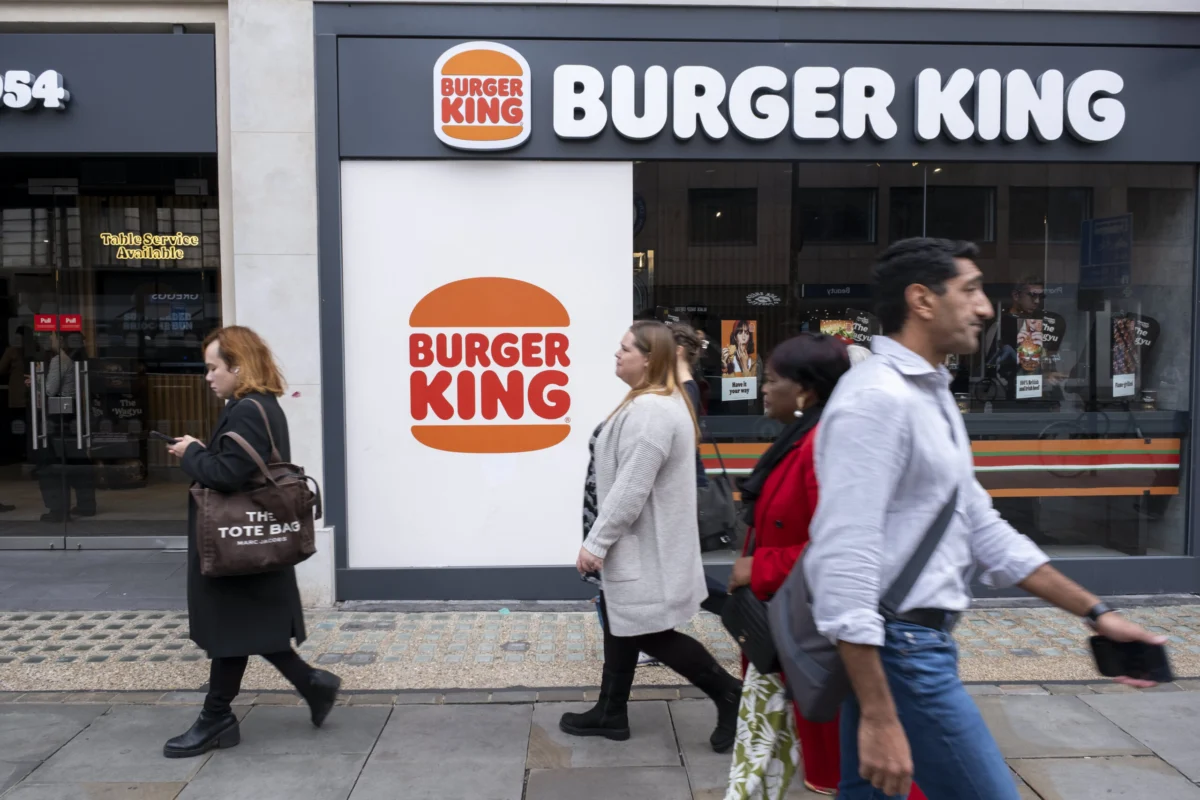
Across the highly competitive restaurant industry, a profound strategic realignment is underway, as leading chains shift their primary focus from merely offering "value" to emphasizing enhanced food quality and superior taste profiles. This significant pivot marks a critical response to a transformed consumer landscape, where diners, increasingly discerning and budget-conscious, are demanding more than just competitive pricing from their dining experiences. The change is evident in ambitious menu overhauls, from Burger King’s juicier chicken tenders and revamped sauces to Wendy’s richer Frosties and improved bacon, signaling a collective belief that a superior product is the ultimate differentiator in securing long-term customer loyalty and sustainable growth.
Over the past two years, the quick-service and fast-casual sectors have grappled with a noticeable contraction in dining frequency. Data from Black Box Intelligence, a prominent industry analytics firm, reveals a consistent trend: consumers are eating out less often and have become significantly pickier about their culinary choices. This shift is not arbitrary; it is deeply rooted in broader macroeconomic factors. Persistent inflationary pressures have eroded household purchasing power, making every discretionary spend, including restaurant meals, subject to greater scrutiny. Consequently, the previous industry buzzword, "value," which dominated executive discussions and investor calls for years, has evolved beyond simple menu pricing. While initially interpreted as deep discounts, bundled meals, and loyalty program perks designed to drive traffic, many chains are now recognizing that a low price point alone is insufficient if the underlying product fails to meet escalating quality expectations.
This redefinition of value now encompasses the intrinsic quality of the food itself. Industry CEOs are increasingly turning to their corporate culinary teams, challenging them to innovate and refine menu items in a bid to surpass rivals on taste and overall dining satisfaction. While promotional offers and temporary discounts can indeed provide short-term boosts in foot traffic, the sustainability of a restaurant’s growth trajectory, along with the crucial profitability of its franchisees, ultimately hinges on the quality and appeal of its core offerings. This strategic imperative has been a recurring theme in recent quarterly earnings conference calls, with executives from diverse chains like Wendy’s and Chipotle Mexican Grill touting new or forthcoming improvements to their flagship menu items.
For instance, Chipotle CEO Scott Boatwright, speaking to analysts in late October, highlighted the perceived enhancement of the burrito chain’s brisket, which made a limited-time return to menus. "We think the product’s improved and even better," Boatwright stated, underscoring the brand’s commitment to refining its offerings even in categories that already enjoy consumer favor. Such statements reflect a broader industry consensus that a revitalized menu is not just a tactical adjustment but a fundamental pillar of future success.
The Turnaround Playbook: Quality as a Catalyst for Revival
For several prominent restaurant chains, the pursuit of better-tasting food is not merely an incremental improvement but a foundational element of ambitious, large-scale turnaround strategies. These brands, facing significant headwinds, are banking on culinary excellence to reignite sales and redefine their market position.
Wendy’s, a venerable name in the burger segment, publicly unveiled a comprehensive five-part turnaround strategy in early November, with "quality food at real value" standing as a central pillar. The announcement coincided with a challenging period for the company, as it reported its seventh consecutive quarter of same-store sales declines. On the same day, Wendy’s decisively rejected a $1.4 billion takeover proposal led by Nelson Peltz’s Trian Partners, asserting that the bid failed to account for the substantial value its new turnaround plan was poised to unlock. Wendy’s CEO Bob Wright outlined a series of concrete menu enhancements designed to improve both the quality and "craveability" of its core items. These initiatives include the introduction of thicker, crispier bacon, a richer and creamier Frosty dessert, the use of whole leaf lettuce on sandwiches, and improved salad formulations. These changes are not simply cosmetic; they represent a significant investment in ingredients and preparation, aiming to elevate the overall customer experience and justify a potential premium perception.
The efficacy of a quality-driven turnaround is not without precedent. The industry often points to Domino’s Pizza’s remarkable transformation in 2009 as a prime example. Facing declining sales and widespread public criticism of its product, Domino’s undertook a radical and candid self-assessment. The company famously acknowledged past shortcomings, even launching advertising campaigns that openly compared its previous crust to cardboard and its old sauce to ketchup. Crucially, this transparency was coupled with a substantive overhaul of its core recipe. The changes included a new, more flavorful sauce, the addition of garlic to its crust, and a switch to a shredded mozzarella blend with a hint of provolone. The impact was immediate and profound. In the subsequent year, 2010, Domino’s reported a staggering 9.9% growth in U.S. same-store sales, demonstrating that a commitment to quality, backed by honest communication, can indeed translate into significant market gains.
Drawing inspiration from this success story, a segment of the team responsible for the Domino’s turnaround is now applying a similar playbook to Burger King’s U.S. operations. The burger chain’s multi-year comeback plan is heavily anchored in revamping its core menu items. The initiative commenced earlier in the year with its flagship offering, the Whopper, which received an upgraded bun and a new mayonnaise formulation. Building on this momentum, September saw a comprehensive overhaul of its chicken nuggets, featuring a transition to 100% white meat, a crispier breading, and a more flavorful marinade. Concurrently, Burger King reformulated its accompanying sauces to complement the enhanced nuggets.
Josh Kobza, CEO of Burger King’s parent company, Restaurant Brands International (RBI), articulated the strategic approach behind these changes. "We’ve tried to look at our biggest categories first," Kobza explained to CNBC, adding, "We’ve also thought about the ones where the fixes are more straightforward and less operationally involved." This methodical approach appears to be yielding tangible results. Following these targeted improvements, Whopper sales experienced a double-digit percentage increase in the third quarter, as reported by Kobza during the company’s late October earnings call. Nugget sales saw an even more dramatic surge, climbing by over 35%. Collectively, these improvements contributed to a robust 8.4% jump in Burger King’s U.S. same-store sales for the quarter. Emulating Domino’s strategy, Burger King is leveraging direct and often humorous advertising campaigns that feature Burger King U.S. President Tom Curtis, a former Domino’s executive, directly addressing past customer grievances with the Whopper and nuggets. This transparency, coupled with noticeable product improvements, is designed to rebuild trust and re-engage a skeptical customer base.
Enhancing a Strength: Quality for Market Leaders
The drive for better-tasting food is not exclusively confined to chains undergoing significant turnarounds. Even financially robust brands that have enjoyed consistent growth are investing in menu enhancements, recognizing that maintaining a competitive edge in a dynamic market requires continuous innovation and a relentless focus on customer satisfaction. This proactive approach aims to solidify existing strengths and preempt potential challenges.
Chili’s Grill & Bar, for example, has demonstrated remarkable resilience and growth, with its same-store sales soaring by an impressive 52% over the past three years. Despite this strong performance, the chain, under the leadership of Brinker International CEO Kevin Hochman, is actively pursuing further improvements to its existing menu options. After successfully refining its baby back ribs, burgers, and nachos, Chili’s is now setting its sights on salads and steaks. Hochman revealed to CNBC that the company is exploring more sophisticated preparation methods, including "doing more dry aging of our beef to make it more tender, versus doing it in a plant." He acknowledged that this approach is "a little bit more expensive, but we think the taste is going to be a whole lot better." This investment in higher-quality ingredients and more refined preparation speaks to a commitment to elevating the casual dining experience, even for a brand already excelling.
Similarly, Applebee’s, a direct competitor in the casual dining segment, launched a juicier chicken tender during its latest quarter, as confirmed by John Peyton, CEO of parent company Dine Brands. Looking ahead to 2027, Applebee’s has ambitious plans to overhaul more of its protein options. Peyton emphasized the strategic importance of this focus: "We think proteins are, number one, our biggest opportunity. Number two, they’re a big focus of the way people are thinking about eating right now, leaning into proteins and a little bit less with the carbs." This insight reflects a broader consumer trend towards protein-centric diets, indicating that menu development is being informed by evolving dietary preferences and health consciousness.
Even global behemoth McDonald’s, while not in a full-blown turnaround mode like some rivals, is strategically investing in menu enhancements to address specific market segments and shore up areas of recent underperformance. The company is actively testing hand-breaded wings, strips, and a new chicken sandwich in a select number of Chicago-area restaurants, with plans to expand this trial to more locations in the U.S. and Ireland in early 2027. Beyond chicken, McDonald’s is also dedicating resources to improving its coffee offerings, focusing on fresher beans and upgraded equipment, as executives disclosed during the company’s investor day in September. Both chicken and coffee represent rapidly growing categories within the quick-service industry, presenting significant opportunities to boost sales beyond McDonald’s iconic beef burgers.
The U.S. business for McDonald’s has faced its own set of challenges in recent quarters, particularly after its previous "value strategy" did not generate the anticipated traction. In the third quarter, its U.S. same-store sales experienced a slight decline of 0.2%, signaling a need for strategic adjustments. Beyond menu experimentation, McDonald’s is placing a significant emphasis on comprehensive training programs to ensure the consistent quality and execution of its core menu items. In October, the company rolled out "Make It Golden," a multiyear training initiative targeting corporate employees, restaurant workers, and franchisees. This program underscores a crucial understanding: even the most innovative recipe changes and high-quality ingredients will fall short if they are not consistently and expertly executed at the restaurant level. The training aims to standardize processes, elevate preparation techniques, and ensure that every customer experience meets the brand’s high standards.
The Operational Challenge: Consistency and Execution
The industry’s pivot towards quality is not without its complexities. While the promise of better-tasting food is alluring, the operational challenges associated with implementing these changes across thousands of locations are substantial. New ingredients often come with higher costs, requiring careful supply chain management and potentially impacting profit margins if not strategically integrated. Furthermore, introducing new recipes or preparation methods demands extensive training for frontline staff, who are already operating in high-pressure, fast-paced environments. The "Make It Golden" initiative by McDonald’s exemplifies this recognition: improved menu items mean little if the recipe changes aren’t well executed, leading to inconsistent product delivery and ultimately, customer disappointment.
Franchisees, who bear the direct operational costs and risks, play a critical role in the success of these quality initiatives. Their willingness to invest in new equipment, adhere to more stringent preparation guidelines, and dedicate resources to staff training is paramount. The long-term profitability benefits, such as increased customer loyalty, higher average checks, and reduced customer complaints, are powerful incentives. However, initial capital outlays and potential increases in food costs can be points of contention, requiring robust communication and support from corporate headquarters.
Market Reactions and Future Outlook
The market’s reaction to this quality-driven resurgence has been largely positive, particularly for chains demonstrating tangible results. Burger King’s impressive Q3 sales figures after its Whopper and nugget revamp serve as compelling evidence that consumers are willing to respond to noticeable improvements. Analysts are closely watching these trends, often querying executives on their investment in product development and ingredient sourcing during earnings calls. The shift suggests a more sustainable path to growth compared to a race to the bottom on pricing, which can erode brand equity and franchisee profitability.
Looking ahead, this renewed emphasis on quality is likely to shape the competitive landscape for years to come. It could spur an "arms race" for culinary excellence, with chains continuously seeking to innovate and differentiate through superior taste. This trend also holds significant implications for suppliers, who will face increased demand for higher-grade ingredients and more specialized food products. For consumers, the outcome is potentially a more satisfying dining experience across the quick-service and fast-casual sectors, as restaurants strive to earn their loyalty through genuinely better food.
In conclusion, the restaurant industry is navigating a critical juncture, moving beyond a singular focus on price-driven "value" to embrace a more holistic definition that prioritizes food quality and taste. This strategic evolution is a direct response to a more discerning consumer base and the persistent pressures of the current economic climate. While the implementation presents operational challenges, the early successes of chains like Burger King and the proactive strategies of market leaders underscore a fundamental truth: in the competitive world of dining out, the actual product—its flavor, its texture, its overall quality—remains the most powerful ingredient for long-term growth and enduring brand appeal.
