

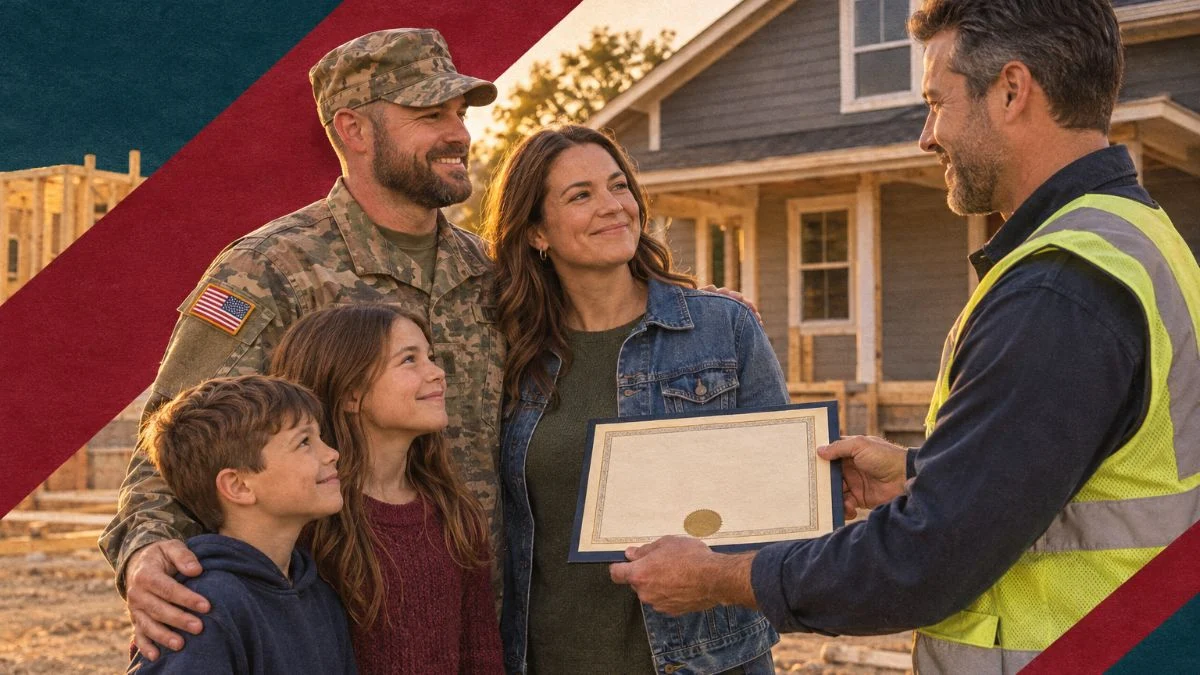
Across the United States, the residential construction industry has mobilized to mark Veterans Day through a series of high-impact initiatives aimed at addressing the unique housing and professional challenges faced by former service members. As the nation pauses to honor the sacrifices of military personnel, major national homebuilders and regional developers have unveiled a multi-faceted approach to support, ranging from the donation of mortgage-free homes to the implementation of workforce development programs designed to bridge the gap between military service and civilian careers. These efforts come at a critical time when housing affordability remains a significant hurdle for many transitioning veterans, despite the availability of government-backed resources such as VA loans.
The scale of these initiatives reflects a growing trend within the corporate sector to move beyond symbolic gestures and toward tangible, life-altering support. By partnering with established non-profit organizations like Operation Homefront and Operation Finally Home, the construction industry is leveraging its resources to provide stability for those who have served in conflicts ranging from the Vietnam War to more recent deployments in the Middle East.
Direct Home Donations and Strategic Partnerships
A cornerstone of this year’s Veterans Day observances is the gifting of newly constructed, mortgage-free homes to deserving veterans and their families. This movement is led by some of the largest players in the American housing market. PulteGroup, a prominent national homebuilder, announced a significant expansion of its charitable outreach in partnership with Operation Homefront. The company has gifted multiple new homes in diverse markets, including Anna, Texas; Wixom, Michigan; and Richmond Hills, Georgia. These donations are part of a long-standing commitment to provide permanent housing solutions for those who have sustained injuries or faced significant hardships during their service.
Meritage Homes has also continued its collaboration with Operation Homefront to address the housing needs of veterans in the Southeast. This year, the focus turned to Gulfport, Mississippi, where a brand-new, mortgage-free home was awarded to Navy Personnel Specialist 2nd Class Maggie Coleman. Coleman, a veteran with 13 years of service, was selected based on her dedication and the needs of her family. The property, a 2,000-square-foot residence featuring four bedrooms and three bathrooms, represents more than just a financial asset; it provides a foundation for long-term stability. In a statement following the announcement, Coleman emphasized the generational impact of the gift, noting that the home would serve as a sanctuary where her children could grow and build memories, a reality that often feels out of reach for many transitioning service members.
In Austin, Texas, the celebration took a celebratory and high-profile turn as Lennar partnered with Operation Finally Home and U.S. Army Reserve soldier and country music artist Craig Morgan. During a reception on Monday evening, where the veterans believed they were attending as honored guests, two military families were surprised with the news that they would be receiving brand-new, mortgage-free homes. This surprise delivery mechanism has become a hallmark of Operation Finally Home’s strategy, aiming to provide a moment of profound joy to accompany the life-changing news of debt-free homeownership.
Workforce Development and Civilian Reintegration
While homeownership provides immediate stability, the transition from military to civilian life often involves significant professional hurdles. Recognizing this, Invitation Homes recently announced a strategic partnership with the Home Builders Institute (HBI). This initiative is specifically designed to fund hands-on training, industry-recognized credentials, and job placement services for transitioning service members.
The logic behind this partnership is two-fold: it addresses the chronic labor shortage in the construction industry while providing veterans with a clear career path that utilizes their existing skill sets. Veterans often possess the discipline, leadership, and technical aptitude required in the trades, but they may lack the specific certifications or industry connections needed to enter the civilian workforce at a level commensurate with their experience. By funding these training programs, Invitation Homes and HBI are creating a pipeline that benefits both the veteran community and the broader economy. This initiative reflects a broader understanding that housing security is inextricably linked to sustainable employment.
Regional Incentives and Financial Support Programs
Beyond the donation of entire homes, many regional and smaller-scale builders are implementing targeted financial incentives to make homeownership more accessible to the broader veteran population. While these companies may not have the capital to gift properties outright, their cumulative impact across various markets is substantial.
In the Midwest, Taylor Homes—operating in Kentucky, Indiana, and Ohio—announced a doubling of its "We Salute You" bonus. Throughout the month of November, the company is offering a $2,000 price reduction on new homes for military members. Similarly, Tennessee-based Pratt Home Builders is offering a $3,000 savings package for veterans, active-duty military, and reservists during November and December. These funds are versatile, allowing buyers to apply the savings toward the purchase price, design upgrades, or essential appliances, thereby reducing the out-of-pocket costs associated with a new home purchase.

In the San Antonio market, a region with one of the highest concentrations of military personnel in the country, D.R. Horton has introduced its "Home of the Brave" program. This initiative offers up to $2,500 toward closing costs in select communities, providing a critical buffer for families navigating the complexities of real estate transactions. In Northern Colorado, Landmark Homes has implemented a $1,000 incentive for active-duty members and veterans, which can be combined with other ongoing promotions to maximize value.
The Pacific Northwest and Southeast also see significant activity. Hubble Homes in Idaho and Drees Homes in markets like Jacksonville, Florida, have established $2,500 "Homes for Heroes" discounts. In Charleston, South Carolina, David Weekley Homes provides $1,000 in "Flex Dollars" to military personnel, which can be used to customize homes to better suit the needs of the buyer.
The Broader Impact of "Hometown Hero" Initiatives
A notable trend in this year’s announcements is the expansion of military-specific programs into broader "Hometown Hero" initiatives. Many builders are now grouping veterans and active-duty military with other essential service providers, including teachers, police officers, firefighters, and emergency medical technicians. This inclusive approach recognizes the shared commitment to public service and the common financial challenges faced by those in these professions.
By broadening the scope of these discounts, homebuilders are positioning themselves as community-centric entities. This strategy not only honors veterans but also supports the essential workforce that maintains local infrastructure and safety. For many veterans who transition into careers as first responders or educators, these combined programs offer a continuous layer of support as they navigate different stages of their civilian lives.
Data and Economic Context of Veteran Homeownership
The initiatives launched this Veterans Day are set against a complex economic backdrop. According to data from the U.S. Census Bureau and the Department of Veterans Affairs (VA), veteran homeownership rates typically outpace the national average—approximately 78% compared to roughly 64% for the general population. However, this figure masks significant disparities among younger veterans and those with service-connected disabilities.
The VA loan program remains the primary vehicle for veteran homeownership, offering competitive interest rates and zero-down-payment options. Yet, in a high-interest-rate environment and a market characterized by low inventory, the "hidden costs" of buying a home—such as closing fees, moving expenses, and necessary upgrades—can still prove prohibitive. The private sector incentives provided by homebuilders this year are designed to fill these specific gaps, making the transition to homeownership smoother and more financially viable.
Furthermore, the focus on workforce development addresses a critical economic need. The Construction User Roundtable and other industry analysts estimate that the U.S. construction industry faces a shortage of more than 500,000 workers. By actively recruiting and training veterans, homebuilders are not only performing a social good but are also engaging in a strategic effort to stabilize their own labor pipelines.
Analysis of Implications and Future Outlook
The concerted efforts of the homebuilding industry this Veterans Day suggest a shift toward more sustainable, long-term support structures for the military community. Rather than one-off marketing campaigns, the focus on mortgage-free housing and professional training indicates a commitment to addressing the root causes of veteran instability: lack of capital and the difficulty of professional transition.
The success of these programs relies heavily on the synergy between private corporations and specialized non-profits. Organizations like Operation Homefront provide the vetting processes and social services expertise that builders lack, ensuring that resources reach those with the greatest need. As these partnerships mature, it is likely that we will see an increase in "built-to-suit" homes for veterans with specific physical disabilities, as well as more integrated job placement programs that begin months before a service member’s official discharge date.
In conclusion, the 2024 Veterans Day initiatives within the homebuilding sector represent a comprehensive response to the needs of the military community. By providing physical shelter, financial relief, and professional opportunity, the industry is playing a pivotal role in honoring the service of millions of Americans. As these programs continue to evolve, they serve as a blueprint for how corporate social responsibility can be effectively aligned with national gratitude and economic necessity. The impact of a mortgage-free home or a new career path extends far beyond a single holiday, providing a foundation for stability that will benefit veteran families for decades to come.
