

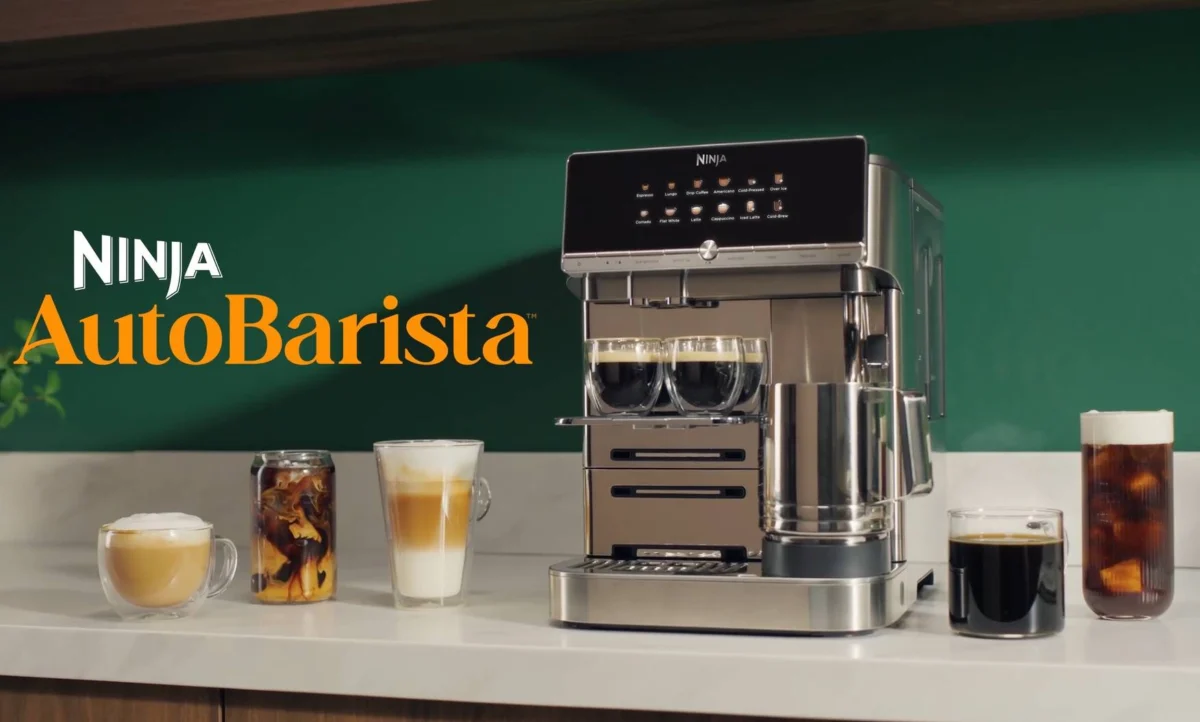
The Ninja AutoBarista Pro, a fully automatic espresso machine from SharkNinja, aims to revolutionize the home coffee experience by delivering café-quality beverages with unprecedented ease. Positioned as a comprehensive solution for diverse coffee preferences, the machine integrates several functionalities typically found in separate appliances, seeking to bridge the gap between convenience-oriented capsule systems and complex manual espresso setups. Priced at $999.99, it represents a significant investment in the burgeoning market for premium kitchen appliances, offering 13 different drink options accessible at the touch of a button.
Core Functionality and Technological Innovation: Grind iQ
At the heart of the AutoBarista Pro’s appeal is its proprietary "Grind iQ" technology. This intelligent system is designed to autonomously assess critical coffee bean characteristics, including size, roast type, and freshness. Based on this real-time analysis, Grind iQ dynamically calibrates essential brewing parameters: grind size, coffee weight, and dose for each shot. This automated precision extends to user customizations, adjusting parameters further when a user modifies the number of espresso shots, desired intensity, or temperature for their beverage. The goal is to eliminate the guesswork traditionally associated with espresso preparation, such as determining optimal tamping pressure, water temperature, or extraction timing—factors that even seasoned baristas meticulously control.
The development of such intelligent calibration systems reflects a broader trend in kitchen appliance innovation, where artificial intelligence and sensor technology are employed to simplify complex culinary processes. For consumers who appreciate high-quality coffee but lack the time, expertise, or desire to master the intricate mechanics of espresso extraction, Grind iQ offers a compelling proposition. It allows users to consistently achieve a desired flavor profile without needing to understand the granular details of coffee science, effectively democratizing access to expertly brewed espresso and espresso-based milk drinks.
Expanding the Home Coffee Shop Experience
The AutoBarista Pro is engineered to mimic the versatility of a professional coffee shop within a home environment. Beyond traditional espresso, it produces drip coffee and a range of popular espresso-and-milk beverages, including cappuccinos, lattes, and flat whites. Its capabilities also extend to more contemporary options, such as a "cold brew" or "cold-pressed espresso" function, which, when combined with ice, offers a cooler alternative to traditional hot preparations. This multi-functional design underscores Ninja’s established reputation for creating integrated kitchen solutions, a strategy that has seen the company successfully consolidate multiple appliances into single units across various product categories.
The machine’s dual-sided design facilitates this versatility. One side is dedicated to coffee preparation, housing the integrated grinder and espresso brewing mechanism. The other side features an automatic milk frother with a stainless steel pitcher, allowing for customized milk textures and temperatures. Crucially, it includes a dedicated setting for frothing plant-based milks, acknowledging the growing consumer demand for dairy alternatives and catering to a wider audience with diverse dietary preferences. This attention to detail in milk preparation is significant, as the quality of frothed milk is paramount to the overall enjoyment of espresso-based drinks.
Market Positioning and Target Demographics
The Ninja AutoBarista Pro enters a competitive and evolving market segment. The global coffee machine market was valued at approximately $10 billion in 2022 and is projected to grow steadily, driven by increasing coffee consumption, a rising preference for gourmet coffee, and the ongoing trend of at-home preparation. Within this market, fully automatic espresso machines occupy a premium niche, appealing to consumers seeking both convenience and quality without the steep learning curve of semi-automatic models.
The AutoBarista Pro is explicitly not aimed at the "coffee snob" demographic—individuals who revel in the manual control of every brewing variable, from bean origin to water mineral content. Instead, its target audience comprises coffee lovers who prioritize convenience, consistency, and variety. These consumers appreciate a well-made drink but may not have the inclination to analyze espresso pucks or fine-tune grind settings. The machine’s "bumper lane" approach to coffee making, as described by some, resonates with users who desire a high-quality outcome without the associated effort or specialized knowledge. This segment is substantial, representing a significant portion of the modern consumer base that values smart technology and effortless integration into daily routines.

Performance, Maintenance, and User Experience
Initial assessments of the AutoBarista Pro generally commend its ability to produce good-quality beverages, particularly given its automated nature. The convenience of having a diverse menu of drinks available at the press of a button is a significant draw. However, like any sophisticated appliance, the AutoBarista Pro presents specific considerations regarding daily maintenance and long-term care.
A key design feature for maintaining beverage quality is the machine’s automatic rinsing cycle, which cleans internal components before and after each brew. This self-cleaning function is beneficial for hygiene and flavor preservation, especially for users who do not operate the machine daily. However, this feature, while practical, contributes to the rapid filling of the machine’s drip tray. Reports indicate that the drip tray may require emptying after only a few drinks, potentially becoming a daily chore in multi-person households. While the tray’s design allows for easy removal, instances of accidental overfilling and spillage highlight a potential usability challenge that could detract from the otherwise seamless experience.
Furthermore, the machine includes a knock box for collecting spent espresso pucks. Proper maintenance dictates regular emptying of this container to prevent mold growth, a common issue in humid environments where coffee grounds are left to sit. Neglecting this task, even for a few days, can lead to unsanitary conditions and necessitate more rigorous cleaning. These maintenance aspects, while standard for espresso machines, contrast sharply with simpler coffee brewing methods like cold brew systems, which typically require less frequent and less involved cleaning routines. For individuals accustomed to minimal morning rituals, these daily or near-daily maintenance requirements might pose a minor inconvenience.
Competitive Landscape and Value Proposition
The fully automatic espresso machine market features several established players, including De’Longhi, Jura, Philips, and Breville, all offering a range of machines with varying features and price points. Brands like Jura are renowned for their premium, high-end machines that often exceed the $1,000 mark, offering extensive customization and self-cleaning functions. De’Longhi and Philips provide a broader spectrum, from entry-level automatics to more advanced models. Breville, known for its barista-focused machines, also offers integrated grinder models that automate aspects of the brewing process.
The Ninja AutoBarista Pro’s $999.99 price point places it squarely in the mid-to-high end of this competitive landscape. Its value proposition lies in its multi-functionality, combining a drip coffee maker, espresso machine, coffee grinder, and milk frother into a single unit. For consumers looking to consolidate kitchen appliances and save counter space, this integrated design can be highly appealing. Compared to purchasing separate high-quality drip coffee makers, espresso machines, and grinders, the AutoBarista Pro might present a cost-effective alternative for comprehensive coffee preparation. However, for users who primarily desire one specific type of coffee (e.g., exclusively cold brew or only pour-over), the investment might be disproportionate to their actual usage. For instance, a basic cold brew coffee maker might cost less than 10% of the AutoBarista’s price, catering to a very different consumer need.
Broader Implications for Home Coffee Culture
The advent of sophisticated automated machines like the Ninja AutoBarista Pro signifies a significant shift in home coffee culture. It represents the ongoing pursuit of convenience without compromising quality, a balance that technology is increasingly enabling. These machines empower a new generation of coffee drinkers to explore a wider range of beverages at home, reducing reliance on commercial coffee shops for daily consumption. This trend has implications for both the coffee industry and consumer behavior.
For coffee roasters, it means an increasing demand for quality whole beans suitable for home grinding and brewing. For appliance manufacturers, it drives innovation in automation, smart features, and user-friendly interfaces. For consumers, it offers unprecedented access to diverse coffee experiences, potentially fostering a greater appreciation for the nuances of coffee while simultaneously simplifying the preparation process. The challenge for manufacturers like SharkNinja will be to continue refining these automated systems, addressing usability concerns such as maintenance, and ensuring that the technology genuinely enhances, rather than complicates, the daily ritual of coffee drinking.
As smart home technology becomes more pervasive, the integration of intelligent calibration systems like Grind iQ into kitchen appliances is likely to become a standard expectation. The Ninja AutoBarista Pro stands as a notable example of this evolution, pushing the boundaries of what is possible in automated home coffee preparation and offering a glimpse into the future of intelligent kitchen ecosystems. Its success will ultimately depend on its ability to deliver consistent quality and convenience while managing the practicalities of daily use and maintenance for its target demographic.
