

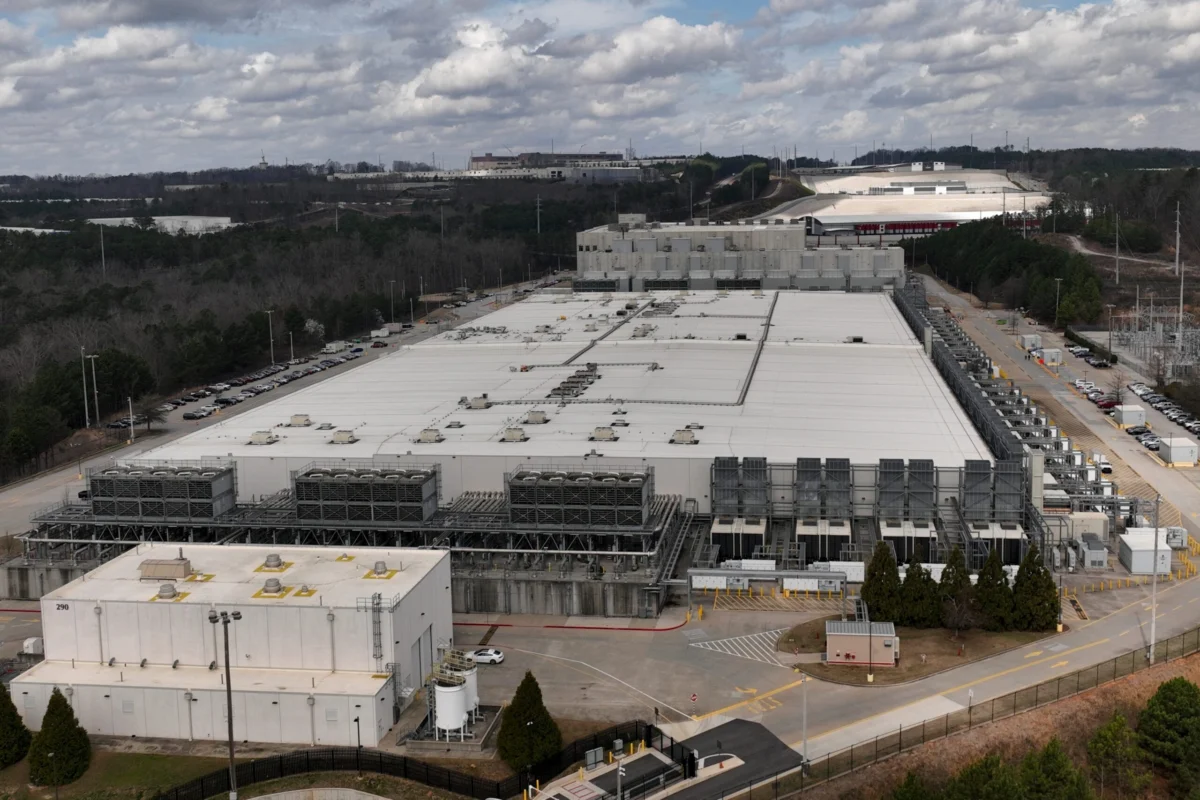
The landscape of American infrastructure underwent a seismic shift during this week’s midterm elections as voters in dozens of jurisdictions across the country delivered a decisive mandate against the unchecked expansion of data centers. From the industrial corridors of Ohio to the tech hubs of California, local ballot measures designed to limit, tax, or outright ban the development of these massive facilities passed with overwhelming majorities. This coordinated electoral pushback reflects a growing national anxiety over rising electricity prices, grid reliability, and the environmental footprint of the infrastructure required to power the global artificial intelligence boom.
As utility bills climb and ratepayers face increasing uncertainty regarding the long-term impact of hyperscale facilities on local power grids, the "data center question" became a central pillar of local and state politics. In addition to local ordinances, several key gubernatorial races were decided by candidates who campaigned on platforms of strict regulation or temporary moratoriums, signaling a new era of legislative friction for the technology sector.
A Nationwide Electoral Rejection of Hyperscale Development
The scale of the opposition was most visible in Ohio, a state that has historically been a primary destination for data center investment due to its proximity to fiber routes and relatively stable power costs. According to data compiled by Ballotpedia, Ohio accounted for 21 of the 41 data center-related measures on ballots nationwide across 18 separate jurisdictions. In 13 of those jurisdictions, voters moved to ban further development entirely.
The results in Ashville, Ohio, were particularly telling; over 80% of voters opted to reject a data center project already under construction by the developer EdgeConneX. This suggests that even projects with significant capital already deployed are no longer safe from retrospective public opposition. Many of the successful Ohio measures specifically targeted "high-impact" data centers, defined as facilities consuming more than 25 megawatts (MW) of power. Currently, Ohio hosts 154 operational data centers, with another 84 in various stages of planning or construction—a pipeline that now faces an uncertain legal future.
The sentiment was echoed in Illinois, where five jurisdictions voted against advising local officials to permit new construction. In Bloomington, voters went a step further, advising the city council to impose a formal moratorium on all new facilities, while Morgan County voters supported new, stringent restrictions on land use and noise pollution.
In the Northeast, Maine voters demonstrated a preference for "cooling-off" periods. Residents in Peru and Wells approved 180-day moratoriums on new applications, while Wiscasset established a six-month ban on both new projects and the expansion of existing ones. North Berwick took a more permanent stance, voting to ban any data center larger than 25,000 square feet, effectively ending the prospect of hyperscale development in the area.
Western and Southern states were not immune to the trend. In Alhambra, California, voters approved a measure to prohibit data centers within city limits, citing concerns over urban heat islands and noise. Edgewater, Florida, passed a similar prohibition, while voters in Boulder City, Nevada, rejected a measure that would have allowed development within the Eldorado Valley Transfer Area, a site previously considered prime for tech expansion.

The Rise of the Skeptical Governor
The electoral backlash extended beyond local ordinances to the highest levels of state government. The midterms saw the election or re-election of several governors who have made data center regulation a cornerstone of their economic and environmental agendas.
In Texas, Governor-elect Gina Hinojosa (D) secured victory following a campaign centered on an immediate moratorium. Hinojosa argued that the state’s fragile power grid, managed by ERCOT, cannot sustain the current pace of data center growth without risking residential blackouts. She has pledged to maintain the moratorium until the state legislature can pass comprehensive laws that require data center operators to provide their own "behind-the-meter" power generation.
Ohio’s Governor-elect Amy Acton (D) also signaled a shift in policy, supporting a conditional moratorium. Acton’s plan would require data centers to cover 100% of their utility infrastructure costs, utilize union labor for construction, and adhere to strict brownfield development requirements to avoid the consumption of prime agricultural land.
In Georgia, Governor-elect Keisha Lance Bottoms (D) has promised to sign an executive order pausing new developments upon taking office. Georgia has seen a massive influx of data centers in recent years, particularly in the Douglas County area. Bottoms has indicated that her administration will conduct a full audit of state tax incentives, questioning whether the limited job creation of data centers justifies the massive tax breaks and energy consumption.
New York Governor Kathy Hochul (D), who won re-election, has already set a precedent by signing an executive order in July 2026 that established a one-year moratorium on new hyperscale projects exceeding 50 MW. The state is currently using this period to develop a long-term regulatory framework that aligns data center growth with New York’s ambitious climate goals.
The Economic and Market Implications of Gridlock
The sudden halting of the data center pipeline has sent ripples through the financial sector. Analysts at Goldman Sachs have estimated that approximately 45% of the entire planned data center capacity in the United States could be at risk due to these election results. Other projections from Axios suggest that up to 60% of projects slated for 2028 completion could face significant delays or cancellations.
This uncertainty weighed heavily on the stock market following the election. The Nasdaq, heavily weighted with AI-centric tech stocks, fell 11% below its all-time high this week. Investors are increasingly concerned that the "AI arms race" is hitting a physical wall: the inability to secure power and local permits. As borrowing costs remain high, the added expense of navigating complex regulatory hurdles and funding local infrastructure may render many planned projects financially unviable.
Ironically, industry analysts suggest that these new restrictions may inadvertently benefit the "Magnificent Seven" tech giants—Amazon, Google, Microsoft, and Meta. These companies have already secured massive footprints and long-term power purchase agreements. By raising the barrier to entry, local bans and moratoriums may eliminate smaller competitors who have not yet established their infrastructure, effectively cementing the dominance of the existing hyperscalers.

Industry Response: A Search for "Responsible" Growth
Recognizing that the industry has a significant "public relations problem," some of the largest players in the space are attempting to get ahead of the regulatory curve. OpenAI recently published a "Responsible AI Infrastructure" framework, calling for federal and state policymakers to establish clear rules for development.
The OpenAI proposal includes several concessions aimed at mollifying local communities, including:
- Infrastructure Funding: A commitment that data centers should pay for the specific utility upgrades required to support them, rather than passing costs to residential ratepayers.
- Financial Assurances: Providing bonds or financial guarantees so that if a project is canceled or scaled back, the local utility and its customers are not left holding the bill for stranded assets.
- Transparency: Public reporting on water consumption, energy use, and noise levels.
- NDA Reform: Placing narrow limits on non-disclosure agreements that often prevent local officials from discussing the details of projects with their constituents.
Dan Diorio of the Data Center Coalition emphasized that the industry must work harder to build trust. "The consequences of these moratoriums go beyond just the tech sector," Diorio stated. "Host communities risk losing significant tax revenue and the secondary economic expansion that comes with being a hub for domestic manufacturing and digital services."
Analysis: The End of the Infrastructure Honeymoon
The midterm results mark the end of an era where data centers were welcomed as "clean" industrial neighbors that provided a stable tax base with minimal traffic or pollution. The sheer scale of the current AI-driven buildout has changed that calculus. A single modern hyperscale data center can consume as much electricity as a medium-sized city, and the cumulative effect on the national grid is now a matter of national security and economic stability.
The tension between the federal government’s desire for AI leadership and local communities’ desire for affordable power is reaching a breaking point. While the Biden-Harris administration and its successors have viewed AI as a critical frontier for American competitiveness, the physical reality of that competition is being litigated at the county commission and city council level.
As the U.S. moves toward 2027, the geography of the American tech industry is likely to bifurcate. We are entering a period where the country will be divided into "open" and "closed" zones for digital infrastructure. States that can successfully balance the demands of the tech sector with ratepayer protections and environmental sustainability will likely inherit the next decade of economic growth, while those that fail to address public concerns may see their tech sectors stagnate.
For now, the message from the American voter is clear: the path for the "cloud" must be built on a foundation of local consent and economic fairness, or it will not be built at all.
