


The stock markets across Asia experienced a mixed performance on Thursday, with a notable shift in investor sentiment away from artificial intelligence (AI) and semiconductor-related stocks. While some indices saw gains, driven by a dip in oil prices and a broader market recalibration, the tech sector, particularly those companies heavily invested in AI infrastructure, faced significant selling pressure. This downturn is largely attributed to concerns that the recent electoral victories of the Democratic Party in the United States could lead to slower development and deployment of AI data centers, impacting the projected growth trajectories of these technology giants.
The Nikkei 225 index in Japan, heavily influenced by its technology component, saw a decline in its heavyweight AI-related stocks. Companies such as Advantest, a leading manufacturer of semiconductor testing equipment, and Tokyo Electron, a key player in the semiconductor manufacturing equipment sector, experienced substantial drops. Advantest plunged by 14.7%, while Tokyo Electron saw a decrease of 9.4%. This performance directly reflects a broader trend of investors reallocating capital from high-growth technology sectors to more traditional industries that are perceived as less vulnerable to policy shifts.
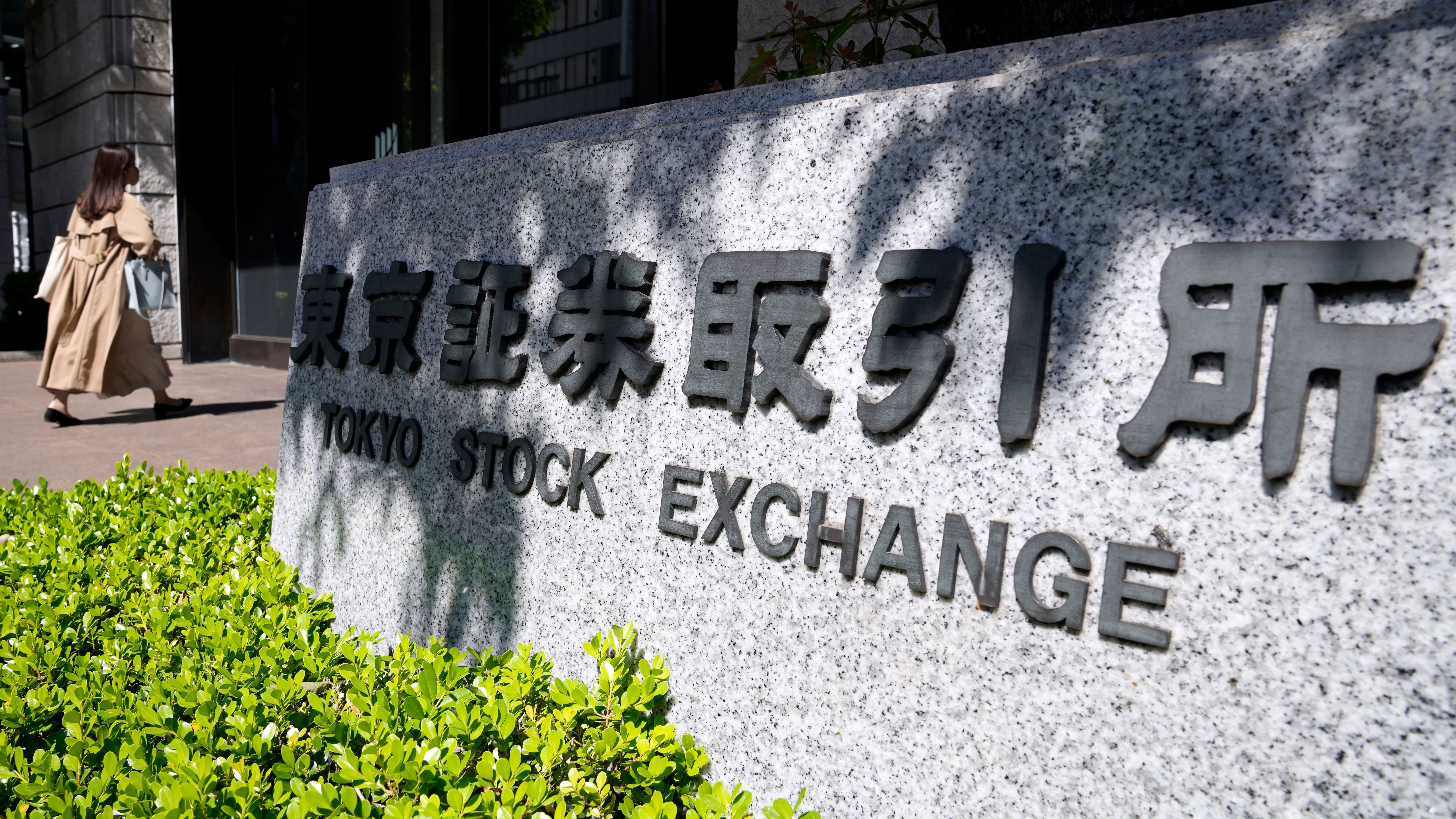
"Capital that was previously flowing into AI and semiconductors is now being re-shifted into other sectors," observed Wataru Akiyama, an equity strategist at Nomura Securities. He further elaborated on the underlying sentiment driving this shift: "The view is increasingly taking hold that the Democratic Party’s electoral successes will lead to delays in data center projects, making it possible that the current pace of earnings growth may not be sustainable." This sentiment suggests a proactive move by investors to hedge against potential regulatory headwinds and a perceived slowdown in the exponential growth that has characterized the AI sector.
Background and Context: The AI Boom and Shifting Political Landscapes
The surge in AI-related stocks over the past few years has been a defining characteristic of global equity markets. Driven by advancements in machine learning, generative AI, and the increasing demand for data processing power, companies involved in chip manufacturing, AI software development, and data center construction have seen unprecedented valuations. This has created a speculative fervor, with many investors betting on continued rapid expansion.

However, the political landscape, particularly in the United States, plays a crucial role in shaping the future of such capital-intensive industries. The recent midterm elections, where Democrats secured significant gains, have raised questions about the future regulatory environment for technology companies. Concerns have been voiced about potential policies that could impact the rapid expansion of data centers, which are the physical backbone of AI development and deployment. These concerns range from environmental regulations, energy consumption, to antitrust scrutiny.
Market Dynamics: A Tale of Two Indices in Japan
While the technology-heavy Nikkei 225 faced headwinds, the broader market in Japan offered a more nuanced picture. The Topix index, which includes a wider range of companies across all sectors listed on the Tokyo Stock Exchange, managed to record gains. This divergence highlights a significant rotation within the Japanese equity market. Investors are actively seeking opportunities in sectors that are expected to benefit from or remain resilient amidst the changing economic and political climate.
The sectors leading the gains on the Tokyo Stock Exchange included real estate, automotive manufacturers, and retail companies. The real estate sector, in particular, has seen renewed interest, potentially driven by the expectation of increased demand for physical infrastructure and a diversification away from speculative tech assets. Automotive companies, which have historically been a strong component of the Japanese economy, are also seeing a resurgence, possibly benefiting from a more stable outlook and a global recovery in demand for vehicles. The retail sector’s performance could be attributed to consumer spending patterns that are less directly tied to the global technology cycle.
The Influence of Oil Prices
Adding to the market’s improved sentiment was a noticeable decline in oil prices. Following the US midterm elections, crude oil prices, specifically the Brent benchmark, fell to around $95 per barrel. This marks the first time since early October that oil prices have dipped below this significant psychological and technical level. Lower oil prices have a dual effect on equity markets. Firstly, they reduce operational costs for many industries, particularly transportation, manufacturing, and logistics, leading to improved profit margins. Secondly, they can alleviate inflationary pressures, which in turn might influence central bank monetary policy. For oil-importing nations like Japan, lower oil prices are a direct economic benefit, reducing the import bill and providing a tailwind for domestic consumption and industrial activity.

Investor Strategies: Capital Reallocation in Action
The observed market movements illustrate a clear strategy of capital reallocation by investors. The previous investment thesis for many tech stocks was predicated on a continuation of rapid, often unfettered, growth fueled by massive investments in AI infrastructure. The perceived shift in the US political landscape has introduced an element of uncertainty, prompting investors to reassess their exposure.
This recalibration involves several key actions:

- Profit-Taking: Investors who have benefited significantly from the AI boom are likely cashing in on their gains, locking in profits before any potential downturn.
- Diversification: Capital is being moved from the concentrated tech sector into a more diversified portfolio of industries. This reduces overall portfolio risk and captures potential upside in sectors less exposed to AI-specific regulatory concerns.
- Sector Rotation: The focus is shifting towards sectors that are seen as more defensive or cyclical, such as real estate, industrials, and consumer staples, which are less dependent on the rapid technological advancements driving the AI sector.
- Valuation Reassessment: Investors are likely re-evaluating the valuations of AI-related companies. The previous sky-high valuations were based on optimistic growth projections. With the prospect of slower data center expansion, these projections may need to be revised downwards, leading to a more conservative valuation approach.
Global Implications and Future Outlook
The trends observed in Asian markets are not isolated. Similar shifts in sentiment and capital allocation can be expected in other major global financial centers. The interconnectedness of the global economy means that policy changes and market sentiment in one region can have ripple effects worldwide.
The future performance of AI-related stocks will depend on several factors:

- Actual Policy Decisions: The extent to which any new regulations or policies directly impact data center development will be critical.
- Pace of Innovation: While data center expansion might slow, the underlying innovation in AI technology will likely continue. Companies that can demonstrate continued technological advancement and find new avenues for growth may still command strong valuations.
- Economic Conditions: Broader economic conditions, including inflation, interest rates, and global growth, will also play a significant role in overall market sentiment and investment decisions.
- Investor Adaptability: The ability of investors to adapt to evolving market conditions and identify new investment opportunities will be key to navigating this period of transition.
The current market dynamics suggest a maturation of the AI investment theme. While the long-term prospects for AI remain strong, the era of unchecked, speculative growth may be giving way to a more nuanced phase characterized by regulatory considerations, operational efficiencies, and a broader economic integration of AI technologies. Investors are now faced with the challenge of discerning between companies that can sustain growth through innovation and operational excellence and those whose valuations were primarily driven by the speculative fervor of the AI boom. The rebalancing of portfolios observed in Asian markets signals a potential paradigm shift, where a more cautious and diversified approach to investing in technology may become the norm. The coming months will be crucial in determining whether this is a temporary correction or a more fundamental recalibration of the market’s outlook on the AI sector.
