

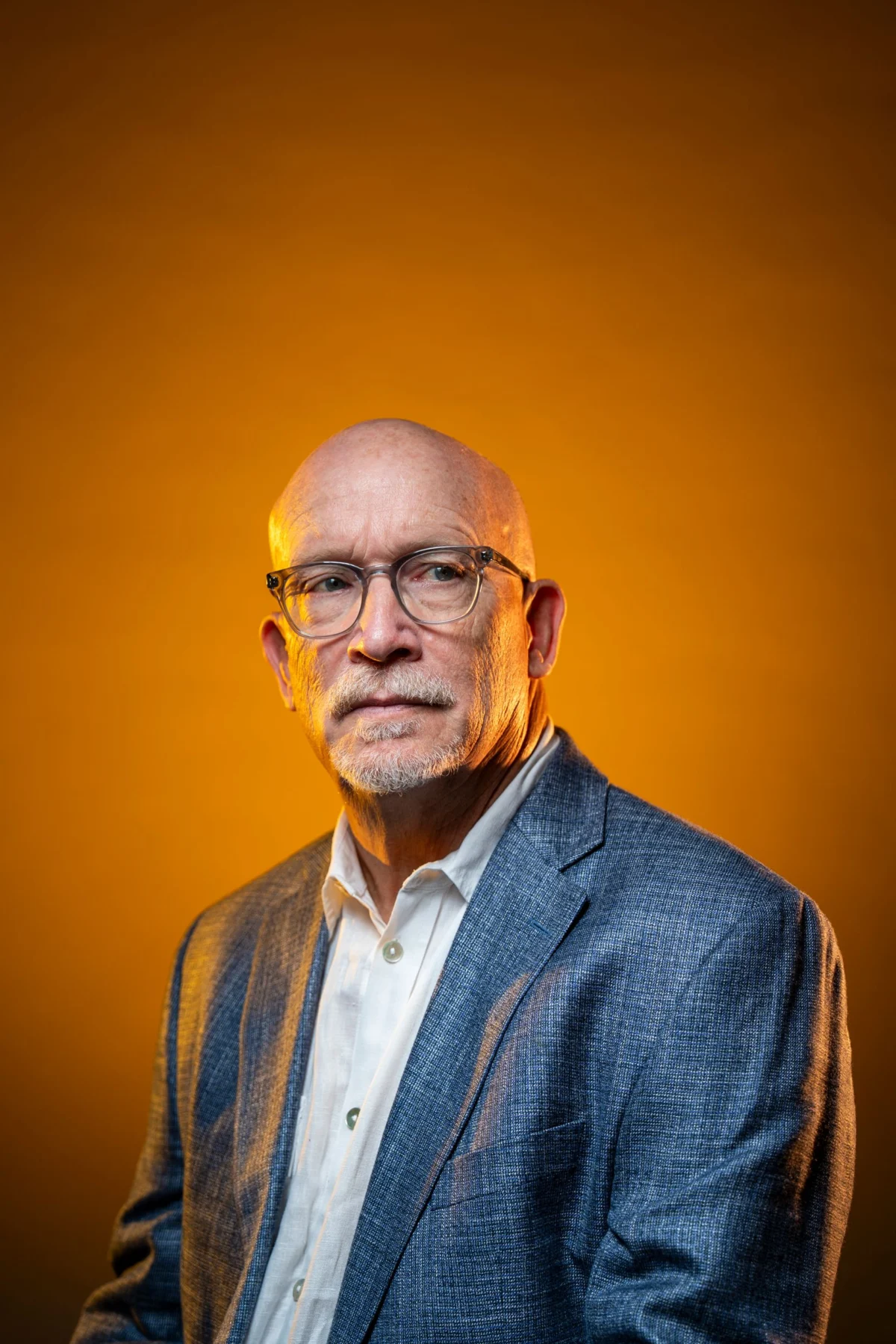
As the United States Congress prepares for a significant shift in power with a Democratic majority anticipated in the upcoming legislative sessions, acclaimed filmmaker Alex Gibney has voiced critical questions regarding the potential for renewed government scrutiny into the business practices and influence of Elon Musk. Gibney, the director behind the comprehensive documentary titled "Musk," expressed his concerns in a recent interview with WIRED contributing editor Zoë Schiffer, specifically addressing the capacity of the American political system to conduct rigorous investigations, even when faced with substantial financial power.
Gibney’s remarks were made shortly after a screening of his documentary at the WIRED World Fair, a period coinciding with the preliminary calls for major congressional races that pointed towards a Democratic victory in both the House and the Senate. "Is our political system capable—assuming the Democrats win the House and the Senate—of ignoring the power of money… to hold really tough investigations?" Gibney posed the question, highlighting his central thesis that such investigations are crucial for accountability.
The documentary itself delves into a series of investigations launched by various United States government agencies into Musk’s multifaceted business empire. Gibney’s film posits that these governmental actions may have been a contributing factor to Musk’s substantial financial backing of Donald Trump and other Republican candidates in recent electoral cycles. This assertion underscores a broader concern about the intersection of immense wealth, political influence, and governmental oversight.
Elon Musk’s Political Donations and Election Cycle Impact
Gibney further elaborated on the financial aspect of Musk’s political engagement, citing figures that illustrate the scale of his contributions. As of a recent assessment, Musk had reportedly donated over $474 million to Republican political groups during the current election cycle. This substantial financial outlay, Gibney noted, occurred at a time when "things weren’t going Elon’s way, particularly in Texas."
This observation gained particular salience in the aftermath of key electoral results in Texas. Shortly after Gibney’s statement, the outcomes of specific Senate and gubernatorial races in the state became clear. James Talarico was declared the winner of his Senate race, and Gina Hinojosa secured victory in the state’s gubernatorial election. These wins marked significant milestones, representing the first Democratic victories in statewide Texas elections in over three decades.
Musk, who has cultivated long-standing and reportedly close relationships with influential figures in Texas, had a considerable financial stake in these particular contests. Public records indicate that Musk contributed at least $158 million to super PACs that supported Ken Paxton, the Texas Attorney General, who was running against Talarico. This substantial investment highlights Musk’s strategic engagement in state-level politics, particularly in a state where he has significant business interests and personal connections.
The sheer volume of Musk’s financial contributions raises questions about their efficacy and the motivations behind them. Gibney commented on the immense wealth controlled by Musk, stating, "Musk now has such an extraordinary amount of money that dropping $500 million on an election means nothing to him." However, he also introduced a critical caveat: "The question is: What if that stock begins to fall?" This points to the potential volatility of Musk’s wealth, which is largely tied to the performance of his companies’ stock, and suggests that the future of his financial influence in politics may be subject to market fluctuations.
The Making of "Musk": Insights and Challenges
The production of Gibney’s documentary involved extensive research and interviews with a wide range of individuals connected to Elon Musk. To gain a comprehensive understanding of his impact and the controversies surrounding him, Gibney spoke with tech entrepreneurs, former employees of Musk’s companies, and, in particularly revealing segments, two of Musk’s former romantic partners: his first wife, Justine Wilson, and his ex-girlfriend, Ashley St. Clair. The film also features interviews with Zoë Schiffer and WIRED’s global editorial director, Katie Drummond, adding journalistic perspectives to the narrative.
Elon Musk himself declined to be interviewed for the documentary. In lieu of direct participation, Gibney’s production team employed a creative approach to represent Musk’s public persona. They utilized Musk’s own past public statements to construct a simulated version of him. This digital representation, described as a "tanned, chiseled avatar wearing a leather jacket," was paired with actual quotes, offering a unique visual and auditory portrayal of his pronouncements.
Reactions and Legal Threats
Elon Musk has publicly criticized the documentary, characterizing it on the social media platform X (formerly Twitter) as a "hit piece." The film’s release was preceded by a legal challenge from Musk’s attorney, Alex Spiro. In September, Spiro sent a letter to Gibney’s production company, Jigsaw Productions, threatening to file a defamation lawsuit ahead of the documentary’s premiere. This legal maneuver underscored the sensitivity surrounding the film’s subject matter and its director’s approach.
The rollout of the "Musk" documentary has also been marked by a series of complex challenges, particularly concerning its promotion. In early October, Bleecker Street, the independent film distributor handling the domestic theatrical rights, decided to move up the film’s release date by one week. This decision was reportedly influenced by positive reviews received at film festivals.
However, the promotional efforts for "Musk" encountered significant hurdles with major digital platforms. According to reports from The Hollywood Reporter, social media giants YouTube, TikTok, and Meta initially declined to run advertisements for the film’s trailer. X, the platform owned by Elon Musk himself, did not advertise the trailer at all. This widespread rejection of advertising by prominent online platforms raises questions about content moderation policies, platform neutrality, and the potential influence of powerful figures on public discourse.
Distribution and Future Availability
Following its theatrical run, "Musk" is scheduled to become available for rent or purchase starting November 6. This transition to digital distribution marks the end of its limited theatrical engagement. The film’s complex release strategy, coupled with the legal and promotional challenges it has faced, underscores the intricate dynamics involved in documenting and distributing content about highly influential and controversial public figures in the current media landscape.
Broader Implications: Government Oversight and Corporate Influence
Alex Gibney’s concerns about the future of government investigations into Elon Musk’s business practices, particularly in light of a potential Democratic majority in Congress, touch upon a critical issue: the balance of power between corporate influence and governmental oversight. The documentary’s exploration of Musk’s significant political donations and the allegations of governmental investigations into his companies suggests a narrative where financial power may seek to influence regulatory outcomes.
The Democratic Party, historically, has often advocated for stronger regulatory frameworks and greater corporate accountability. If they do indeed secure a firm majority, it is plausible that committees and agencies tasked with oversight could re-examine issues related to Musk’s business dealings, including those concerning antitrust, labor practices, and the dissemination of information across his platforms. However, as Gibney points out, the sheer magnitude of wealth amassed by figures like Musk presents a formidable challenge to such oversight. The ability of legislative bodies to remain independent of financial pressures and to conduct thorough, unbiased investigations is a perpetual concern in democratic societies.
The impact of Musk’s wealth on political campaigns is a subject of ongoing debate. His substantial contributions to Republican causes, as detailed by Gibney, indicate a clear strategy to influence the political landscape. The documentary’s suggestion that these political actions are, in part, a response to governmental investigations creates a cyclical argument where financial influence is used to mitigate regulatory scrutiny. The question of whether a Democratic majority can effectively counter this influence, or if the dynamics of money in politics will continue to shape the trajectory of investigations, remains a significant point of interest for observers of both the political and business worlds.
Furthermore, the challenges faced by the "Musk" documentary in securing advertising on major digital platforms highlight the complex ecosystem of media and technology. The refusal of platforms like YouTube, TikTok, and Meta to carry the trailer, and X’s complete absence from promotional efforts, could be interpreted in various ways. Some might see it as a reflection of content moderation policies aimed at avoiding controversy. Others might view it as a demonstration of the immense power these platforms wield and their potential susceptibility to pressure from influential individuals or entities. The exclusion of promotional material for a documentary that critically examines a major tech figure raises important questions about censorship, freedom of expression, and the role of social media in shaping public perception and access to information.
As the political landscape in the United States continues to evolve, the questions raised by Alex Gibney and illuminated by his documentary "Musk" are likely to gain further prominence. The intersection of wealth, power, political influence, and governmental accountability remains a central theme in contemporary American discourse, and the case of Elon Musk serves as a potent case study in these complex and often contentious dynamics. The coming legislative sessions will offer a crucial opportunity to observe whether the anticipated shift in congressional power translates into renewed and effective oversight of powerful business magnates and their impact on both the economy and the democratic process.
