

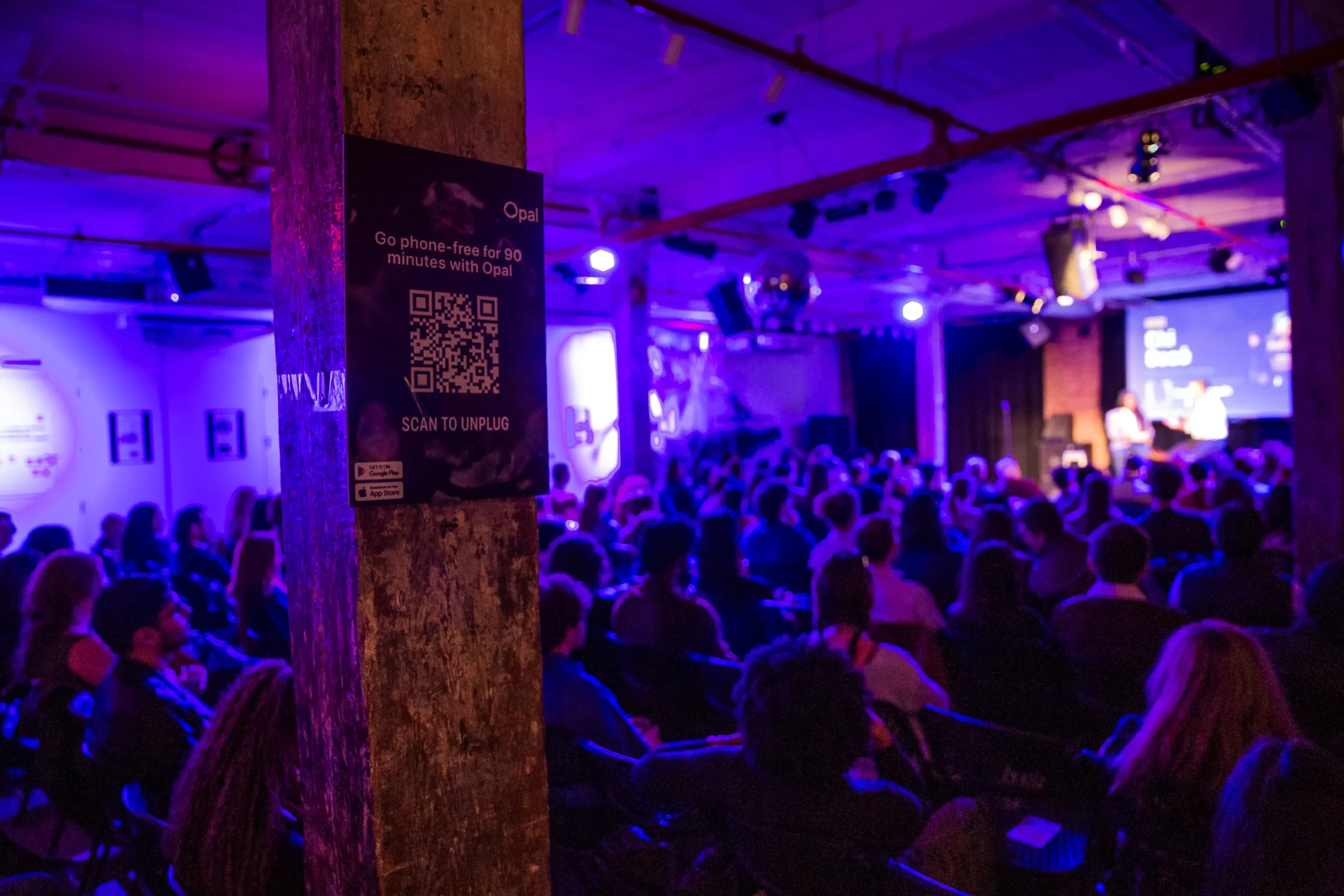
NEW YORK – A recent midterm election event in Brooklyn, intended to foster dialogue on the upcoming polls, unexpectedly pivoted to a fervent discussion on artificial intelligence (AI) and data centers, exposing a widening chasm between the tech industry’s optimistic vision and a growing public backlash. Hosted by Newsreel, a media company founded by former Forbes and Newsweek reporter Jack Brewster, the gathering of media professionals, tech innovators, policy advocates, and engaged citizens quickly found its agenda usurped by concerns over technocracy, resource consumption, and perceived corporate secrecy.
The event, held in a dimly lit Brooklyn warehouse on a Thursday evening, just five days before the midterm elections, was designed to encourage face-to-face interaction on critical electoral issues. Brewster’s stated goal was for attendees to “put their phones away and talk to each other about the election.” The initial lineup promised diverse insights, featuring Kenneth Schlenker, co-founder of the focus app Opal, discussing "the state of attention," and Aryan Banjan, creator of the campaign management software Barza, delivering a midterm forecast. However, as the evening progressed, the conversations, both on stage and informally among attendees, coalesced around a singular, pressing theme: the rapid proliferation of AI, its underlying infrastructure in data centers, and the significant societal resistance building against it.
The Unforeseen Dominance of Tech’s Infrastructure
The shift was palpable. What began as a conventional pre-election discourse quickly transformed into an exploration of how advanced technology is reshaping landscapes, economies, and public trust. This unexpected focus underscores a critical emerging narrative: AI and data centers are no longer abstract concepts confined to Silicon Valley boardrooms but have become tangible, intensely debated ballot-box issues capable of influencing local and regional elections across the United States.

For years, the tech sector has largely operated with a degree of public goodwill, fueled by innovation and promises of progress. However, as AI capabilities expand and the physical footprint of its supporting infrastructure — massive data centers — grows, public perception appears to be souring. Industry insiders, often deeply immersed in the benefits and ambitious development of AI, frequently overlook the profound skepticism and outright opposition brewing outside their bubble. The perception of data centers and AI has, for many, become "ugly," representing a perceived loss of control and a threat to community well-being.
Recent data paints a clear picture of this escalating conflict. A report from Data Center Watch revealed that nearly $200 billion worth of data center projects were either delayed, stalled, or outright blocked in the first half of 2026 alone, primarily due to political and community opposition. This figure highlights the significant grassroots resistance encountering the tech industry’s expansion plans. States like Pennsylvania, Georgia, Texas, New York, and Virginia are actively considering new guardrails and transparency measures to regulate the rapid development of data centers. Virginia, already dubbed the "data center capital of the world," faces plans for hundreds of new facilities, intensifying local disputes over land use, environmental impact, and community consent.
Voices from the Front Lines: Panels and Public Sentiment
The event’s panel discussions offered a microcosm of this broader national debate. New York City Council member Chi Ossé, in a fireside chat preceding a panel on data centers, addressed AI with a nuanced perspective. While not explicitly "for or against" the technology, Ossé, identifying as a "law and order democratic socialist," stressed the imperative for greater accountability from tech executives. He advocated for trillion-dollar companies and individuals like Elon Musk to be taxed more heavily and for tech leaders discussing technologies with the potential to "deplete 10% of human civilization" to be compelled to testify before Congress. His remarks resonated with a crowd increasingly wary of unchecked technological power and wealth concentration.
The subsequent panel, moderated by the author and featuring Maia Woluchem, a technology and human rights researcher, and Hilary Flint, an environmental and public health advocate, directly confronted the complexities of data center development. The audience’s immediate reaction upon being asked "Who here is pro-AI data center?"— a chorus of boos — underscored the depth of public sentiment. The discussion unveiled a range of grievances: allegations of "secret deals" between major tech companies and local officials to fast-track billion-dollar data center projects, and concerns over opaque zoning rules that often obscure the nature of these developments until community protest becomes futile.

Flint powerfully articulated the core of the opposition, stating, "What is a life worth?" in response to the economic benefits sometimes touted by data center proponents. She argued that communities protesting these projects "value their lives a little bit more than a temporary check," highlighting a fundamental clash between economic incentives and the perceived intangible costs to quality of life, environmental health, and community autonomy.
The panelists agreed that data centers, with their vast physical presence and immense resource demands, have become a tangible symbol of public anxieties. They embody the fears of job displacement by AI, the struggle with rising living costs, and a broader sense of powerlessness against an increasingly influential tech class. Residents worry about environmental degradation, including significant energy consumption, increased carbon footprints, and substantial water usage for cooling systems, alongside potential health risks (though often speculative, these are real concerns for affected communities).
Even a panel ostensibly focused on "the future of the Democratic Party," featuring NewsNation host Batya Ungar-Sargon, political strategist Morris Katz (who worked on Zohran Mamdani’s campaign), and Vox’s Astead Herndon, inevitably veered into the subject of data centers. Ungar-Sargon noted the complex political calculus, acknowledging that some labor unions support data centers due to the promise of initial construction jobs. However, she also referenced reports indicating that while data centers generate many jobs during their construction phase, these roles are often temporary, dwindling significantly once facilities become operational. She drew a parallel to the Rust Belt’s industrial past, where "ugly, enormous buildings" were once symbols of community prosperity and stability, a sentiment now largely absent with data centers that offer fewer long-term, high-skill local jobs.
Herndon reinforced the idea of a "lack of consent" from affected communities, noting similar sentiments even among Republicans in Rust Belt states, where tech promises often ring hollow against a backdrop of job losses. Katz echoed this skepticism, pointing out the irony of "the same people who have taken so many union jobs away" now offering "scraps" in the form of temporary construction work, suggesting a continuation of institutional powers eroding labor and working-class livelihoods.
Beyond the Event: Widespread Concerns and Policy Responses

The conversations at the Newsreel event were indicative of a national reckoning. The growing opposition is not uniform, but it shares common threads. In rural communities, the backlash is often rooted in a feeling of being replaced or exploited, as large, resource-intensive facilities are built with minimal long-term local benefits. In urban centers like Brooklyn, where data centers are less visible, the debate often shifts to questions of wealth distribution and who ultimately profits from these technological advancements.
The informal discussions among attendees highlighted a range of "craziest tech things" observed recently, further illustrating public anxiety. Beyond the immediate impact of data centers, the rise of deepfakes and AI-generated art sparked concern. One attendee noted that AI art is beginning to signal "cheapness," leading luxury brands like Prada and Hermès to emphasize hand-drawn illustrations and artisanal craftsmanship in their campaigns – a direct counter-narrative to the perceived sterility and lack of authenticity in AI-generated content. The rapid evolution of AI assistant startups and the public profile of figures like Sam Altman also captured attention, signifying the pervasive influence of AI on contemporary discourse.
The issue extends geographically, too. A software engineer from Southern California shared that data centers are now proliferating in her hometown, a Chinese immigrant community where residents have begun displaying signs depicting dragons choking data centers – a powerful cultural metaphor for the perceived threat. The subsequent translation of these signs into multiple languages underscores the broad, multicultural nature of this community opposition. This phenomenon reveals that the tech-public divide is not confined to specific regions but is a widespread challenge requiring a comprehensive, inclusive approach.
Implications for Policy and the Future of Tech
The emerging backlash against AI and data centers presents a significant challenge for policymakers, the tech industry, and communities alike. For policymakers, it necessitates a re-evaluation of zoning laws, environmental regulations, and corporate accountability frameworks. There is a clear demand for greater transparency in development deals and more robust public engagement processes to ensure community consent and address local concerns. States are beginning to respond by considering more stringent guardrails, but a coordinated national strategy may eventually be required.

For the tech industry, the growing opposition signals a critical need to recalibrate its approach to public engagement and corporate responsibility. The traditional narrative of progress and innovation is increasingly being met with skepticism regarding environmental impact, social equity, and long-term economic benefits for host communities. Bridging the chasm will require genuine dialogue, a commitment to sustainable practices, and a willingness to share the benefits of technological advancement more equitably. This includes investing in local infrastructure, creating lasting job opportunities beyond construction, and mitigating environmental footprints.
Ultimately, the unexpected prominence of AI and data center discussions at a midterm election event in Brooklyn reflects a broader societal tension. As technology advances at an unprecedented pace, the questions of who benefits, who bears the costs, and who controls its deployment are becoming central to public discourse and political action. The future of the American Dream, as articulated by the event’s participants, appears inextricably linked to how these complex challenges are addressed, demanding a more inclusive and ethically grounded vision for the technological age.
