

A woman in blue overalls and a pink tank top smiles at the camera, holding a stripped piece of copper wire and a small tool in a workshop setting. "Let’s make money stripping… Wire!" she exclaims, a playful declaration that has become a rallying cry for a growing community on TikTok. This burgeoning trend sees users meticulously documenting the process of stripping copper wire for resale, transforming a once mundane task into a viral sensation. While these creators may not be formally collaborating or using a unified hashtag, their videos share a distinct visual aesthetic: the deconstruction of appliances and electrical cords to reveal the gleaming, amber-colored copper within.
This phenomenon is more than just a passing internet fad; it’s a reflection of significant economic shifts and the persistent human drive for financial gain. The surge in global copper prices, reaching unprecedented highs in recent years, has transformed scrap copper from a niche market into a highly lucrative commodity. This economic reality, coupled with the widespread accessibility of platforms like TikTok, has created a perfect storm for the rise of the "copper scrappers."
The Allure of Amber: Why Copper is King
Copper’s enduring value stems from a confluence of properties that have made it indispensable to human civilization for millennia. As a superior electrical conductor, it forms the backbone of modern electronics, from intricate circuitry to robust power grids. Its malleability and ductility allow it to be shaped and integrated into countless applications, while its natural resistance to corrosion ensures longevity. Crucially, copper is infinitely recyclable, making it a cornerstone of a circular economy.
The economic incentives driving this TikTok trend are undeniable. In September 2023, according to data from the International Monetary Fund, the price of copper hovered around $14,473 per metric ton, or approximately $7.23 per pound. This represents a more than doubling of its value compared to September 2020, when it was priced at roughly $6,500 per metric ton. This dramatic price appreciation has made even small quantities of scrap copper highly desirable, offering a tangible and accessible pathway to earning income.
A Diverse Community of Scrappers
The individuals participating in this TikTok trend are as varied as the sources of their scrap. Among them are seasoned electricians looking to supplement their income, hobbyists drawn to the tangible reward of dismantling and reclaiming valuable materials, and individuals facing economic hardship who see copper scrapping as a viable means of survival. The linguistic diversity of these creators—spanning English, French, Spanish, German, and Romanian—underscores the global reach and universal appeal of this financial opportunity.
Some creators have parlayed their passion into entrepreneurial ventures. At least one prominent account features an individual who not only strips wire but also casts molten copper into ingots, selling these hand-crafted copper bricks on Etsy. This illustrates how the trend is fostering innovation and creating new avenues for small-scale commerce.
The Shadow of Theft and Economic Distress
While the TikTok videos showcase the legal and creative aspects of copper scrapping, the surge in its value also casts a shadow, raising concerns about an increase in copper theft. Economic analyses suggest a correlation between rising copper prices and heightened instances of theft. Craig Depken II, chair and professor of economics at the University of North Carolina, Charlotte, who has studied the phenomenon, identifies two primary conditions that tend to drive up copper theft rates:
- Rising Market Prices: As copper becomes more valuable, the temptation to acquire it through illicit means intensifies. The current market conditions perfectly align with this factor.
- Increased Economic Distress: When individuals face significant financial hardship, the perceived reward of stealing copper can outweigh the perceived risks of apprehension. This suggests that the current economic climate may be contributing to both legitimate and illegitimate scrap collection.
It is important to note that selling lawfully obtained scrap copper is legal in most of the United States. However, Minnesota has implemented a statewide copper wire theft law that requires a state-issued license for selling such materials, effective January 1, 2025, highlighting regulatory responses to the issue.
From Chore to Content: The TikTok Transformation
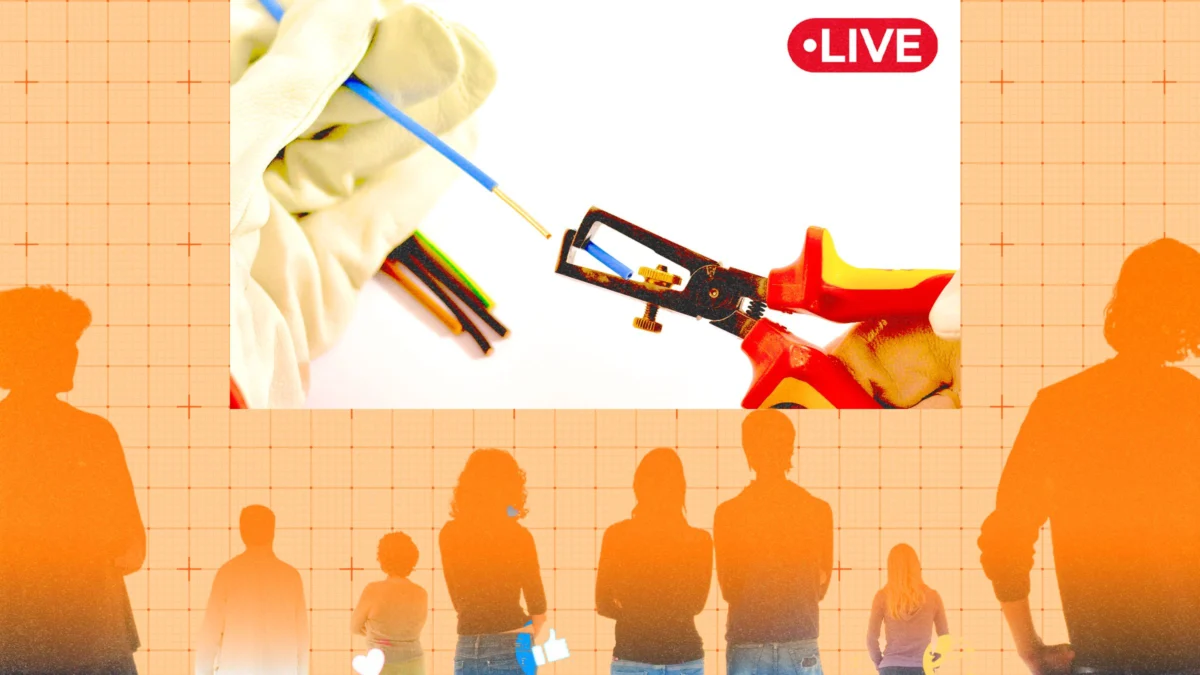
The tedious nature of stripping copper wire—separating the valuable metal from its insulating sheath—is transformed into engaging content on TikTok. The platform provides a space for creators to share their progress, offer tips, and even find camaraderie in a task that can otherwise be solitary. Many creators have amassed substantial followings, with some accounts boasting hundreds of thousands of followers. The accessibility of wire stripping tools, readily available on TikTok Shop, further lowers the barrier to entry for aspiring scrappers. The most popular wire stripper models have reportedly sold tens of thousands of units globally.
"Wire Transfers": Monetizing the Grind
The ultimate financial return from scrap copper hinges on several factors, including its quality, grade, and whether it remains insulated. Insulated copper fetches a significantly lower price than stripped copper, incentivizing many to undertake the laborious stripping process themselves. To make this repetitive task more palatable, creators have infused it with social and entertainment elements.
Videos depict "wire-stripping girls’ nights," "movie nights," and even "date nights," turning a chore into a shared social activity. One viral video shows a creator stripping wire on a bed next to a partner, with the text overlay humorously questioning their level of "down bad" for engaging in such an activity. These narratives highlight how the act of scrapping is being reframed as a communal or even romantic endeavor.
Beyond social engagement, many creators approach copper scrapping as a serious side hustle or even a full-fledged business. They share time-lapses of their work, tutorials on identifying valuable cables, and lists of "the worst cables to strip for copper," demonstrating a strategic approach to maximizing their earnings.
Benjamin Stickle, a criminal justice professor and author of "Metal Scrappers and Thieves," categorizes legal scrappers into three main groups: those striving to make ends meet, workers selling scrap metal acquired on the job, and individuals fundraising for charitable causes. Electricians naturally fit into the "worker" category, while others blur the lines, especially when also generating income from their TikTok presence.
A Home Built on Copper: The Story of @Courtney2291
One compelling narrative that has captured the attention of TikTok users is that of @Courtney2291. She embarked on a mission to save $20,000 for a three-bedroom home, meticulously documenting her copper-stripping journey. Sourcing her materials from family, scrapyards, and Facebook Marketplace, she dedicated herself to stripping wire almost daily. After just over six months, she announced the successful achievement of her fundraising goal.
However, the financial breakdown reveals a nuanced reality. While she collected 30 pounds of copper over six months, selling it yielded only $99, according to a scrap yard receipt she shared. The significant portion of her earnings, approximately $1,446, came from a single TikTok video that garnered 6.8 million views. This stark contrast underscores the growing importance of content creation and viral reach as a primary income stream, even within the context of physical labor. Courtney plans to continue creating content, setting her sights on paying off the loan for the land where her new home will stand.
Spectacle and Scale: The "King" and "Queen" of Copper
Other prominent copper-focused accounts, such as "King of Copper" and "Queen of Copper," adopt a different strategy, emphasizing scale and visual spectacle. Their videos often feature them acquiring and processing vast quantities of wire, showcasing impressive volumes of stripped copper. While they do not claim formal affiliation, their similar branding and content suggest a shared space within the TikTok copper community. Both have garnered hundreds of thousands of followers, though their precise earnings from platforms like TikTok and YouTube remain undisclosed.
King of Copper, for instance, is currently engaged in a 70-day quest to acquire, strip, and sell one ton of copper. In early September, 44 days into his endeavor, he reported having collected 271 pounds. His videos meticulously document the process, from spending hours stripping wire and melting it in a furnace to pouring it into ingot molds. In one instance, he spent two hours dismantling a 110-pound air conditioner, extracting approximately 7 pounds of copper valued at $47. These visually captivating videos, while mesmerizing, do not offer a clear picture of his overall earnings.
The Strip Mall of E-Commerce: Monetizing Tools and Affiliations
Beyond the direct sale of copper, many TikTok accounts leverage their platform to market wire stripping tools and related products on TikTok Shop. Creators earn commissions on sales generated through affiliate links in their videos. Courtney, for example, has promoted her own wire stripper. However, some creators, like @Dragonslayer_Industries, appear to prioritize product promotion over extensive content about copper stripping itself.
Dragonslayer Industries, in a January video, described a wire stripper as a machine that can "print money," suggesting it would pay for itself within an hour of use. He noted that his neighbor’s manual wire stripping inspired him to acquire a stripper, which has since become his biggest seller through affiliate videos, with 5-10 units selling daily. By May, he claimed to have facilitated the sale of thousands of wire strippers. The exact earnings are difficult to ascertain, as affiliate commission rates are set by merchants. Dragonslayer Industries has indicated that his focus has shifted to more profitable ventures, as he earns "more money" from activities other than stripping wire.
The landscape of TikTok Shop is increasingly populated by AI-generated advertisements, featuring synthesized imagery and voiceovers, many of which employ similar scripts promising substantial weekly earnings from scrap copper. This highlights the evolving nature of online commerce and the rise of automated marketing strategies.
The Offline Community: Camaraderie and Support
While online platforms like TikTok may present copper scrapping as a solitary pursuit, the reality for many scrappers involves a strong offline community. Professor Stickle’s research reveals that scrappers often work in small teams, share profits, and provide mutual support. Individuals experiencing homelessness, in particular, have reportedly received donated metal from fellow scrappers. Furthermore, those without the means to transport large quantities of metal rely on friends with trucks, underscoring the cooperative spirit that can emerge within this economic subculture. This sense of shared purpose and mutual aid, though less visible on social media, forms a vital support network for those navigating the challenges and opportunities of the scrap metal trade. The surge in copper prices has not only created economic opportunities but has also, in some instances, fostered a sense of community and shared endeavor, both online and off.
