

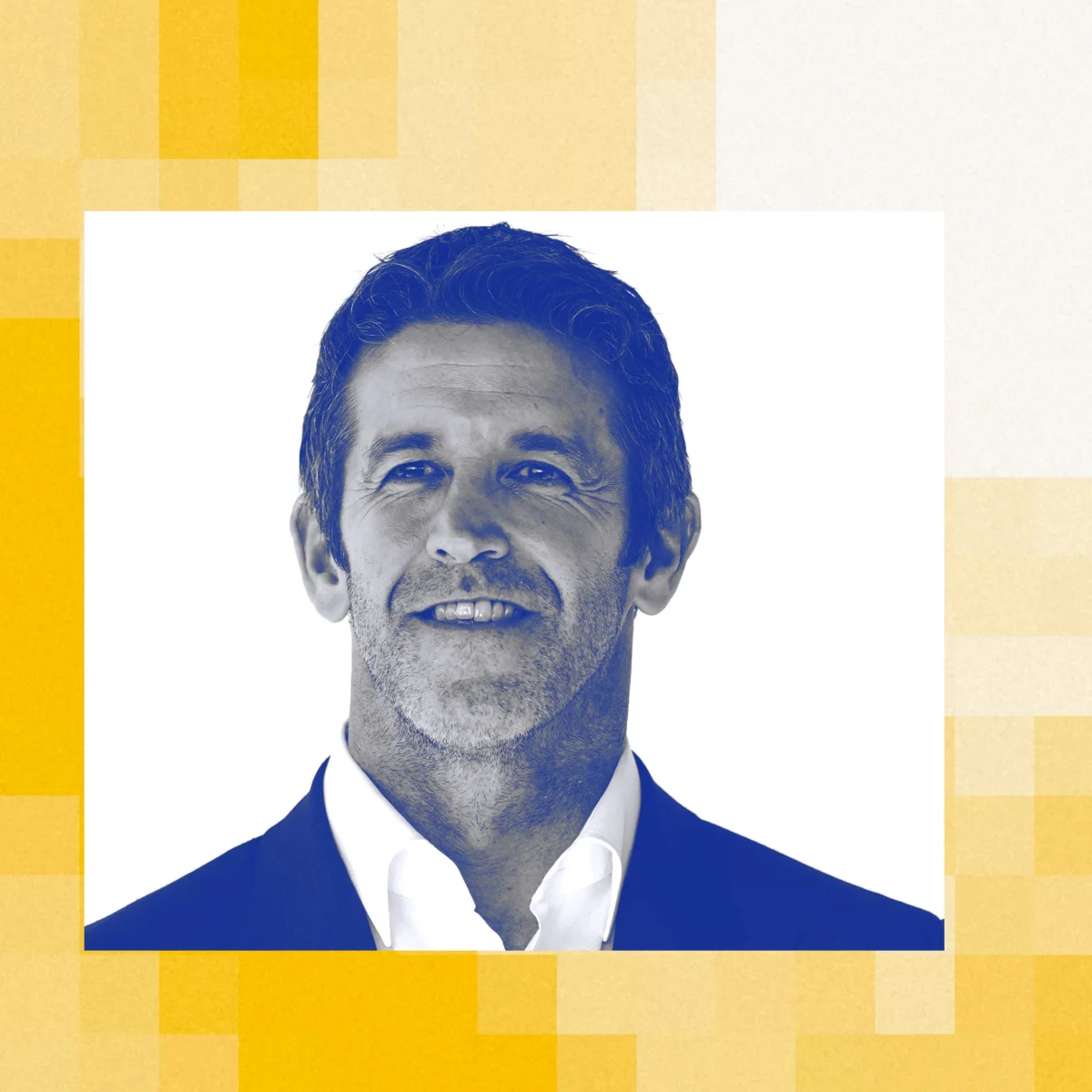
The recent unveiling of Apple’s latest MacBook Pro, marked by a refreshingly understated ceremony, has cast a spotlight on John Ternus, the company’s new chief executive. Stepping onto a low stage at a Los Angeles event space with minimal fanfare, Ternus, at 51, represents a more youth-oriented leadership within Apple’s senior ranks. His tenure, less than two months old, has been defined by a series of product-focused announcements, culminating in this significant hardware reveal. The event itself eschewed lengthy speeches, opting instead for a video showcasing the first Mac with a touchscreen and providing ample opportunity for journalists and industry creators to experience the new laptop firsthand. Demonstrations featuring music producers, filmmakers, photographers, and fashion designers utilizing the device underscored Apple’s enduring commitment to its creative user base.
A particularly resonant moment during the presentation, as noted by attendees, was the restoration of the illuminated Apple logo on the new MacBook Pro. This symbolic return, amidst a global conversation increasingly dominated by artificial intelligence, appears to signal a deliberate message from Apple: hardware remains a foundational pillar of the company’s identity and future.
In the immediate aftermath of the presentation, Ternus granted an exclusive interview, his second in as many days, a rare occurrence that harks back to the access granted to select journalists by his predecessor, Steve Jobs. While acknowledging that he is not Steve Jobs, and is not expected to be, the question of his identity and leadership style looms large for a company of Apple’s stature.
A Deep Dive into Ternus’s Product Acumen
Ternus’s roots at Apple run deep, stretching back to 2015 when he was first profiled for his meticulous work within the company’s Input Design Lab. His ascent to Vice President of Mac, iPad, Ecosystem, and Audio Engineering speaks to a career built on technical expertise and an almost obsessive attention to detail. Anecdotal evidence from his earlier career highlights his commitment to resolving even the most obscure product issues, such as a peculiar sound generated by a redesigned mouse. This dedication to perfection is a hallmark of Apple’s design philosophy, a legacy inherited from Steve Jobs and sustained by Tim Cook.
Ternus himself acknowledges the profound influence of Jobs’s teachings, despite limited direct interaction. "I’ve always felt like sort of a student of Steve’s teachings," Ternus stated in the interview, adding, "And then being able to work very closely with Tim, I’ve been very lucky." This sentiment suggests a leadership style that values continuity and builds upon established principles.
Greg Joswiak, Apple’s SVP of Worldwide Marketing and a veteran of four decades with the company, unequivocally supports Ternus’s product-centric approach. "John innately has a great sense for great products, and that’s what Apple is," Joswiak remarked. "You can’t teach that." This assertion positions Ternus as a natural successor, capable of steering Apple through its next phase without a radical departure from its core values.
The parallels drawn between Ternus’s ascension and that of Microsoft’s Satya Nadella, another long-term employee who rose to CEO, are notable. However, the contexts differ significantly. Nadella was tasked with revitalizing a struggling organization, while Apple has enjoyed a sustained period of unprecedented success. Ternus’s explicit commitment to "continuity" appears to be a key factor in his selection by Apple’s board, signaling a desire for stability and an unbroken trajectory of innovation.
Navigating the Corporate Landscape: A Focus on Internal Collaboration
Ternus’s deep integration into Apple’s culture became evident when questioned about his external influences as a corporate leader. When asked to name non-Apple CEOs he admires, he appeared to be stumped, stating, "I haven’t really thought about that." Similarly, inquiries about impactful business books yielded a modest response: "Not really. Of course I’ve read books, but there’s so much to be learned from the people I get to work with." This response underscores a profound reliance on internal expertise and a belief that Apple’s greatest strength lies within its workforce.
Each attempt to elicit a personal vision for his mark on Apple was met with a redirection towards the company’s unwavering commitment to internal collaboration. This emphasis on collective effort, rather than individual ambition, suggests a leadership model that empowers teams and fosters a shared sense of purpose.
A crucial collaborator for Ternus is Johny Srouji, the visionary behind Apple’s custom silicon initiatives, which have been instrumental in the company’s technological advancements over the past decade. The recent merger of Apple’s hardware engineering and technology organizations, with Srouji at the helm reporting directly to Ternus, signifies a strategic consolidation of critical R&D functions. "John is going to be a great CEO," Srouji stated. "He’s a product guy at heart, but Apple’s secret weapon is the DNA, the culture, which is not going to change. Remember, John has been here for 25 years. It’s not like he’s going to come and everything’s going to be different." This consolidation aims to streamline innovation and ensure that hardware and chip development remain tightly integrated, a vital component for future product advancements.
The Expanding Scope of the CEO Role
The CEO role at a company of Apple’s magnitude extends far beyond product development. With a services business valued at $100 billion, a vast global infrastructure, and the inherent complexities of managing a multinational corporation, Ternus faces a significantly expanded portfolio. When asked about this challenge, he responded with enthusiasm: "One of the amazing privileges of this job is getting to learn so many new things. I have been and will continue to learn and go deeper into different areas. But, you know, I do love product. I’m super passionate about it." This statement reiterates his core focus while acknowledging the broader responsibilities of his new position.
The intersection of technology and public policy is an unavoidable aspect of leading a company like Apple. While Tim Cook, in his role as executive chairman, will continue to handle some high-level policy duties, Ternus indicated a collaborative approach. "Tim is available to help wherever I ask him, and it’s great to have him in that role," Ternus explained. "He obviously has a ton of relationships he’s developed over the years, and of course, I’m building new relationships in this role as well." This suggests a smooth transition of responsibilities, leveraging Cook’s established network while Ternus forges his own path in governmental and regulatory affairs. It is noteworthy that Ternus has yet to engage in direct discussions with former President Donald Trump.
The AI Frontier: A Calculated Approach
The current technological landscape is defined by the rapid evolution of artificial intelligence, a domain where Apple’s performance has faced both scrutiny and praise. Ternus inherits a company navigating the complexities of AI development, with ongoing debates surrounding Siri’s capabilities and Apple’s strategy for integrating AI into its ecosystem.
Two primary narratives frame Apple’s position: one posits that the company has been hampered by a lack of significant AI breakthroughs, particularly with Siri’s perceived lag behind competitors. The other perspective argues that Apple’s cautious approach, prioritizing privacy and organic integration of AI features into its products, is a strategic advantage that will yield long-term benefits.
Ternus expressed confidence in Apple’s current trajectory. "Everyone has an opinion—I really like where we’re at," he stated. "I would hope people recognize that the work we do is building incredible products that make their lives better. We’re absolutely going to leverage AI to do that. We don’t want to ship AI for AI’s sake. When we’re doing it right, people won’t have to think about whether it was AI that made this happen or more traditional software. What matters is, did we build something that they really love?" This philosophy suggests an AI integration that is seamless and user-centric, aiming to enhance existing experiences rather than introducing disruptive, unproven technologies.
The broader question of AI’s impact on the technology ecosystem remains a subject of intense discussion. While some foresee AI agents fundamentally altering how users interact with devices and applications, potentially rendering traditional apps obsolete, Ternus remains optimistic about the continued value of human-created products. "That could make life really easy, I suppose, but the creation of products is a deeply human and personal thing, something that we love to do," he countered. This perspective suggests that while AI will be a powerful tool, it will not diminish the inherent value of human creativity and craftsmanship in product development.
Regarding AI regulation, Ternus emphasized Apple’s commitment to security and user privacy. "We all read the stories and think about it from a cybersecurity standpoint—clearly these models are very capable of doing things. Our focus is on making sure that our products are secure and safe, and protecting the users’ information." This response, while diplomatic, highlights Apple’s priority of safeguarding user data, a core tenet of its brand identity.
Conclusion: The Product-Centric Leader
John Ternus, the new CEO of Apple, appears poised to lead the company with an unwavering focus on product innovation and a deep respect for its established culture. While the complexities of managing a global corporation and navigating the evolving landscape of AI present significant challenges, Ternus’s background and stated priorities suggest a leadership style rooted in continuity, meticulous execution, and a profound understanding of what makes Apple products resonate with consumers. His final question to the interviewer, "What did you think of the logo?", serves as a fitting coda, underscoring his enduring fascination with the tangible and symbolic elements that define Apple’s iconic brand. The illuminated logo, in this context, is more than just a design element; it is a beacon of Apple’s commitment to hardware excellence and a tangible representation of its enduring relevance in an increasingly digital world.
