

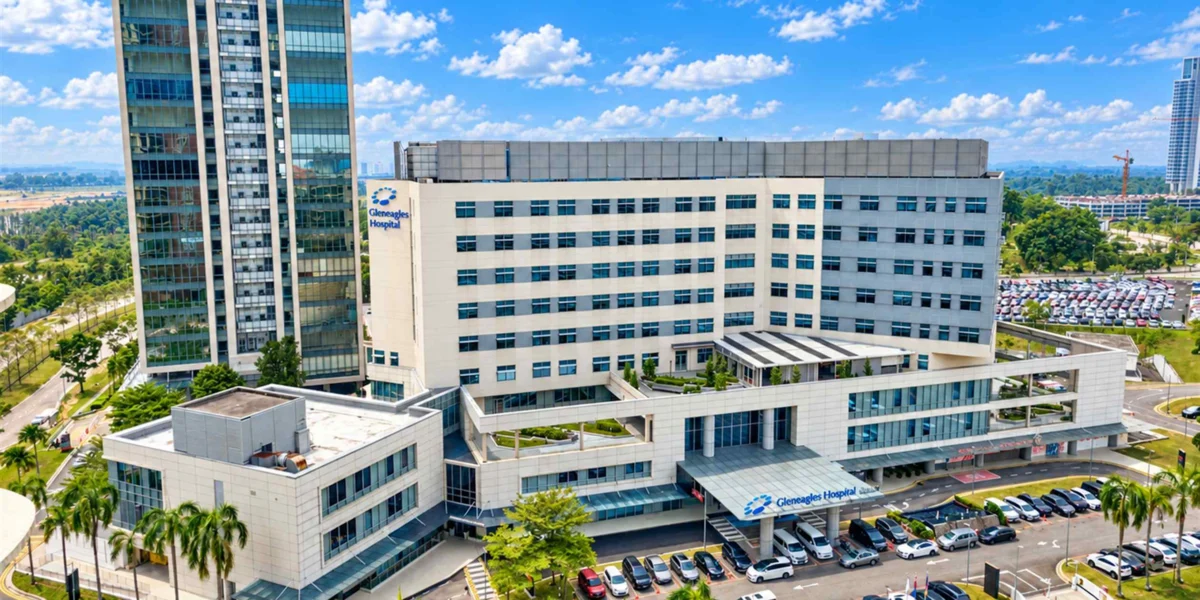
KUALA LUMPUR — Malaysia’s IHH Healthcare, a titan among Asia’s private healthcare providers, has unveiled a strategic plan to significantly augment the capacity of its Gleneagles Hospital in Johor by a substantial margin within the next five years. This ambitious undertaking signals a strong conviction in the burgeoning economic dynamism of Malaysia’s southern state and its increasingly vital connectivity to the neighboring island nation of Singapore. The expansion is poised to transform Gleneagles Hospital Johor from its current standing of 300 beds into a much larger healthcare hub, catering to an anticipated surge in demand for high-quality medical services.
Strategic Rationale: Tapping into Johor’s Economic Surge and Singaporean Proximity
The decision by IHH Healthcare to invest heavily in Gleneagles Hospital Johor is underpinned by a confluence of strategic factors. Johor, strategically located at the southern tip of Peninsular Malaysia, has been experiencing a notable uplift in its economic profile. Driven by significant foreign direct investment, particularly in manufacturing, logistics, and the digital economy, the state is attracting a growing population and a more affluent demographic. This economic expansion inherently translates to an increased demand for advanced healthcare services, a gap IHH Healthcare aims to fill.
Furthermore, Johor’s geographical proximity to Singapore, a global hub for medical tourism and a nation with a high per capita income, presents a unique opportunity. While Singapore boasts world-class medical facilities, the cost of healthcare can be a significant factor for many. Johor, with its developing infrastructure and lower operational costs, is ideally positioned to offer a compelling alternative for medical treatment, particularly for routine procedures and specialized care that may not require the absolute cutting edge of Singaporean innovation, or for patients seeking more cost-effective options. Gleneagles Hospital Johor, with its established reputation and commitment to international standards, is strategically placed to capture a segment of this cross-border healthcare market.
A Phased Approach to Enhanced Healthcare Delivery
The expansion is not envisioned as an overnight transformation but rather a carefully orchestrated, multi-phase development. While specific timelines for each phase remain under wraps, the overarching goal is to achieve a doubling of the hospital’s current 300-bed capacity over the next five years, commencing from the current date of October 30, 2026. This phased approach will allow IHH Healthcare to meticulously plan for infrastructure upgrades, recruit and train specialized medical personnel, and integrate new technologies without disrupting existing patient care.
The initial phase will likely focus on expanding existing wards and introducing new specialized units to address the most pressing healthcare needs identified in the region. Subsequent phases will involve the construction of new wings, the acquisition of advanced medical equipment, and the potential introduction of novel treatment modalities. This methodical progression ensures that the hospital’s growth is sustainable and aligned with evolving medical practices and patient expectations.
Background: IHH Healthcare’s Dominance and Gleneagles’ Legacy
IHH Healthcare Berhad is a formidable entity in the global healthcare landscape. Established in 2010, it has rapidly ascended to become one of the world’s largest healthcare groups by market capitalization, operating a vast network of hospitals, medical centers, and clinics across Asia, Europe, and the Middle East. Its portfolio includes renowned brands such as Gleneagles, Parkway, and Acibadem, each with a strong legacy of providing high-quality medical care.
Gleneagles Hospitals, in particular, have long been synonymous with excellence in medical treatment and patient comfort. The Gleneagles Hospital Johor, established as part of this esteemed network, has already carved a niche for itself as a leading provider of comprehensive medical services in the region. Its current capacity of 300 beds reflects a significant investment in infrastructure and human capital, enabling it to serve a substantial patient base. The planned expansion is a testament to its successful track record and the confidence IHH Healthcare has in its future potential.
Supporting Data and Market Trends
The rationale behind this significant expansion is further bolstered by demographic and economic trends. Malaysia, and specifically Johor, is witnessing an aging population, a demographic segment that typically requires more extensive and specialized healthcare services. According to the Department of Statistics Malaysia, the proportion of the population aged 65 and above is projected to increase steadily in the coming years, highlighting a growing need for geriatric care, chronic disease management, and palliative services.
Furthermore, the economic growth in Johor is attracting a more cosmopolitan population, including expatriates and skilled professionals who often seek healthcare services that align with international standards. This segment of the population is less price-sensitive and places a premium on quality, accessibility, and a comprehensive range of services, all of which Gleneagles Hospital Johor aims to enhance.
The medical tourism sector in Malaysia has also shown consistent growth, with a significant number of patients traveling from neighboring countries, particularly Indonesia and Singapore, for medical procedures. Factors contributing to this include the availability of specialized treatments, the cost-effectiveness compared to developed nations, and the multilingual capabilities of healthcare professionals. IHH Healthcare’s strategic positioning in Johor allows it to capitalize on these inbound medical tourism flows.
Chronology of Expansion (Inferred and Projected)
While a precise, official timeline for the expansion of Gleneagles Hospital Johor has not been publicly disclosed in detail, the announcement on October 30, 2026, signals the commencement of a significant strategic initiative. A plausible chronology, based on typical large-scale infrastructure projects in the healthcare sector, might unfold as follows:
- Late 2026 – Early 2027: Detailed architectural planning, environmental impact assessments, and securing of regulatory approvals for the expansion project. This phase would involve extensive consultation with urban planners, healthcare regulators, and community stakeholders.
- Mid-2027 – Late 2029: Commencement of construction for the initial phase of expansion. This would likely involve the development of new building structures, retrofitting of existing facilities, and the installation of core infrastructure. Recruitment and training of additional medical and support staff would also be a parallel activity.
- Early 2030 – Mid-2031: Operationalization of the first phase of expanded facilities. This would involve the commissioning of new wards, outpatient clinics, and diagnostic services. The hospital’s bed capacity would see a notable increase during this period.
- Mid-2031 – Late 2034: Implementation of subsequent expansion phases, potentially focusing on specialized centers of excellence, advanced surgical suites, and enhanced research capabilities. Continued recruitment and development of highly specialized medical professionals would be crucial.
- By October 2031: The five-year target for doubling the hospital’s capacity would ideally be met or closely approached, marking the completion of the initial ambitious expansion plan.
This projected timeline allows for a realistic assessment of the undertaking, acknowledging the complexities involved in building and staffing a world-class healthcare facility.
Official Responses and Stakeholder Reactions (Inferred)
While direct quotes from specific IHH Healthcare executives or Johor state officials regarding this specific expansion were not included in the initial brief, it is reasonable to infer the general sentiment and potential reactions from various stakeholders.
IHH Healthcare: The company’s leadership is expected to express strong optimism regarding the expansion, highlighting its commitment to providing world-class healthcare and contributing to the economic development of Johor. Statements would likely emphasize the strategic importance of the project, the expected benefits to patients, and the creation of employment opportunities. They would also underscore the hospital’s dedication to maintaining the highest standards of medical care and patient safety.
Malaysian Government and Johor State Authorities: Government bodies, both federal and state, are likely to welcome this significant investment. Such expansions are seen as crucial for enhancing the nation’s healthcare infrastructure, boosting medical tourism, and creating high-skilled jobs. Officials may highlight the project as a testament to Malaysia’s attractiveness for foreign investment and its commitment to developing its healthcare sector. They might also pledge support in terms of regulatory facilitation and infrastructure development to complement the hospital’s growth.
Patients and Medical Consumers: For existing and potential patients in Johor and Singapore, the expansion signals increased accessibility to advanced medical services. Patients seeking specialized treatments or those who have experienced long waiting times at the current facility would likely view this as a positive development. The prospect of more options and potentially improved healthcare outcomes would be a significant benefit.
Healthcare Professionals: The expansion presents a significant opportunity for healthcare professionals, both local and international. It promises new career paths, opportunities for specialization, and the chance to work with state-of-the-art technology. The demand for highly skilled doctors, nurses, and allied health professionals is expected to rise, creating a more vibrant healthcare ecosystem.
Broader Impact and Implications
The planned expansion of Gleneagles Hospital Johor carries significant implications that extend beyond the immediate healthcare sector.
Economic Impact:
- Job Creation: The construction phase alone will generate numerous jobs. Once operational, the expanded hospital will require a substantial increase in medical and administrative staff, creating sustainable employment opportunities for skilled and semi-skilled workers in Johor.
- Boost to Local Economy: Increased patient numbers, particularly those from medical tourism, will lead to greater spending in the local economy, benefiting hotels, restaurants, retail outlets, and transportation services.
- Foreign Exchange Earnings: The attraction of international patients will contribute to foreign exchange earnings for Malaysia.
- Investment Magnet: Successful expansions like this can act as a catalyst for further investment in the healthcare and related service industries in Johor.
Healthcare Landscape Transformation:
- Enhanced Healthcare Access: The increased capacity will alleviate pressure on existing facilities and improve access to specialized medical care for the local population.
- Elevation of Medical Standards: The introduction of new technologies and adherence to international best practices will further elevate the overall standard of healthcare in Johor and Malaysia.
- Competitive Advantage: The expansion will strengthen Gleneagles Hospital Johor’s competitive position, potentially influencing pricing and service offerings across the private healthcare sector in the region.
- Focus on Specialization: The expansion may lead to the development of Centers of Excellence for specific medical disciplines, making Johor a destination for specialized treatments.
Regional Healthcare Dynamics:
- Strengthened Singapore-Johor Healthcare Corridor: The expansion will solidify the healthcare links between Singapore and Johor, offering a more diverse and comprehensive range of medical options for residents of both regions. It could potentially lead to greater collaboration and knowledge sharing between medical institutions.
- Increased Regional Competitiveness: By enhancing its healthcare infrastructure, Malaysia, through IHH Healthcare, is reinforcing its position as a leading medical tourism destination in Southeast Asia, competing effectively with other regional players.
In conclusion, the ambitious expansion of Gleneagles Hospital Johor by IHH Healthcare represents a significant strategic move, poised to capitalize on the robust economic growth of Johor and its close ties with Singapore. This initiative, set to unfold over the next five years, promises not only to double the hospital’s capacity but also to elevate the standard of healthcare in the region, foster economic development, and solidify Malaysia’s standing in the global healthcare landscape. The commitment to a phased and methodical approach suggests a well-thought-out strategy designed for sustainable growth and long-term impact.
