

Restaurant Brands International (RBI), the global quick-service restaurant (QSR) giant behind iconic brands like Burger King, Popeyes, Tim Hortons, and Firehouse Subs, reported a complex set of third-quarter financial results on Thursday, revealing a dichotomy in performance across its portfolio. While the company achieved robust overall growth driven significantly by a revitalized Burger King in its crucial U.S. market, these successes were partially overshadowed by persistent challenges at Popeyes, which continued to underperform. The market’s reaction was immediate and discernible, with shares of RBI falling approximately 2% in morning trading, indicating investor apprehension regarding the uneven recovery trajectory of its key brands.
A Closer Look at Third-Quarter Financials
For the third quarter, Restaurant Brands International reported net income attributable to common shareholders of $542 million, translating to $1.54 per share. This marked a substantial increase from $315 million, or 96 cents per share, recorded in the same period a year earlier, showcasing improved profitability. Excluding certain non-cash items, the company delivered adjusted earnings of $1.10 per share.
On the revenue front, RBI saw a 3.1% rise, reaching $2.53 billion for the quarter. These figures were closely watched by Wall Street analysts, whose consensus expectations, based on a survey conducted by LSEG, provided a benchmark for the company’s performance. While specific analyst estimates for adjusted earnings per share and revenue were not detailed in the original report, the market’s mixed reaction suggests that while some metrics met or exceeded expectations, others, particularly operational outlooks for certain brands, likely fell short.
A critical indicator of health in the restaurant industry, same-store sales growth, demonstrated the company’s overall strength, with an aggregate increase of 3.8% across all its brands globally. This performance extended RBI’s streak to five consecutive quarters of same-store sales growth exceeding 3%, signaling a consistent positive momentum. Notably, this sustained growth occurred despite broader industry trends that saw customer traffic soften during the third quarter, largely attributed to elevated gas prices and general inflationary pressures impacting consumer discretionary spending. However, RBI CEO Josh Kobza offered an optimistic assessment of the current economic climate’s impact on their operations, stating, "The environment, from what we see, has been relatively stable over the last couple of quarters and even into recent months." This suggests that RBI’s strategies have, to some extent, insulated it from wider market headwinds.
Burger King’s U.S. Turnaround: A Strategic Masterclass
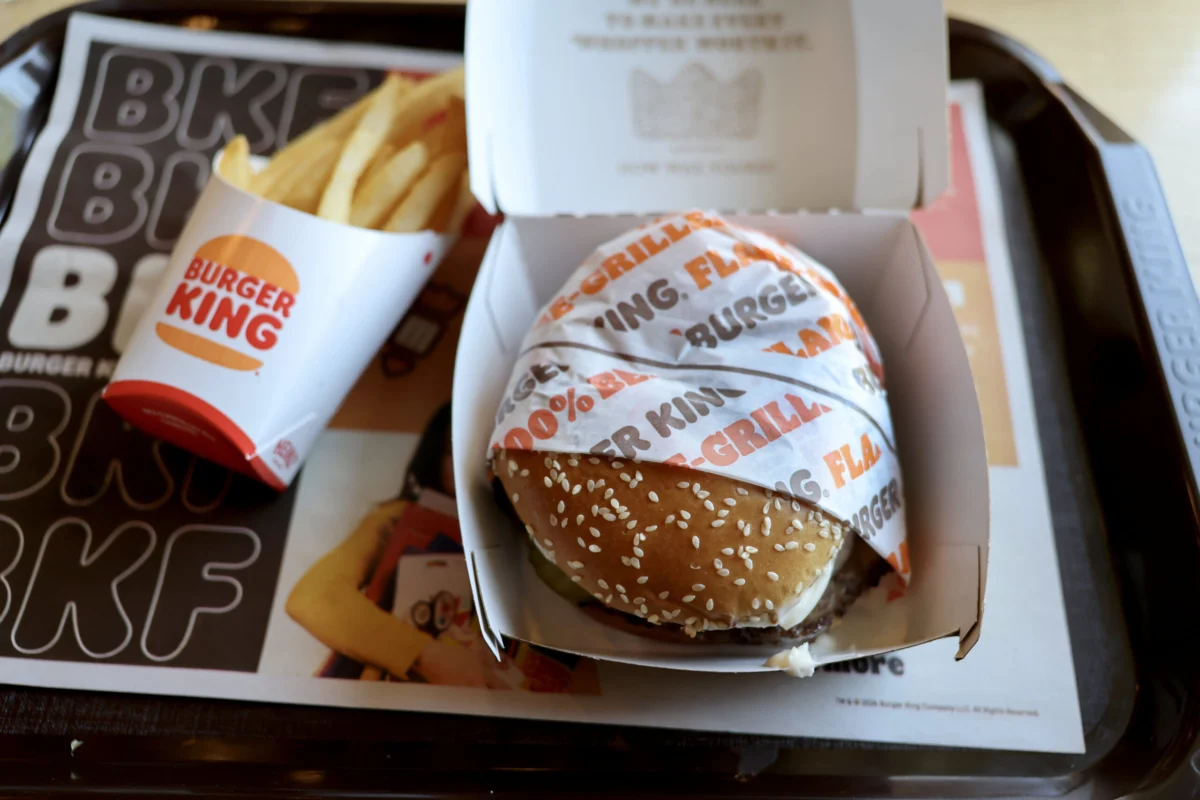
The undeniable star of RBI’s third-quarter report was Burger King’s U.S. operations, which delivered an impressive 8.4% same-store sales growth. This performance is a testament to the success of a multi-year, strategic turnaround initiative designed to rejuvenate the iconic burger chain in its home market. The strategy, dubbed "Reclaim the Flame," launched in 2022, represents a significant investment by RBI and its franchisees in restaurant remodels, technology upgrades, enhanced marketing, and, crucially, menu innovation and quality improvements.
The need for this turnaround was pressing. For years, Burger King had ceded market share to fierce competitors like McDonald’s and Wendy’s, struggling with inconsistent service, outdated restaurant aesthetics, and a perception of declining food quality. The "Reclaim the Flame" plan aimed to address these systemic issues head-on. Investment commitments included $150 million for restaurant remodels and operational improvements, $50 million for marketing and advertising, and additional capital from franchisees. This comprehensive approach sought to elevate the entire customer experience, from ordering efficiency to the taste of its core offerings.
Restaurant Brands Chair Patrick Doyle, a veteran in the QSR space known for his successful tenure at Domino’s Pizza, emphasized the efficacy of these long-term strategies during the earnings conference call. "The plans we’ve put in place over the last several years are working, and we’re going to keep executing against them," Doyle affirmed. He further highlighted the consistent outperformance, stating, "Burger King has delivered over four years of industry outperformance, and now we’ve seen three consecutive quarters of truly exceptional results." This consistent positive trend suggests that the foundational changes implemented are bearing fruit, fostering renewed customer loyalty and attracting new patrons.
A key component of this resurgence has been a renewed focus on product quality and menu innovation. Earlier this year, Burger King initiated improvements to its flagship Whopper sandwich, a move critical for a brand built on the legacy of its flame-grilled burgers. Following this, the company turned its attention to another high-volume menu item: chicken nuggets. CEO Josh Kobza acknowledged that customer feedback had long pointed to an opportunity in this area. "Nuggets and sauces, frankly, we knew for a while that there was an opportunity," Kobza told CNBC. "We’ve heard it loud and clear from our guests."
The relaunch of Burger King’s nuggets on September 1, featuring 100% white meat chicken, proved to be an immediate success. Kobza reported on the earnings call that sales of the upgraded nuggets had surged by more than 35% since their introduction, demonstrating the significant impact of targeted menu enhancements. This strategy of continuous improvement is set to continue, with the company planning further upgrades to other core menu items in the coming year, signaling a sustained commitment to product excellence as a cornerstone of its turnaround.
Tim Hortons: Steady Growth in Its Canadian Stronghold
RBI’s Canadian coffee and baked goods chain, Tim Hortons, demonstrated steady performance in its home market, reporting a same-store sales growth of 1.8%. Tim Hortons holds a unique cultural significance in Canada, serving as a daily ritual for millions. To maintain its market leadership and attract new demographics, the brand has been actively diversifying its menu offerings.
A notable initiative in July was the launch of a new line of matcha drinks. This move aimed to tap into the growing popularity of matcha beverages, particularly among younger consumers and those seeking alternatives to traditional coffee. The introduction of these trendy new options proved effective in drawing more customers to its locations, especially during the traditionally quieter afternoon hours. By expanding its beverage portfolio beyond its classic coffee and iced cappuccinos, Tim Hortons is strategically positioning itself to capture a broader share of the non-breakfast daypart, enhancing overall store traffic and revenue. The consistent, albeit more modest, growth at Tim Hortons underscores its stable market position and the effectiveness of its localized marketing and menu strategies.
Popeyes’ Persistent Hurdles and Revised Outlook
In stark contrast to Burger King’s soaring success, Popeyes Louisiana Kitchen once again emerged as the laggard in RBI’s portfolio. The fried chicken chain’s U.S. same-store sales fell by 2.2%, marking a continued period of struggle. This downturn is particularly noteworthy given Popeyes’ meteoric rise during the "chicken sandwich wars" of 2019, which saw its introduction of a crispy chicken sandwich generate unprecedented hype and drive massive sales growth, briefly propelling it to the forefront of the competitive fried chicken market.
However, maintaining that momentum has proven challenging. In recent quarters, Popeyes has faced intense competition, with rivals such as Chick-fil-A and KFC aggressively deploying discounts and promotional offers to attract and retain customers. Chick-fil-A, renowned for its operational efficiency and customer service, continues to dominate the segment, while KFC has made significant strides in revitalizing its brand and value propositions. These competitive pressures have made it difficult for Popeyes to stand out and maintain its market share.
RBI is acutely aware of Popeyes’ struggles and is attempting to orchestrate a comeback through a two-pronged strategy: improving restaurant operations and refocusing on its core menu items. The company had previously expressed optimism that Popeyes would return to positive same-store sales growth in the second half of 2026. However, CEO Josh Kobza delivered a revised, more cautious outlook during the earnings call, indicating that the company now believes this turnaround will take longer than initially anticipated. Despite this, Kobza did note that traffic trends for Popeyes are showing signs of improvement, suggesting that efforts to enhance the customer experience may be gradually yielding results.
Several factors contributed to Popeyes’ underperformance in the third quarter. The return of its popular $6 Big Box promotion in September, while intended to boost sales, yielded less significant results than expected. This indicates that even established value offerings might be struggling to cut through the noise of a highly promotional market. Furthermore, the chain had scaled back its limited-time offering of wings to shift focus back to its core menu items, a strategic decision that, while aimed at long-term stability, negatively impacted sales in the short term. This highlights the delicate balance between promotional innovation and solidifying a core product offering in a competitive segment. The challenge for Popeyes lies in recapturing the magic of its original chicken sandwich phenomenon and translating it into sustained, broad-based menu appeal while fending off aggressive competitors.
International Business: A Source of Consistent Growth
Beyond its domestic operations, Restaurant Brands International’s international business segment continued to be a robust performer, reporting a healthy 3.9% same-store sales growth. This global expansion is a critical component of RBI’s overall strategy, leveraging the brand recognition of Burger King, Popeyes, and Tim Hortons in diverse markets. The international growth was primarily fueled by the strong performance of its Burger King locations across various regions, mirroring the brand’s domestic resurgence on a global scale. This geographical diversification helps to mitigate risks associated with single-market fluctuations and provides a consistent engine for overall company growth.
Leadership Commentary and Strategic Outlook
RBI’s leadership team, including CEO Josh Kobza and Chair Patrick Doyle, used the earnings call to reiterate their commitment to the long-term strategies that have driven recent successes, particularly at Burger King. They emphasized the importance of continued investment in restaurant quality, operational efficiency, and menu innovation across all brands. While acknowledging the challenges at Popeyes, the tone remained one of strategic resolve, focusing on the underlying improvements in traffic and operational execution as precursors to future sales growth. The leadership’s perspective on the broader economic environment as "relatively stable" also signals confidence in their ability to navigate potential consumer spending shifts without resorting to drastic changes in strategy.
The share price decline following the announcement, despite positive overall revenue and Burger King’s stellar performance, underscores how closely investors scrutinize the health of all brands within a diverse portfolio. The delayed turnaround at Popeyes, a brand that once held significant growth potential, likely weighed heavily on investor sentiment, suggesting that the market is prioritizing a balanced recovery across all segments rather than just celebrating individual brand successes. Analysts will continue to monitor Popeyes’ progress, as its return to growth is seen as crucial for RBI to unlock its full potential and achieve consistent, strong financial performance across its entire global footprint.
Broader QSR Landscape and RBI’s Strategic Position
RBI’s mixed third-quarter results provide a microcosm of the broader QSR industry, which is currently navigating a complex environment characterized by persistent inflation, evolving consumer preferences, and fierce competition. While some chains report softening traffic, RBI’s ability to maintain overall same-store sales growth above 3% for five consecutive quarters suggests its strategies are resonating with consumers.
The success of Burger King’s turnaround highlights the importance of investing in core product quality and the customer experience, proving that even legacy brands can recapture relevance with a focused strategy. The challenges at Popeyes, conversely, underscore the intense competition in niche segments like fried chicken and the difficulty of sustaining momentum in a promotional environment. For RBI, the path forward involves continuing to nurture Burger King’s resurgence, methodically addressing Popeyes’ operational and competitive hurdles, and leveraging the steady performance of Tim Hortons and its international operations. The company’s ability to balance these divergent narratives will be critical in shaping its trajectory in the coming quarters and solidifying its position as a global QSR leader. The ongoing focus on menu innovation, operational excellence, and strategic marketing across its diverse portfolio will be key to ensuring sustained growth and shareholder value in an ever-evolving market landscape.
