

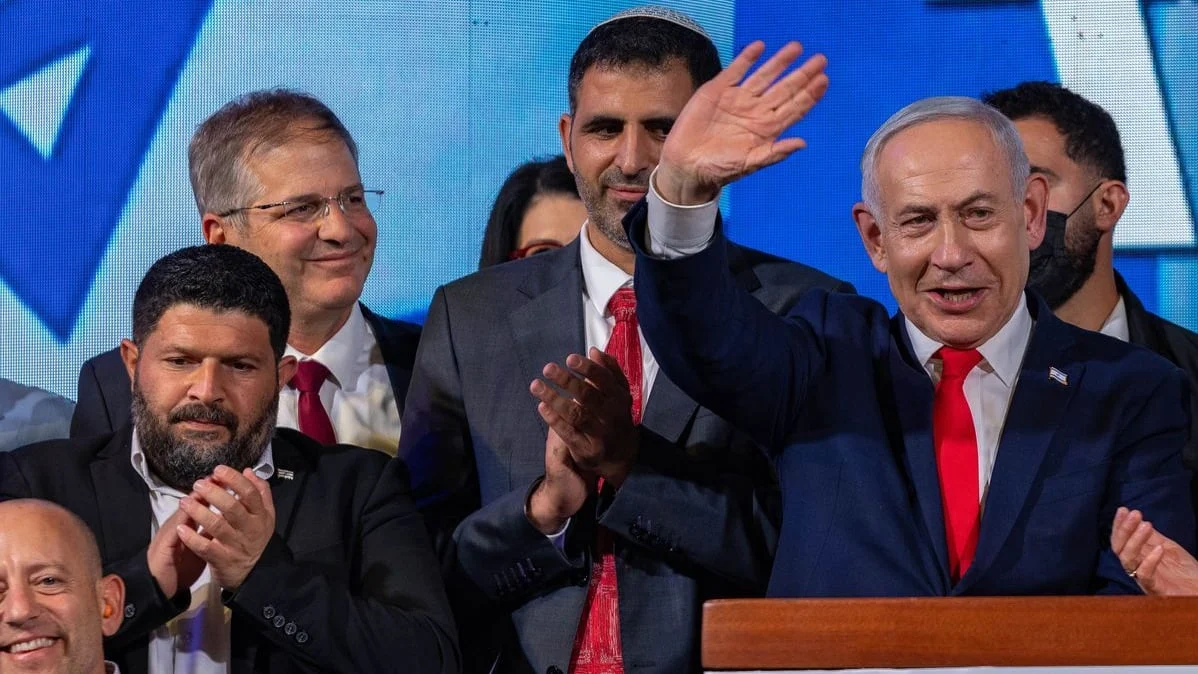
Israel witnessed a surge in voter turnout, reaching levels not seen since 1999, as citizens flocked to polling stations on Tuesday. The phrase "Hitzbata?" (Have you voted?) became a ubiquitous greeting, underscoring the profound national engagement with this pivotal election. Tens of thousands of Israelis living abroad reportedly returned to cast their ballots, and participation among Arab Israelis was notably higher than usual, a significant deviation from historical trends where this demographic typically shows lower engagement. This heightened participation, reaching nearly 78 percent, suggests a widespread acknowledgment of the election’s critical importance, with many Israelis deeming it one of the most existential votes in the nation’s history.
The election was framed by a deeply polarized electorate, with voters driven by opposing motivations. For many, the ballot box represented an opportunity to hold Prime Minister Benjamin Netanyahu accountable for perceived failures. Key grievances cited included the inability to prevent the Hamas attack on October 7th, what some describe as an attempted undermining of the rule of law, and a four-year period characterized by the disproportionate influence of ultra-Orthodox parties and West Bank settlers who, critics argue, were able to pursue their specific agendas with significant state funding.
Conversely, a significant portion of the electorate was motivated by a profound fear of a Palestinian state and a desire for a leader perceived to have strong ties with then-U.S. President Donald Trump, a relationship that could potentially facilitate further actions against Iran. This dualistic drive – one seeking retribution and reform, the other prioritizing security and geopolitical alliances – created an intensely charged political atmosphere, reflecting the deep fissures within Israeli society.
Background and Context: A Nation in Flux
The election takes place against a backdrop of immense national trauma and ongoing geopolitical challenges. The October 7th Hamas attacks, which resulted in the deaths of approximately 1,200 people and the taking of over 240 hostages, sent shockwaves through Israel, exposing vulnerabilities and triggering a period of intense introspection and national mourning. The subsequent Israeli military response in Gaza has led to a significant humanitarian crisis and widespread international condemnation.
Furthermore, the years leading up to this election were marked by significant political instability. Benjamin Netanyahu, Israel’s longest-serving Prime Minister, has been a dominant figure in Israeli politics for decades. His tenure has been characterized by a strong focus on national security, a hawkish stance towards the Palestinians, and a complex relationship with the judiciary. His government, formed after a lengthy period of political deadlock, had been criticized for its controversial judicial overhaul plans, which many feared would erode democratic checks and balances.
The rise of religious and nationalist parties within Netanyahu’s coalition had also become a significant point of contention. These parties, often advocating for policies that favor religious Jews and settlers in the West Bank, have been accused of exacerbating tensions with the Palestinian population and international partners. The perceived unchecked influence of these factions, coupled with economic concerns and a general sense of disillusionment with the political establishment, fueled a desire for change among a substantial segment of the population.
A Chronology of Political Turmoil
Israel’s political landscape has been in a state of flux for several years, characterized by frequent elections and unstable coalition governments. The most recent period of intense political activity can be traced back to late 2018, when then-Prime Minister Benjamin Netanyahu called for early elections. This led to a series of elections in 2019 and 2020, each failing to produce a clear winner and resulting in protracted coalition negotiations.
In May 2020, a unity government was formed between Netanyahu’s Likud party and the Blue and White party led by Benny Gantz. However, this alliance proved fragile, and the government collapsed in December 2020, triggering yet another election in March 2021. The subsequent election in March 2021 saw a diverse coalition of parties, ranging from left-wing to right-wing factions, unite to oust Netanyahu after 12 years in power. Naftali Bennett, a former ally of Netanyahu, and Yair Lapid, the leader of the centrist Yesh Atid party, alternated as Prime Minister.
This government, however, also faced significant challenges and ultimately collapsed in June 2022, leading to another election in November 2022. This election resulted in a significant victory for Benjamin Netanyahu and his right-wing bloc, paving the way for his return to power. His current government, formed in late 2022, was characterized by the inclusion of hardline nationalist and ultra-Orthodox parties, setting the stage for the deep divisions that have characterized the lead-up to the current vote. The October 7th attacks in 2023 further complicated the political landscape, leading to the formation of an emergency unity government that included some opposition figures, though this too proved temporary, highlighting the deep-seated challenges in forming stable and broadly accepted governance in Israel.
Supporting Data and Trends
The high voter turnout is a significant indicator of public sentiment. Historically, Israeli elections have seen robust participation, but the figures reported on Tuesday suggest a heightened sense of urgency and engagement. Data from previous elections provides context:
- 2022 General Election: Voter turnout was approximately 71.3%.
- 2021 General Election: Voter turnout was approximately 67.2%.
- 2020 General Election: Voter turnout was approximately 71.0%.
- April 2019 General Election: Voter turnout was approximately 68.5%.
- 1999 General Election: Voter turnout was approximately 78.7% (the highest since 1999, as mentioned in the original text).
The surge in turnout, nearing the record set in 1999, indicates a particularly charged electoral environment. The increased participation among Arab Israelis is also noteworthy. In past elections, turnout among this demographic has often lagged behind the national average, sometimes falling below 50%. A higher turnout from this significant minority group could have a substantial impact on the overall results, reflecting either increased political engagement or a strategic response to the prevailing political climate and specific policy concerns.
The composition of the electorate is also crucial. Israel has a multi-party system, and coalition governments are the norm. The current political environment is shaped by the presence of numerous parties, each representing distinct ideological viewpoints, from secular centrist and left-wing parties to religious nationalist and ultra-Orthodox factions. The ability to form a stable coalition government often depends on the arithmetic of these smaller parties and their willingness to join forces.
Official Responses and Political Statements
In the immediate aftermath of the election, with preliminary results beginning to emerge, political leaders from across the spectrum issued statements.
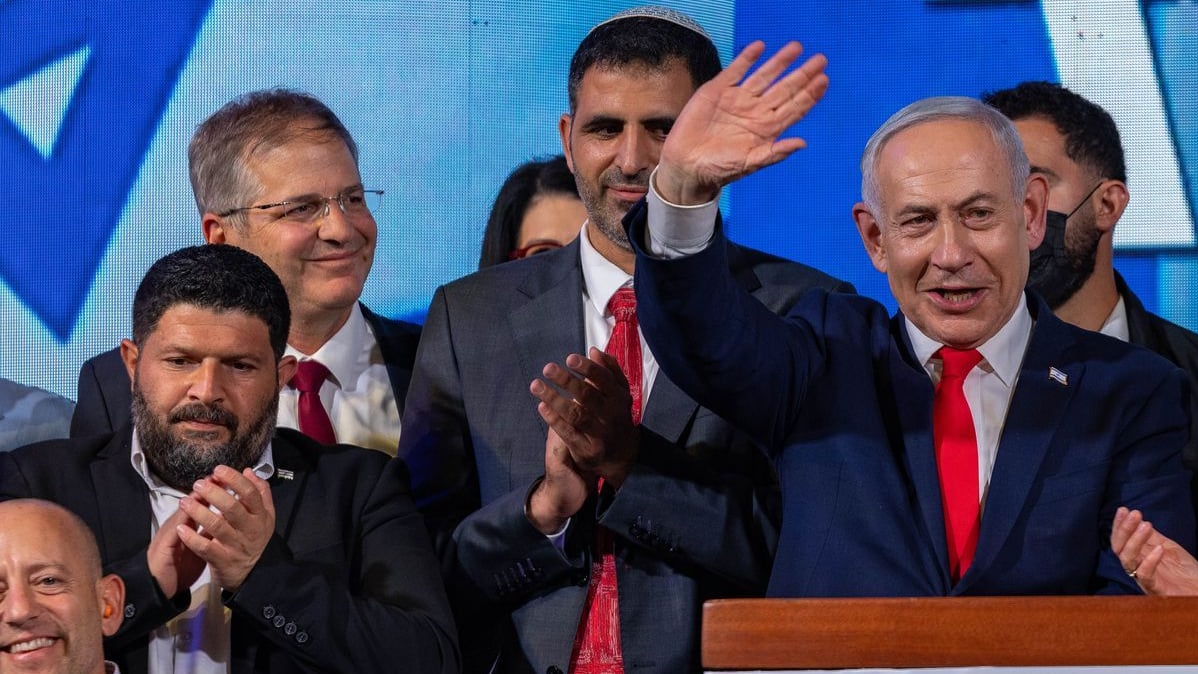
Prime Minister Benjamin Netanyahu, addressing his supporters, reiterated his commitment to leading a strong and secure government. He emphasized the need for national unity in the face of ongoing security threats and highlighted his experience in navigating complex international relations. He also signaled his intention to form a government that would prioritize Israel’s security and national interests, likely signaling a continuation of his previous policies.
Opposition leaders, while acknowledging the high turnout and the public’s desire for a stable government, also voiced concerns about the future direction of the country. Figures like Benny Gantz and Yair Lapid called for a government that would unite the nation, address the critical security challenges, and uphold democratic values. They also pointed to the need for a thorough review of the security failures preceding the October 7th attacks and a commitment to rebuilding trust with the international community.
Statements from parties representing the ultra-Orthodox and national religious communities have also been forthcoming. These parties have historically sought to secure concessions and policy advancements related to their communities’ specific needs, including religious education funding and policies related to settlements in the West Bank. Their pronouncements indicate a continued focus on these core issues as they engage in potential coalition negotiations.
Broader Impact and Implications
The outcome of this election carries significant implications for Israel’s domestic and foreign policy, as well as its regional standing.
Domestic Policy: A decisive victory for any particular bloc will shape the government’s agenda. A continuation of a right-wing coalition could see a renewed push for policies favored by religious and nationalist parties, potentially leading to further tensions over settlements and religious affairs. Conversely, a shift towards a more centrist or inclusive government might signal a greater emphasis on social cohesion, economic reforms, and a more balanced approach to governance. The deeply ingrained divisions within Israeli society, however, suggest that any government will face the challenge of bridging these divides and fostering a sense of national unity.
Foreign Policy and Regional Relations: The election results will inevitably influence Israel’s relationship with key international actors, including the United States, European nations, and Arab states. A government perceived as more moderate may find it easier to engage in diplomatic initiatives and de-escalate regional tensions. Conversely, a government with a more hardline stance could face increased international scrutiny and potential friction. The ongoing conflict in Gaza and the broader Israeli-Palestinian conflict remain central challenges that will demand significant diplomatic attention and strategic decision-making.
Economic Outlook: The political stability or instability that follows the election will have a direct bearing on Israel’s economic prospects. Investor confidence, foreign investment, and domestic economic policies are all sensitive to the political climate. A clear mandate and a stable government are generally seen as positive indicators for economic growth and development.
Security Landscape: In the immediate aftermath of the October 7th attacks, national security remains the paramount concern for most Israelis. The government’s approach to dealing with Hamas, managing the situation in Gaza, and addressing the broader threat from Iran will be heavily influenced by the composition and priorities of the newly formed government. The election will therefore be closely watched by regional actors and international powers concerned with stability in the Middle East.
The high voter turnout underscores the electorate’s deep engagement and the critical stakes involved. As the country awaits the final results and the formation of a new government, the path forward will undoubtedly be complex, requiring careful navigation of domestic divisions and formidable regional challenges.
