

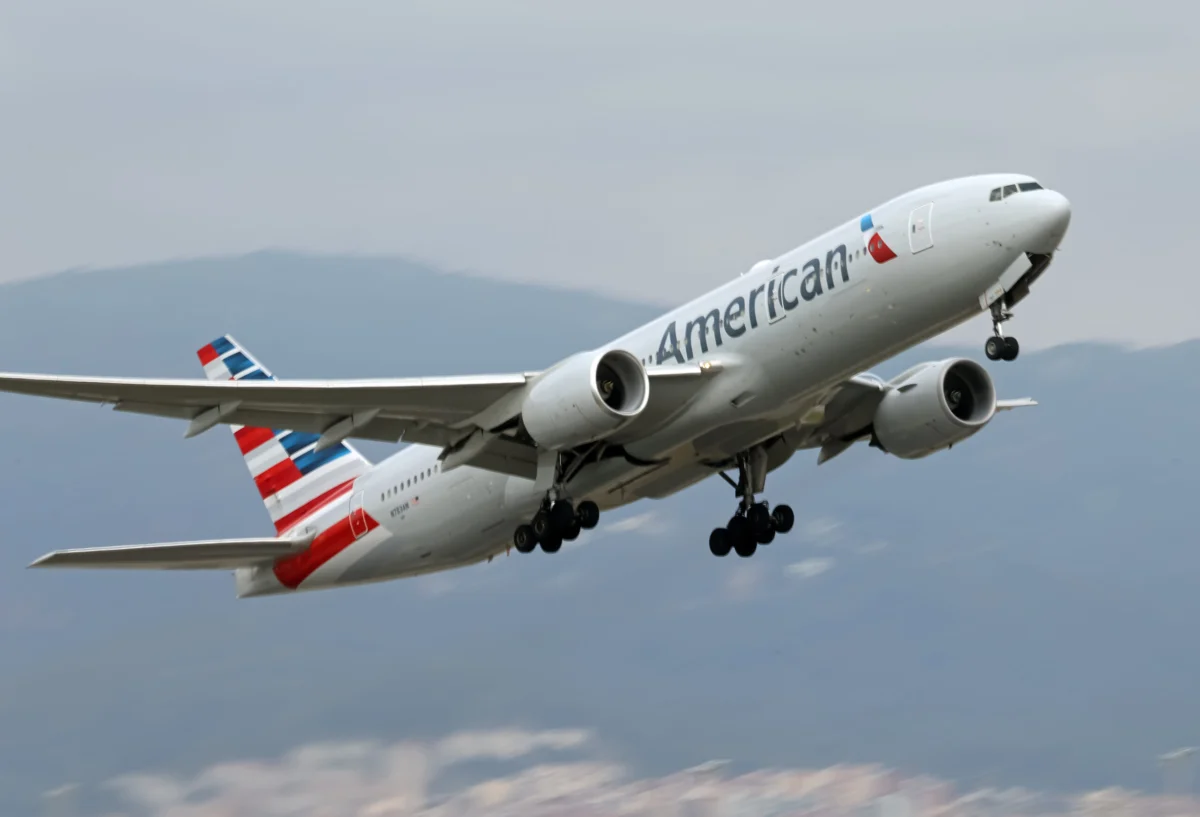
American Airlines is set to implement its first significant annual fee increase since 2018 for two of its popular rewards credit cards, the Citi AAdvantage Platinum Select World Elite Mastercard and the Citi AAdvantage Business Mastercard. The move, announced on a Tuesday in late 2025, signals a broader industry trend among major airlines and their banking partners to recalibrate the value proposition of co-branded credit cards. The annual fee for both cards will climb from $99 to $150, effective January 24, 2026, but will be accompanied by a suite of new benefits designed to enhance the cardholder experience and justify the increased cost.
The Evolving Landscape of Airline Co-Branded Cards: A Lucrative Partnership
Co-branded credit cards represent a cornerstone of airline revenue, generating billions of dollars annually through the strategic sale of loyalty miles to financial institutions. These banks then distribute these miles to their cardholders as rewards for spending, fostering customer loyalty and driving engagement with the airline’s brand. For airlines, this revenue stream is particularly attractive as it is typically high-margin and less susceptible to the volatile operational costs that characterize the aviation industry. Post-pandemic, as airlines navigated unprecedented financial challenges and then a resurgence in travel demand, the importance of these partnerships has only grown. Loyalty programs, underpinned by these credit cards, are not merely about accumulating points; they are sophisticated ecosystems designed to capture customer spend, encourage repeat business, and create a significant ancillary revenue stream that often outperforms core flight operations in terms of profitability.
The partnership between American Airlines and Citi has been a long-standing and mutually beneficial arrangement, allowing both entities to tap into a vast customer base of frequent flyers and business travelers. The AAdvantage program, one of the largest and most established airline loyalty programs globally, boasts tens of millions of members, many of whom hold a co-branded credit card. These cards are instrumental in driving engagement within the AAdvantage ecosystem, encouraging members to choose American Airlines for their travel needs and spend across various categories to accrue miles and status-qualifying elements.
American Airlines’ Strategic Recalibration: Specifics of the Fee Adjustments
The forthcoming fee adjustment for the Citi AAdvantage Platinum Select World Elite Mastercard marks its first increase since 2018, when the annual fee moved from $95 to $99. This latest hike to $150 represents a substantial 51% increase from its previous rate, signaling a clear strategic shift by American Airlines and Citi to position the card within a more premium segment of the travel rewards market. Similarly, the Citi AAdvantage Business Mastercard will also see its annual fee rise to $150, aligning the cost structure for both personal and business cardholders.
However, the fee increase is not without corresponding enhancements to the card’s value proposition. American Airlines is introducing several new benefits aimed at offsetting the higher cost and appealing to its target demographic of frequent and semi-frequent travelers:
- Triple AAdvantage Miles on Hotel Bookings: Cardholders will now earn three times the AAdvantage miles on hotel stays booked through American Airlines’ dedicated portal. This enhancement significantly boosts the earning potential for travelers who often combine flights with hotel accommodations, encouraging them to consolidate their travel planning through American’s platform.
- Global Entry or TSA PreCheck Credit: A credit of up to $120 will be offered every four years to cover the application fee for either Global Entry or TSA PreCheck. These expedited security programs are highly valued by frequent travelers for their ability to streamline the airport experience, saving time and reducing stress. Given that the Global Entry fee is currently $100 and TSA PreCheck is $78 for five years, this credit effectively covers the cost of these essential travel conveniences, providing a tangible benefit that easily offsets a significant portion of the annual fee.
- Annual In-Flight Purchase Statement Credit: Cardholders will receive a $100 annual statement credit on eligible in-flight purchases, such as food, beverages, and Wi-Fi. This benefit directly rewards cardholders for their spending during flights, enhancing the in-flight experience and effectively reducing out-of-pocket expenses for services often utilized by travelers.
An airline spokesperson, in an inferred statement, emphasized that these enhancements were carefully selected to provide "meaningful value" to cardholders, aligning with the evolving expectations of today’s travelers. "We are committed to continuously improving the AAdvantage program and our co-branded card offerings," the spokesperson might have stated. "These new benefits reflect our dedication to delivering a superior travel experience and rewarding the loyalty of our customers, ensuring their investment in our cards translates into tangible benefits both on the ground and in the air." Similarly, a representative from Citi would likely underscore the strength of their partnership with American Airlines and their joint commitment to providing "best-in-class financial products that enhance our customers’ travel journeys."
A Broader Industry Trend: Following Suit in the Premium Segment
American Airlines’ decision to raise fees and enhance benefits is not an isolated event but rather a strategic response within a competitive and rapidly evolving landscape of travel rewards credit cards. Over the past year and a half, several major airlines and premium credit card issuers have undertaken similar initiatives, signaling a widespread industry trend towards premiumization.
- United Airlines: In March 2025, rival United Airlines also implemented fee increases and benefit enhancements across several of its co-branded credit cards with Chase. For instance, the United Explorer Card saw its annual fee rise, while the United Quest Card and United Club Infinite Card also received adjustments. These changes typically included additional travel credits, boosted earning rates on specific categories, or expanded lounge access, mirroring American’s strategy of coupling higher costs with richer perks.
- American Express Platinum Card: In September 2025, American Express significantly revamped its iconic Platinum Card, increasing its annual fee from $695 to $895. This substantial hike was justified by an array of new and enhanced benefits, including additional statement credits for digital entertainment, fitness, and hotel stays, alongside its existing comprehensive suite of luxury travel perks such like extensive airport lounge access, elite hotel status, and premium travel insurance. The Amex Platinum, targeting ultra-premium travelers, set a new benchmark for what consumers might expect from high-fee travel cards.
- Chase Sapphire Reserve: Not to be outdone, JPMorgan Chase followed suit in June 2025, increasing the annual fee for its competing premium travel card, the Chase Sapphire Reserve, from $550 to $795. This card, a favorite among affluent travelers, also introduced new benefits such as enhanced spending categories, additional travel credits, and improved redemption options, aiming to maintain its competitive edge in the luxury travel card market.
These parallel movements across the industry are driven by a confluence of factors. Economically, persistent inflationary pressures have increased operational costs for airlines, from fuel and labor to maintenance and airport fees. Simultaneously, a robust resurgence in global travel demand, particularly within the premium leisure segment, indicates a strong consumer willingness to invest in travel-related perks and conveniences. Airlines and banks are capitalizing on this demand, betting that the added value of enhanced benefits will outweigh the increased annual fees for their target clientele, who prioritize comfort, efficiency, and exclusive access.
Implications for Travelers and the Competitive Market
For current and prospective American Airlines cardholders, the fee increase necessitates a re-evaluation of the card’s value proposition. While a $51 increase from $99 to $150 might seem significant, the added benefits – a $120 Global Entry/TSA PreCheck credit (every four years, which averages to $30/year if fully utilized), a $100 annual in-flight credit, and enhanced hotel earning – demonstrably offset the fee increase if utilized effectively. A cardholder who takes advantage of the in-flight credit and periodically uses the TSA PreCheck credit will effectively pay less than the previous $99 fee, making the card potentially more valuable despite its higher sticker price. This strategic bundling of benefits is a deliberate effort to ensure that the cards remain attractive to their core user base, especially those who frequently travel with American Airlines.
The move by American Airlines also intensifies the competitive dynamics within the airline loyalty and credit card sectors. By enhancing its offerings, American is striving to maintain parity and even gain an edge against rivals like United, Delta, and Southwest, all of whom have robust co-branded card portfolios. This "arms race" for premium cardholders drives innovation, forcing airlines and banks to continually refine their loyalty programs and credit card products to attract and retain high-value customers. These customers are often highly profitable, not just through credit card spend but also through their increased likelihood of flying premium cabins and engaging with ancillary services.
From a broader market perspective, this trend towards higher annual fees for premium travel cards, coupled with a richer array of benefits, signifies a maturing market segment. Consumers are increasingly sophisticated in their understanding of rewards programs, often calculating the tangible value of benefits against annual fees. Issuers are responding by tailoring products to specific traveler profiles, offering a tiered approach where higher fees unlock more exclusive perks. This could lead to a further segmentation of the market, with basic cards remaining low-fee or no-fee, while premium cards continue to push the boundaries of annual costs and corresponding luxury services.
Future Outlook and Consumer Response
The long-term success of American Airlines’ fee adjustment will hinge on cardholder satisfaction and the perceived value of the new benefits. While some initial attrition might occur from price-sensitive customers, the airline and Citi are likely banking on the enhanced perks resonating strongly with their target audience, particularly those who regularly utilize services like TSA PreCheck or make in-flight purchases. The 3x hotel miles benefit also positions the card more competitively in the broader travel rewards ecosystem, where hotel spending is a significant category.
This strategic move reinforces the critical role that co-branded credit cards play in the financial health and customer loyalty strategies of major airlines. As the travel industry continues its post-pandemic recovery and adapts to evolving consumer behaviors, expect further innovation and adjustments in the premium travel credit card space, driven by a relentless pursuit of profitability and customer engagement. American Airlines’ latest announcement is not just a fee hike; it’s a calculated repositioning within a dynamic market, aimed at cementing its appeal to its most valuable customers while bolstering its vital ancillary revenue streams.
