

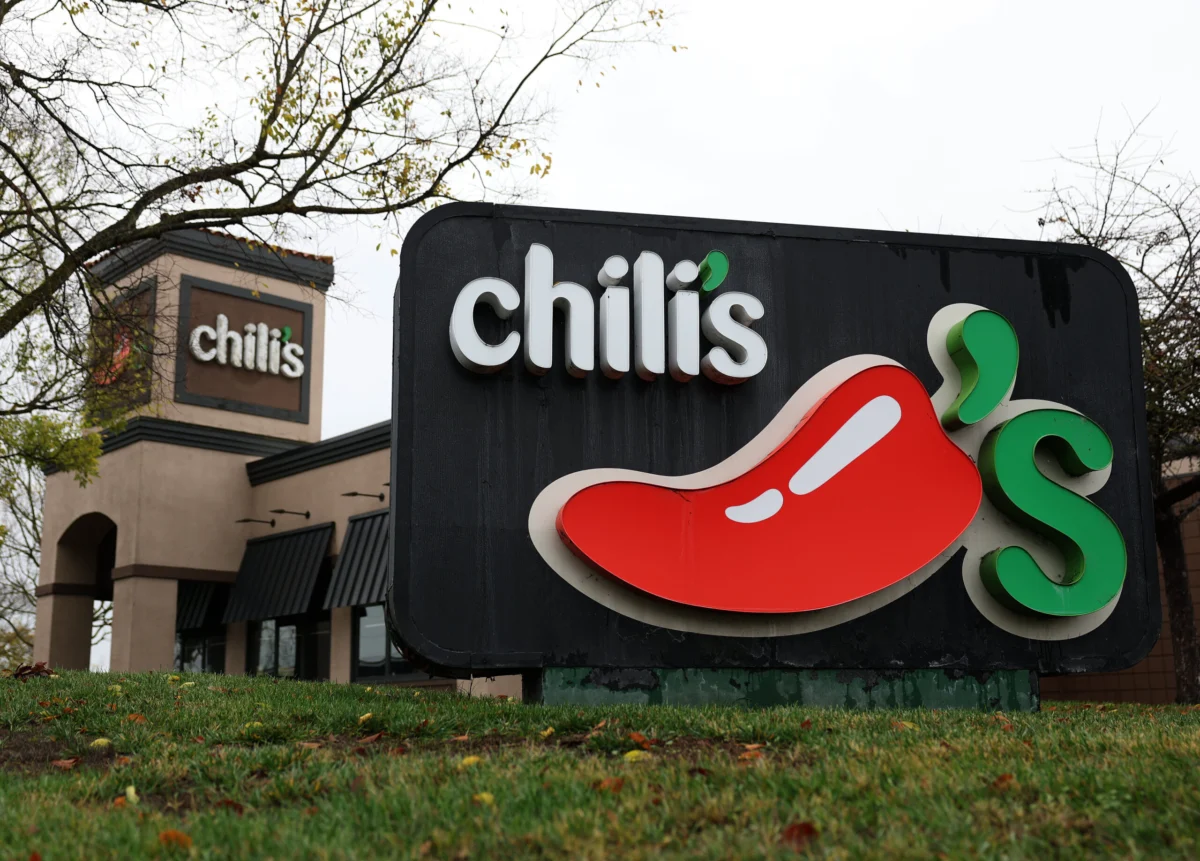
The landscape of publicly traded restaurant companies has witnessed a striking divergence in performance this year, with a clear pattern emerging: companies boasting a diverse portfolio of brands are largely outperforming their single-concept counterparts. This trend underscores a crucial strategic advantage in an increasingly challenging economic environment where consumer spending habits are under intense scrutiny and inflationary pressures persist.
The Great Divide: Multi-Brand vs. Single-Concept Performance
As of December 2024, the stock market has drawn a stark line through the restaurant sector. Leading the charge among the outperformers are multi-brand conglomerates. Brinker International, the parent company of Chili’s and Maggiano’s Little Italy, has seen its shares surge approximately 32% year-to-date. Darden Restaurants, a powerhouse with brands like Olive Garden, LongHorn Steakhouse, Cheddar’s Scratch Kitchen, and Capital Grille under its umbrella, has delivered an impressive 18% return. Restaurant Brands International (RBI), which manages global quick-service giants Burger King, Tim Hortons, and Popeyes, has also posted a solid 12% gain for investors. These companies collectively span a wide spectrum of dining experiences, from casual family dining to premium steakhouses and fast-food staples, appealing to diverse consumer segments.
Conversely, prominent single-concept chains have struggled to maintain momentum. Industry titans like McDonald’s, a global leader in fast food, and Chipotle Mexican Grill, a dominant force in fast-casual, have both experienced declines this year. Newer market entrants such as Cava, alongside established players like Wendy’s, Shake Shack, and Domino’s, have also seen their stock values drop, with several experiencing double-digit percentage losses. These companies, while successful in their specific niches, rely almost entirely on the consistent appeal and performance of their singular core brand.
This split performance is not merely coincidental; it reflects a broader market assessment of risk and resilience. In an era where consumers are more discerning about where and how they spend their discretionary income on dining out, the ability to pivot, leverage different price points, and cater to varying tastes across multiple brands appears to be a significant buffer against market volatility.
Economic Backdrop: The K-Shaped Recovery and Consumer Caution
To fully appreciate the significance of this trend, it is vital to contextualize it within the prevailing economic climate. The global economy, particularly in key markets like the United States, has been characterized by persistent inflation, elevated interest rates, and an uneven, or "K-shaped," recovery. This "K-shaped" recovery signifies that different segments of the population are experiencing vastly different economic realities. While higher-income households might continue to patronize fine dining establishments, middle and lower-income consumers are increasingly seeking value, convenience, or opting to dine out less frequently.
Throughout 2024, inflationary pressures on food, labor, and energy costs have squeezed restaurant operators’ margins. Concurrently, consumers have faced rising costs for essential goods and services, leaving less disposable income for discretionary spending like dining out. This has intensified competition across the industry, forcing brands to innovate on menus, pricing strategies, and customer loyalty programs.
In this environment, a company with a diversified portfolio can better navigate these choppy waters. If one brand, perhaps a casual dining chain, experiences a slowdown due to budget-conscious consumers, another brand within the same portfolio, such as a value-oriented quick-service chain or a more resilient upscale concept, can help offset the decline. This built-in shock absorber is proving invaluable compared to a single-brand entity that bears the full brunt of any shift in consumer preference or economic downturn affecting its specific niche.
The Diversification Advantage: Case Studies in Resilience
Darden Restaurants: A Model of Strategic Diversification
Darden Restaurants stands as a prime example of a multi-brand strategy successfully navigating economic complexities. The company’s portfolio includes well-known brands such as Olive Garden, LongHorn Steakhouse, Capital Grille, Eddie V’s, Seasons 52, Bahama Breeze, and Cheddar’s Scratch Kitchen. This breadth allows Darden to appeal to a wide array of diners across different price points and dining occasions.
Mizuho Securities restaurant analyst Nick Setyan lauded Darden’s approach, stating, "Darden is probably the best case of the scale and size and diversity of business. If one business isn’t doing well, the other ones are." This dynamic has been evident in recent quarters. For instance, while Olive Garden, Darden’s largest brand, reported a comparable sales increase of 1.1% in its latest reported quarter, LongHorn Steakhouse significantly outpaced it with a robust 6.2% rise in comparable sales. LongHorn’s consistent growth has effectively provided a crucial cushion, demonstrating the internal balancing act that diversification enables.
KeyBanc Capital Markets, in an October research note, echoed this sentiment, highlighting Darden’s "exposure to a broad range of consumers" as a key positive. The firm maintains a "buy-equivalent" rating on Darden, with a price target of $237, signaling strong confidence in its diversified model, especially given the current price hovering around $215. This confidence stems from Darden’s ability to cater to both the value-seeking casual diner and the more affluent patron seeking a premium experience, a critical advantage in a K-shaped economy.
Restaurant Brands International (RBI): Navigating Portfolio Dynamics
Restaurant Brands International (RBI) presents another compelling case, though with its own set of challenges within its diversified portfolio. RBI’s global footprint includes Burger King, Tim Hortons, and Popeyes Louisiana Kitchen, offering exposure to distinct fast-food categories and international markets.
While the overall performance has been positive, the individual brand contributions highlight the ongoing management of a diverse portfolio. In the second quarter of the fiscal year, Burger King’s U.S. comparable sales accelerated impressively to 8.5%, building on a 5.8% gain in the first quarter. This strong momentum was crucial, especially as Tim Hortons’ Canadian comparable sales slowed considerably to just 0.1% from 1.5% over the same period. This illustrates that even within a diversified portfolio, strong performance from one brand can be essential to offset softness in another.
Nick Setyan of Mizuho noted Burger King’s recent resurgence as central to RBI’s overall momentum, attributing it to the brand’s improved ability to communicate its value offerings to customers, particularly as competitors like McDonald’s faced slowing sales growth. "If it weren’t for Burger King’s current performance, I don’t know if [Restaurant Brands] would be going so well," he commented. Mizuho initiated coverage of RBI on October 20 with a "buy-equivalent" rating and an $85 price target, compared to its recent trading price of approximately $76, reflecting optimism about the company’s strategic execution. The company’s ability to turn around Burger King’s performance while leveraging the growth of Popeyes and the steady presence of Tim Hortons showcases the strategic advantage of having multiple levers to pull.
Brinker International: Quietly Gaining Ground
Brinker International, with its Chili’s Grill & Bar and Maggiano’s Little Italy brands, also exemplifies the benefits of diversification within the casual dining segment. While Chili’s offers a broad appeal with its value-driven menu and widespread presence, Maggiano’s caters to a more upscale Italian dining experience. This dual approach allows Brinker to capture different customer segments and occasions. The impressive 32% year-to-date stock performance suggests that investors are recognizing the stability and growth potential derived from managing two distinct, yet complementary, brands. The ability to cater to both casual family dining and special occasion meals provides a robust defense against fluctuating consumer preferences within the broader casual dining market.
The Single-Brand Challenge (and Opportunity)
While diversification offers a safety net, the struggles of single-concept chains highlight their inherent vulnerability. Companies like McDonald’s, Chipotle, Wendy’s, Shake Shack, Cava, and Domino’s are entirely dependent on the continuous strength, innovation, and consumer appeal of their sole brand. Any misstep in menu development, pricing strategy, marketing, or operational efficiency can have an immediate and significant impact on their financial performance and, consequently, their stock valuation.
Giants Under Pressure: McDonald’s, Chipotle, Wendy’s
Even industry behemoths like McDonald’s have felt the squeeze. Despite its global dominance and unparalleled brand recognition, the company has faced challenges in certain markets, with sales growth moderating and competition intensifying, particularly in the value segment. Chipotle, a darling of the fast-casual movement, has also seen its stock decline, grappling with pricing sensitivities and the ever-present need for menu innovation to keep consumers engaged. Wendy’s, another long-standing QSR player, has similarly experienced headwinds. These companies, while possessing immense scale, lack the internal portfolio diversification to offset localized or concept-specific slowdowns. Their strategies often revolve around intensifying loyalty programs, optimizing digital channels, and refining their core menu offerings.
Niche Players: Cava, Shake Shack, Domino’s
Newer or more niche single-brand concepts like Cava and Shake Shack, which have generated significant buzz, are also navigating a tough market. Cava, focusing on Mediterranean fast-casual, and Shake Shack, known for its premium burgers, operate in competitive segments where consumer preferences can shift rapidly. Domino’s, a leader in pizza delivery, faces constant pressure from aggregators and other pizza chains. Their stock performance this year reflects the difficulty of maintaining growth momentum when solely relying on one concept in a volatile market.
Single-Brand Success Stories: Starbucks and Cheesecake Factory
However, it’s crucial to acknowledge that a singular focus is not inherently a weakness. Some single-brand companies have defied the broader trend, proving that exceptional brand identity, strong execution, and deep customer connection can drive outperformance. Starbucks, the global coffee giant, and The Cheesecake Factory, a distinctive casual dining chain, stand out as restaurant stock successes this year, climbing 21% and nearly 123% respectively.
Starbucks’ success can be attributed to its unique "third place" experience, robust digital engagement, and consistent innovation in beverages and food items. Its decision to focus on its core coffee business, notably declining to acquire Chipotle after reportedly considering such a move, underscores a strategic belief in maximizing the potential of its singular, powerful brand. The Cheesecake Factory, with its expansive menu and unique dining experience, has also demonstrated that a strong, well-executed concept can thrive, even without a diverse portfolio. These examples highlight that while diversification offers a cushion, unwavering brand strength and operational excellence remain paramount.
Analyst Perspectives and Market Sentiment
The consensus among many Wall Street analysts is that diversification offers a critical cushion, particularly in the current economic climate. This perspective is not new but has gained renewed emphasis as consumer spending patterns become more unpredictable. Analysts are increasingly scrutinizing companies’ exposure to different income brackets and dining occasions.
The upcoming quarterly earnings reports, starting next week, will provide the market with another critical look at how these differing strategies are affecting performance. These reports will likely reinforce the narrative of resilience for diversified players and potentially highlight the challenges for single-brand entities that have yet to demonstrate a clear path to renewed growth.
Moreover, the market’s enthusiasm for diversified models is further evidenced by the confidential filing for an Initial Public Offering (IPO) by Inspire Brands. Inspire Brands, a privately held company, boasts an impressive portfolio that includes Dunkin’, Baskin-Robbins, Arby’s, Buffalo Wild Wings, Jimmy John’s, and Sonic Drive-In. Its move towards going public signals strong investor appetite for companies with broad market appeal and inherent risk mitigation through brand variety. An Inspire Brands IPO could serve as a bellwether for the continued valuation of multi-brand strategies.
Strategic Implications for the Industry
This pronounced divergence in stock performance carries significant implications for the future strategic direction of the restaurant industry:
- Increased M&A Activity: The success of diversified portfolios could spur more mergers and acquisitions, with larger groups seeking to acquire promising single brands to bolster their portfolios, or single-brand companies seeking to be acquired for stability.
- Focus on Portfolio Management: For existing multi-brand companies, the emphasis will be on optimizing their portfolio, ensuring each brand contributes positively and provides strategic synergies. This might involve divesting underperforming brands or investing heavily in high-growth concepts.
- Innovation for Single-Brand Chains: Single-brand companies will need to double down on innovation, operational efficiency, and deep customer engagement to maintain relevance and drive growth. This could mean accelerating digital transformations, enhancing loyalty programs, and relentlessly focusing on product quality and value.
- Investor Preferences: Investors are likely to continue favoring companies with diversified revenue streams and demonstrable resilience against economic shifts, potentially leading to higher valuations for multi-brand groups.
- Adaptation to Consumer Trends: The industry as a whole will need to remain highly adaptable to evolving consumer preferences, whether it’s the demand for healthier options, plant-based alternatives, convenience through digital ordering, or experiential dining. Multi-brand companies have more avenues to test and implement these trends across their various concepts.
Looking Ahead: Earnings Season and Beyond
The upcoming earnings season will be a crucial test for the prevailing narrative. Investors will be keenly watching for commentary on consumer spending trends, cost management, and individual brand performance within diversified portfolios. The performance of key brands like Darden’s Olive Garden and LongHorn Steakhouse, and RBI’s Burger King and Tim Hortons, will be scrutinized to assess the continued efficacy of their respective strategies.
The long-term trajectory suggests that while strong, unique single brands will always find their place, the strategic advantage of diversification in the restaurant sector is becoming increasingly pronounced. Companies that can successfully manage multiple distinct concepts across varying price points and consumer segments appear better equipped to navigate the unpredictable economic currents and shifting consumer behaviors of the modern dining landscape. As the industry continues to evolve, the ability to offer a broad culinary canvas, rather than a single brushstroke, may prove to be the most resilient path to sustained success.
