

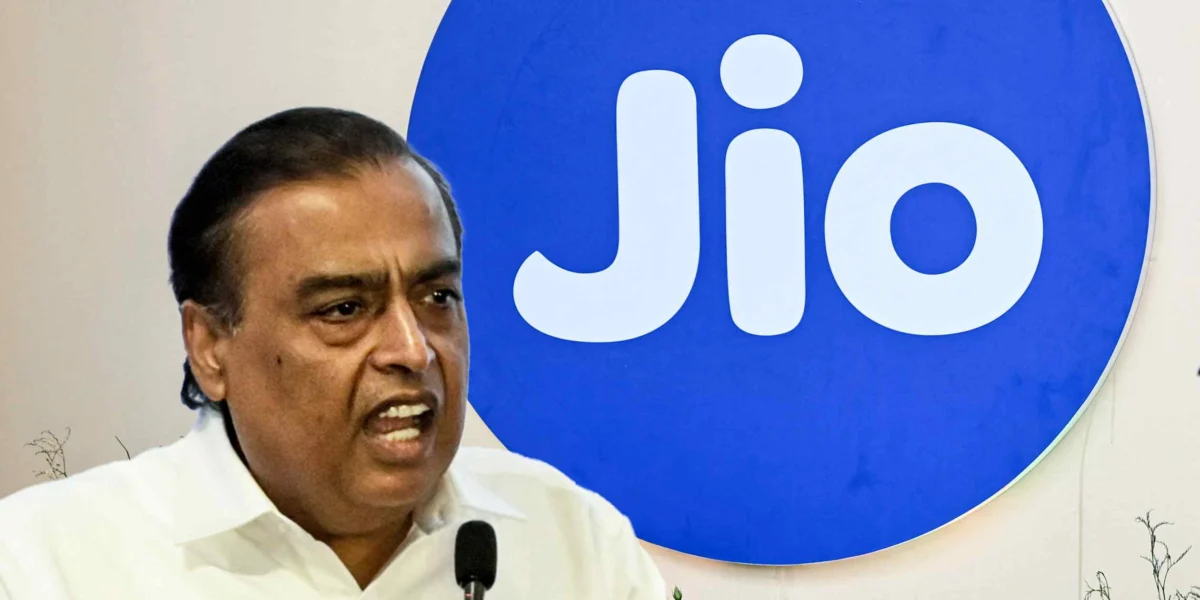
Reliance Industries Chairman Mukesh Ambani is navigating a pivotal moment for his conglomerate, orchestrating the initial public offering (IPO) of Jio Platforms, India’s largest telecom entity, in a move valued at an impressive $3.2 billion. This significant listing, which marks the largest IPO in India’s history, unfolds against a backdrop of considerable volatility in Reliance’s traditional and core oil and petrochemical businesses. The strategic decision to bring Jio Platforms to the public markets underscores a dual imperative: to solidify Jio’s transformation into a formidable technology company and to lay the groundwork for a carefully planned succession, with Ambani’s three children poised to inherit key leadership roles within the expansive Reliance empire.
The genesis of this landmark IPO can be traced back to a transformative announcement in September 2016. During Reliance Industries’ annual general meeting, Chairman Mukesh Ambani, a figure synonymous with India’s industrial growth, unveiled a new strategic direction for the petrochemical behemoth. Behind a striking new red emblem, Ambani introduced Jio as more than just a telecommunications provider; it was envisioned as the vanguard of a digital revolution in India, aiming to connect millions and foster a digital ecosystem. This vision has since materialized into a sprawling digital services company, encompassing not only mobile and broadband services but also a burgeoning suite of digital platforms and applications.
The Journey of Jio Platforms: From Disruption to Dominance
The journey of Jio Platforms has been nothing short of meteoric since its commercial launch in September 2016. Driven by an aggressive pricing strategy that disrupted the Indian telecom landscape, Jio rapidly garnered a massive subscriber base, forcing established players to adapt or face obsolescence. Within months of its launch, Jio had surpassed tens of millions of users, a testament to its disruptive pricing and robust network infrastructure. By early 2017, it had already crossed the 100 million subscriber mark, a feat unprecedented in the industry.
This rapid customer acquisition was fueled by a strategy of offering free voice calls and significantly cheaper data plans, effectively democratizing internet access for a vast segment of the Indian population. The subsequent years saw Jio consistently innovate, expanding its service offerings to include a comprehensive digital ecosystem. This expansion involved the launch of JioTV, JioCinema, JioMusic (later integrated into JioSaavn), and a host of other digital services designed to cater to the evolving needs of its user base.
The company’s strategic partnerships and investments have been crucial to its growth. Over the past few years, Jio Platforms has attracted significant investments from global technology giants, including Facebook (now Meta Platforms) and Google. These investments, totaling billions of dollars, not only provided substantial capital but also brought strategic expertise and access to cutting-edge technologies, further bolstering Jio’s position as a tech-centric entity. The infusion of capital from these tech titans underscored the global recognition of Jio’s potential and its role in India’s digital future.
Financial Underpinnings and Market Valuation
The $3.2 billion IPO represents a significant valuation for Jio Platforms, reflecting its substantial market share, revenue streams, and growth prospects. While specific financial figures for the IPO are subject to regulatory filings and market conditions, preliminary indications suggest a strong demand from investors eager to tap into India’s rapidly expanding digital economy. The company’s revenue has seen consistent growth, driven by its expanding subscriber base and the increasing adoption of its digital services.
In the fiscal year ending March 2026, Reliance Industries reported that Jio Platforms contributed a significant portion of the conglomerate’s overall revenue, highlighting its growing importance. Analysts point to the company’s robust average revenue per user (ARPU) and its expanding ecosystem of digital services as key drivers of its valuation. The IPO aims to raise capital not only to fuel further expansion but also to provide a liquidity event for existing investors and to enhance the public profile of Jio Platforms as an independent entity.
The Oil Business Conundrum: A Shadow Over the Listing
The timing of Jio’s IPO is particularly noteworthy given the prevailing volatility in Reliance Industries’ traditional oil and petrochemical businesses. Global crude oil prices have experienced significant fluctuations, influenced by geopolitical tensions, supply-demand imbalances, and the ongoing transition towards cleaner energy sources. This inherent cyclicality and price sensitivity in the oil sector can impact overall investor sentiment towards Reliance Industries.
Reliance’s oil-to-chemicals (O2C) division, historically the bedrock of its profitability, is facing headwinds. The company has been actively working to diversify its revenue streams and reduce its reliance on fossil fuels. Investments in renewable energy, digital services, and retail have been part of this strategic pivot. The successful listing of Jio Platforms can be seen as a move to unlock value from its high-growth digital assets, thereby potentially de-risking the overall Reliance portfolio and providing a clearer valuation for its various business segments.
Succession Planning: A New Chapter for the Ambani Dynasty
Beyond the financial and strategic implications, the Jio IPO is intrinsically linked to Mukesh Ambani’s long-term vision for succession. Ambani, who has steered Reliance Industries to become one of India’s largest and most diversified conglomerates, has been gradually grooming his three children – Akash, Isha, and Anant – for leadership roles. Akash Ambani has been actively involved in Jio’s operations, Isha Ambani has focused on the retail and digital ventures, and Anant Ambani has been steering the new energy business.
The IPO of Jio Platforms, a key pillar of the group’s future growth, is seen as a significant step in this transition. By bringing Jio to the public markets, Ambani is not only enabling its independent growth trajectory but also empowering his heirs with greater autonomy and accountability in managing a publicly listed entity. This move is crucial for ensuring a smooth and structured handover of leadership, a complex undertaking for a business empire of Reliance’s scale and scope.
Reactions and Analyst Perspectives
The announcement of the Jio Platforms IPO has elicited a range of reactions from market participants and industry observers. Investment banks and financial institutions involved in the IPO process have expressed optimism about the strong investor interest. They highlight Jio’s dominant market position, its innovative business model, and the immense potential of India’s digital economy as key attractions for potential investors.
Analysts generally view the IPO as a positive development for Reliance Industries, enabling it to unlock the value of its digital assets and provide a clearer investment thesis for shareholders. However, some caution that the success of the IPO will be contingent on prevailing market conditions and the company’s ability to articulate a compelling growth story that can justify its valuation amidst global economic uncertainties.
"This IPO is a strategic masterstroke by Mukesh Ambani," commented a senior analyst at a leading Mumbai-based brokerage firm. "It allows Jio to tap into public capital for its ambitious expansion plans while providing a distinct valuation for its technology-driven businesses, separate from the more cyclical oil and gas segment. It also sets a precedent for how large Indian conglomerates can strategically unbundle and list their high-growth divisions."
Broader Implications for the Indian Economy and Tech Sector
The $3.2 billion IPO of Jio Platforms is poised to have significant ripple effects across the Indian economy and its burgeoning technology sector. As the largest IPO in India’s history, it signals a renewed confidence in the Indian capital markets and the potential for large-scale technology listings. This could encourage other Indian tech companies to pursue public offerings, further deepening the country’s equity markets.
Furthermore, the success of Jio’s digital transformation and its public listing can serve as a catalyst for innovation and competition within the Indian tech ecosystem. By making advanced digital services more accessible and affordable, Jio has played a crucial role in driving digital inclusion. Its continued growth and investment in new technologies are expected to foster job creation and economic development.
The IPO also underscores the growing global interest in India as an investment destination, particularly in its digital economy. As more international investors gain exposure to Indian tech companies through listings like Jio’s, it could lead to increased foreign direct investment and further integration of India into the global digital landscape.
Looking Ahead: Challenges and Opportunities
While the Jio Platforms IPO presents a significant opportunity, the company and its leadership will face several challenges. The intense competition within the Indian telecom and digital services market, coupled with the need to maintain profitability and manage debt, will require astute strategic execution. Furthermore, navigating the evolving regulatory landscape and ensuring data privacy and security will be paramount.
However, the opportunities are equally substantial. India’s large and young population, coupled with increasing internet penetration and digital literacy, provides a fertile ground for continued growth. Jio’s established brand, vast customer base, and diversified digital offerings position it well to capitalize on these trends. The company’s ability to innovate and adapt to changing consumer preferences will be key to its long-term success and its ability to cement its position as a global technology powerhouse.
The coming years will be critical for Jio Platforms as it embarks on its journey as a publicly listed entity. The capital raised from the IPO will undoubtedly fuel its expansion, but its ability to translate this into sustainable growth and profitability will be closely watched by investors and analysts alike. As Mukesh Ambani orchestrates this monumental shift, the Jio IPO stands not just as a financial transaction, but as a defining moment in the evolution of one of India’s most influential business empires and a significant indicator of the nation’s digital aspirations.
