

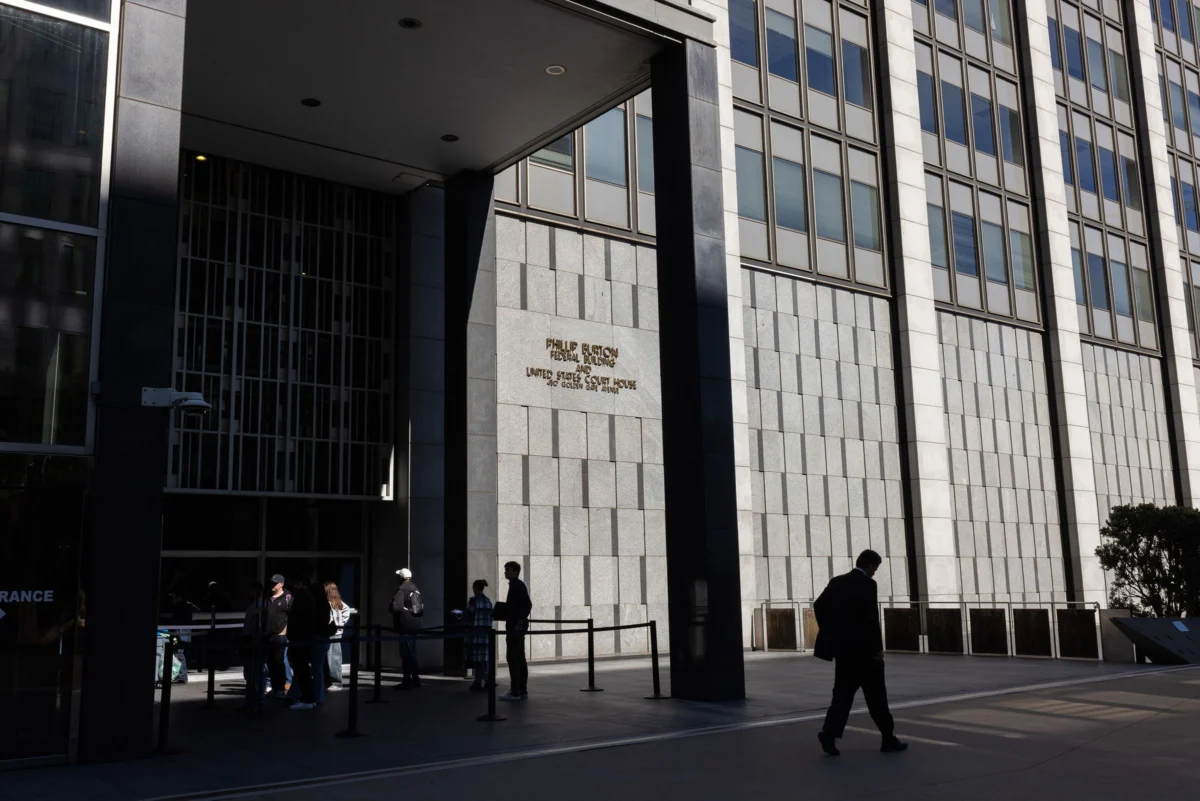
A federal judge has ordered Abdulrahman Alfozan, a former engineer at the prominent artificial intelligence company OpenAI, to remain in custody pending trial. The ruling, delivered on Monday, stems from significant concerns raised by prosecutors and the court regarding Alfozan’s deep connections to Saudi Arabia and the potential for him to flee the United States. The case, which involves allegations of planting a covert recording device in a company conference room, has escalated beyond a workplace dispute, drawing in geopolitical undertones and raising questions about international espionage within the high-stakes world of AI development.
The Allegations: Bugging a Conference Room and Suspected Foreign Influence
The core of the legal proceedings revolves around accusations that Alfozan, a Saudi national who was a permanent resident of the U.S. and on a path to citizenship, used an AI chatbot to assist in planting a recording device within an executive conference room at OpenAI’s offices. The device was reportedly discovered concealed within a wad of toilet paper behind a television in a room frequently used for confidential business meetings. OpenAI discovered the bug in late September, traced it back to Alfozan, and subsequently terminated his employment just prior to his arrest by the FBI earlier this month.
Alfozan faces a potential five-year prison sentence for a single count of using a device to intercept communications. However, prosecutors have indicated that additional charges are likely. Evidence presented by the government includes alleged conversations between Alfozan and an AI chatbot, wherein he sought assistance in setting up listening devices. Further complicating the prosecution’s case, authorities have presented a photograph taken of Alfozan examining the area behind the television after OpenAI had removed the recorder, suggesting his awareness of the device. The extent of any recorded conversations remains unclear, as the device’s data was encrypted, according to official statements.
Geopolitical Tensions and Flight Risk Concerns
The crux of the decision to deny bail lies in the perceived flight risk associated with Alfozan, heavily influenced by his ties to the Saudi Arabian government. Prosecutors have argued that the Saudi government has offered Alfozan unconditional support, citing an offer from the Saudi consulate to collaborate with a bail bonds firm to facilitate his release. This offer, described by U.S. prosecutors as an open-ended financial commitment, has raised alarm bells for the court.
Federal magistrate judge Alex Tse expressed deep skepticism about the nature of this support, questioning whether Alfozan might be considered an "asset" to the kingdom and how a bond backed by the Saudi government could truly ensure his presence in the U.S. "I find that problematic," Judge Tse stated during the hearing, characterizing the offer as a "blank check" and expressing a preference for personal assets from Alfozan’s family to be put forward as collateral. The judge emphasized that a financial guarantee from a foreign government with no stated limits could not adequately mitigate the risk of Alfozan absconding.
Background and Alleged Recruitment Efforts
Adding another layer of complexity to the case are allegations of Alfozan’s extensive communications with individuals connected to the Saudi government. Court filings reveal that Alfozan was reportedly in frequent WhatsApp communication with a member of the Saudi royal family throughout 2025 and 2026. This individual, whose identity has not been publicly disclosed, is alleged to have been actively recruiting Alfozan to return to Saudi Arabia for a position on a forthcoming artificial intelligence initiative. A message quoted in court documents, purportedly from this royal, stated, "Saudi needs you more then [sic] the US!" to which Alfozan allegedly responded with a simple but affirmative "100," indicating his agreement.
Further fueling the flight risk concerns, U.S. authorities also allege that the Saudi government facilitated the travel of Alfozan’s wife and infant son back to Saudi Arabia just days after his arrest. While Alfozan’s wife is not accused of any wrongdoing, and the FBI declined to comment on whether she might face charges, this departure has been interpreted by prosecutors as a move to ensure Alfozan’s support network was in place should he choose to flee. Attorneys for Alfozan contend that his wife’s travel was necessitated by the need to renew her American student visa, a common requirement for international students. They further stated that Alfozan had intended to accompany her on this trip, which would have involved a one-way ticket to Riyadh, a travel pattern they described as typical for him due to work-related exigencies.
Defense Arguments and Judicial Skepticism
Despite the prosecution’s strong assertions, Alfozan’s legal defense team, led by attorneys William Pernik and Nas Yasin, has vehemently denied the flight risk allegations. Pernik characterized the worries as "baseless" and argued that Alfozan was deeply committed to his life and career in the United States. He pointed to Alfozan’s 15-year career immersed in the intersection of technology and personal life, suggesting a strong incentive to remain in the U.S. Pernik also countered the evidence regarding electronic components found at Alfozan’s home, claiming they were for personal projects, including an attempt to improve a smart litter box for their cat.
However, Pernik’s arguments failed to sway Judge Tse, who ultimately found a "real threat" that Alfozan might disappear if released. The judge’s primary concern remained the ambiguous and potentially unlimited financial backing offered by the Saudi government. Pernik expressed disappointment with the custody ruling following the hour-long hearing and vowed to continue fighting it.
Timeline of Events
- Late September: OpenAI discovers a covert audio recording device hidden in an executive conference room.
- Late September/Early October: OpenAI investigates the discovery, identifies Abdulrahman Alfozan as the suspect, and terminates his employment.
- Early November: The FBI arrests Abdulrahman Alfozan.
- Early November: U.S. prosecutors allege that the Saudi government purchased plane tickets for Alfozan’s wife and infant son to return to Saudi Arabia.
- November 6: Alfozan’s next court date is scheduled.
- Monday (Date not specified in original article, assumed recent): Federal magistrate judge Alex Tse rules to keep Alfozan in custody pending trial.
The Broader Context: Espionage in Silicon Valley
The case of Abdulrahman Alfozan highlights a recurring concern in Silicon Valley: the potential for employees to engage in corporate espionage, often with international implications. While attempts to steal confidential company information are not uncommon in the tech industry, Alfozan’s alleged actions and the alleged geopolitical dimensions of his case have drawn significant international attention. Authorities have not yet presented a definitive motive for Alfozan’s alleged actions, but his past roles, including working for a Saudi venture capital firm and offering consulting services to Saudi companies, coupled with his alleged connections to influential figures in the Saudi government, paint a picture of potential foreign influence.
The use of an AI chatbot in the planning stages of the alleged espionage is also a novel element, reflecting the evolving landscape of technological capabilities and their potential misuse. Prosecutors’ reliance on these digital communications underscores the growing importance of digital forensics in criminal investigations.
Implications and Future Outlook
The denial of bail for Abdulrahman Alfozan signals a serious approach by the U.S. judiciary to allegations involving potential foreign influence and espionage within a critical sector like artificial intelligence. The case raises important questions about the security protocols of leading AI companies and the potential vulnerabilities posed by employees with strong international ties.
The prosecution’s strategy appears to be building a case that links Alfozan’s actions not just to a workplace infraction, but to a broader pattern of behavior influenced by his national allegiance and alleged recruitment by a foreign government. The ongoing investigation may uncover further evidence, potentially leading to additional charges and a more comprehensive understanding of the alleged plot. The outcome of this case could have significant implications for international cooperation in technology development and the enforcement of national security laws in the digital age.
Alfozan’s attorneys maintain his innocence and plan to continue challenging the custody ruling. The next court date on November 6 will be critical in determining the path forward for this complex and high-profile case, which continues to unfold against a backdrop of cutting-edge technology and international intrigue. The courtroom itself on Monday was notably full, with journalists, students, and supporters present, underscoring the public’s keen interest in the intersection of AI, national security, and individual liberty.
