

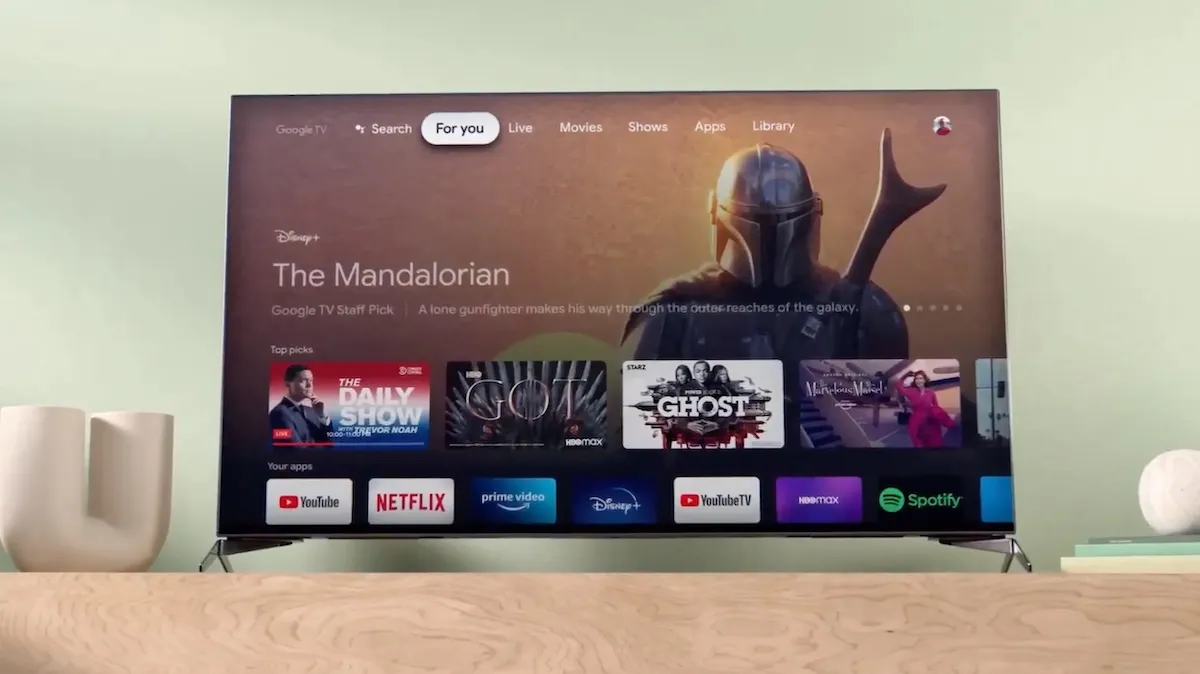
The latest wave of technological innovation is witnessing artificial intelligence being leveraged not for creating new complexities, but for simplifying and streamlining existing consumer electronics. Specifically, AI is now being deployed to "dumb down" smart televisions, effectively stripping away unwanted features, sponsored advertisements, and intrusive tracking mechanisms. A growing community of developers and tech-savvy individuals are sharing solutions for what they term "vibe-coding" TVs, aiming to enhance user experience by accelerating app launchers, redesigning home screens, and disabling data collection. This burgeoning movement represents a significant pushback against the pervasive monetization strategies embedded within modern smart TV ecosystems.
The Rise of "Vibe-Coding" and Consumer Empowerment
The concept of "vibe-coding" a television encapsulates the process of customizing its software to align with the user’s preferred "vibe" or aesthetic, free from corporate influence. This trend has rapidly gained traction, propelled by viral social media posts and accessible open-source tools. One prominent example emerged from Gathin T., the creator of "cleanyourtv," who recounted his motivation stemming from frustration with the incessant advertisements on his parents’ television. On October 17, 2026, Gathin shared his success on X (formerly Twitter), detailing how he used an AI agent, Claude Code, to identify his parents’ Xiaomi TV on Wi-Fi, remove 25 pre-installed packages (often referred to as bloatware), and install a new, streamlined launcher that mimicked the clean aesthetic of an Apple TV interface. This single post quickly garnered significant attention, inspiring thousands of users across various TV brands—including Xiaomi, TCL, Sony, Fire TV, LG, and even projectors—to attempt similar modifications.
Gathin elaborated on the process via a linked website for donations, explaining that the AI agent facilitated the cleanup over Wi-Fi and helped build a simple home screen featuring only essential apps. Crucially, these solutions generally do not require gaining root access to the TV’s operating system, nor do they prevent users from reverting to factory default settings, offering a degree of reassurance for those wary of permanent alterations.
Another notable solution, dumbtv, articulated its mission on its GitHub page: "Your TV should do what you paid for: your apps, your HDMI inputs, and nothing else. No ads from the TV itself, no watch tracking, no update you did not ask for." This project has undergone end-to-end testing on Fire TV Edition sets and various Android/Google TV platforms from manufacturers such as Sony, TCL, Philips, Hisense, Xiaomi, and Nvidia Shield. Its developers similarly suggest leveraging an AI agent, pointing it directly at the dumbtv GitHub repository to guide users through the modification process.
The accessibility of these AI-assisted hacks marks a significant departure from traditional device modification, which often required advanced technical knowledge and command-line proficiency. Now, individuals without coding expertise are leveraging conversational AI agents to guide them through complex software alterations. Ryan Doyle, in a widely circulated X post, demonstrated this by simply asking Claude Code, "can you hack this?" after providing his TV’s listing. The AI agent then walked him step-by-step through removing ads and bloatware, accelerating the user interface, and customizing his screensaver. Doyle’s accompanying video showcased a remarkably faster and more responsive interface post-modification, highlighting the tangible benefits. Similarly, Mihir Gupta, inspired by the "vibe-coding" posts, successfully disabled 25 bloatware applications and replaced his TV’s stock 192 MB launcher with a custom 83 MB version, complete with rotating wallpapers, all with the assistance of Claude Code.
Understanding the Motivation: The Smart TV Conundrum
The rapid adoption of these AI-powered "dumb TV" hacks is rooted in a growing dissatisfaction among consumers with the evolving business model of smart televisions. While initially lauded for integrating internet connectivity and streaming services, modern smart TVs have increasingly become platforms for aggressive advertising and data collection. The shift from a simple display device to a data-harvesting conduit has alienated many users who purchased expensive hardware only to find their viewing experience compromised by intrusive elements.
The Pervasive Nature of Smart TV Ads and Bloatware:
Smart TV manufacturers and operating system providers (like Google TV, Fire TV, and others) have embraced a dual revenue stream model: selling hardware and then monetizing user engagement through advertising and data. This often translates to:
- Sponsored Content: Ads appearing directly on the home screen, often disguised as content recommendations or prominently featured alongside legitimate apps.
- Slowed Performance: Pre-installed, often unwanted applications (bloatware) consuming system resources, leading to sluggish navigation and app loading times.
- Forced Updates: Automatic software updates that may introduce new advertising features or re-enable previously disabled tracking, often without explicit user consent.
Automatic Content Recognition (ACR) and Privacy Concerns:
A key technology fueling the smart TV advertising industry is Automatic Content Recognition (ACR). Modern smart TVs ship with ACR capabilities, which continuously monitor what’s playing on the screen. This technology identifies content using various methods, including screenshots, audio clips, and other forms of digital fingerprinting. The collected data—which can include details about specific shows, movies, commercials watched, and even the duration of viewing—is then anonymized, aggregated, and sold to advertisers or used by the TV manufacturer to display highly personalized ads on their own interfaces.
While proponents argue ACR helps improve content recommendations and provides valuable market insights, privacy advocates and many consumers view it as an egregious invasion of privacy. A 2023 report by Statista indicated that the global smart TV market revenue from advertising was projected to reach over $15 billion, underscoring the significant financial incentive for manufacturers to implement and expand ACR capabilities. However, a separate consumer survey revealed that over 70% of smart TV owners expressed concerns about their viewing habits being tracked without their explicit, clear consent. This dichotomy between industry profit and user privacy forms the core of the current consumer backlash.
The Technology Behind the Movement: AI and Open-Source Tools
The ability to "vibe-code" a smart TV has been dramatically democratized by the confluence of advanced AI agents and robust open-source development. Historically, modifying consumer electronics like rooting smartphones or flashing custom ROMs required a steep learning curve, involving complex command-line interfaces, specific drivers, and a deep understanding of device architecture. The introduction of powerful, conversational AI agents like Claude Code has significantly lowered this barrier to entry.
These AI agents can:
- Interpret Natural Language Prompts: Users can simply describe their desired outcome (e.g., "remove ads from my Xiaomi TV") without needing to know specific technical commands.
- Access and Synthesize Information: By pointing the AI to a device’s listing or an open-source repository (like
dumbtvorcleanyourtvon GitHub), the AI can quickly retrieve relevant technical specifications, existing code, and modification instructions. - Generate and Execute Code/Commands: The AI can then translate the user’s intent into executable commands or scripts, often guiding the user through the process step-by-step, explaining each action, and even performing some tasks remotely over a network connection (like Wi-Fi).
- Troubleshoot and Adapt: In some cases, the AI can help diagnose issues or suggest alternative approaches if initial attempts encounter problems, making the process more resilient for non-expert users.
The open-source nature of projects like dumbtv and cleanyourtv is equally critical. These repositories provide community-vetted solutions, scripts, and launchers that users can deploy with AI assistance. They often leverage Android Debug Bridge (ADB) commands, a versatile toolkit for communicating with Android-powered devices (which includes most smart TVs), to uninstall applications, change system settings, and install new launchers without requiring full root access, thus minimizing the risk of permanently damaging the device.
The Risks and Rewards of AI-Assisted Modification
While the promise of a bloat-free, private smart TV experience is highly appealing, these AI-assisted modifications are not without their risks. The movement is still in its early stages, and solutions are "works in progress," undergoing continuous testing and refinement by a diverse user base.
Potential Risks:
- Bricking Devices: Several users have reported significant issues. One individual on X claimed to have "bricked their Android TV using Claude," rendering it inoperable. Another got "stuck halfway through" hacking their Fire TV, indicating that the process can be complex and prone to failure, even with AI guidance.
- Disabling Essential Functions: AI agents, while powerful, can make mistakes. They might inadvertently disable crucial system packages or services required for core TV functionalities, leading to unexpected errors or partial loss of features.
- Warranty Voidance: Modifying a TV’s software, particularly in ways not officially supported by the manufacturer, typically voids the device’s warranty. This means users would be solely responsible for repair or replacement costs if something goes wrong.
- Security Vulnerabilities: Introducing custom software or modifying system settings could inadvertently open up new security vulnerabilities, potentially exposing the device to malware or unauthorized access.
- Inconsistent Results: The effectiveness of these hacks can vary significantly across different TV models, firmware versions, and manufacturers. What works perfectly on one Sony TV might cause issues on another.
- AI Limitations: Users have also noted that AI agents like Claude sometimes require more complex prompts than a simple "hack my TV," highlighting the need for users to be somewhat articulate in their requests and persistent in their efforts.
Potential Rewards:
- Enhanced Performance: Removing bloatware and replacing inefficient stock launchers can dramatically improve the TV’s responsiveness, reducing lag and speeding up app loading times.
- Improved User Experience: A clean, customized home screen free of ads and unwanted recommendations offers a more pleasant and focused viewing environment.
- Increased Privacy: Disabling ACR and other tracking features empowers users to reclaim control over their viewing data, mitigating concerns about surveillance.
- Cost Savings: By extending the useful life of a TV through improved performance, users might delay the need for an upgrade.
- Empowerment: The ability to customize and control one’s own devices fosters a sense of digital autonomy, challenging the notion of consumer electronics as locked-down ecosystems.
For those apprehensive about using AI to deeply modify their TVs, existing, less intrusive solutions offer a middle ground. Android-based smart TVs, for example, can be customized through home screen replacement apps like ATV Launcher, Projectivity Launcher, and FLauncher. These applications allow users to personalize their interface without altering core system files, offering a safer way to improve the user experience.
Industry Implications: A Potential Disruption
The growing popularity of "dumb TV" hacks carries significant implications for the smart TV industry, particularly the lucrative advertising and data monetization sectors.
Impact on Advertising Revenue:
The smart TV advertising market is a rapidly expanding sector, with projections indicating continued growth. If a substantial number of users adopt these ad-blocking and tracking-disabling modifications, it could directly impact the revenue streams of TV manufacturers and content providers. Advertisers pay premiums for access to granular viewing data and the ability to target specific demographics on smart TV platforms. A widespread adoption of these hacks could dilute the value of such advertising inventory, potentially forcing a re-evaluation of business models.
Manufacturer Response and Future Design:
TV manufacturers like Samsung, LG, Sony, and others are heavily invested in the current smart TV paradigm. Their potential responses could range from:
- Counter-Measures: Implementing software updates designed to prevent or revert these modifications, or to detect modified devices and potentially void warranties more aggressively.
- Legal Challenges: Exploring legal avenues against developers of "dumb TV" tools, citing intellectual property infringement or terms of service violations.
- Design Evolution: Acknowledging consumer frustration and potentially offering more user-friendly customization options, or even "privacy-focused" modes that genuinely reduce tracking and ads, albeit perhaps at a higher initial hardware cost. This would align with broader trends in consumer technology where privacy is becoming a key differentiator.
- Enhanced Security: Strengthening the security of their operating systems to make unauthorized modifications more difficult, inadvertently creating a new arms race between manufacturers and the "vibe-coding" community.
The Future of Data Privacy and Consumer Rights:
This movement also highlights a broader societal debate around data privacy and consumer rights in the digital age. As more devices become "smart" and interconnected, the expectation of data collection often outpaces user consent and understanding. The "dumb TV" trend could serve as a powerful consumer statement, pushing for stronger regulatory frameworks around data collection, clearer disclosure from manufacturers, and greater default privacy settings. It underscores the idea that users should have ultimate control over the devices they own, rather than being passive recipients of corporate monetization strategies.
Looking Ahead: The Future of Smart TVs and AI
The phenomenon of AI-assisted smart TV modification is more than a fleeting trend; it represents a significant shift in consumer-technology interaction. It showcases the transformative power of accessible AI in empowering individuals to tailor their digital environments to their preferences, moving beyond the confines imposed by manufacturers.
As AI agents become even more sophisticated and ubiquitous, their role in personalizing and optimizing consumer electronics is likely to expand further. We may see AI integrated directly into device settings, offering intuitive ways for users to manage privacy, performance, and customization without resorting to third-party hacks. Conversely, manufacturers might also integrate AI into their systems to better understand user preferences and offer more palatable, less intrusive forms of monetization.
The "vibe-coding" movement, driven by user frustration and enabled by accessible AI, serves as a potent reminder to the tech industry that control, transparency, and user experience remain paramount. It suggests a future where the line between device owner and device modifier becomes increasingly blurred, leading to a more personalized and potentially more private digital landscape. The ongoing interplay between consumer demand for control, the evolving capabilities of AI, and the business models of technology companies will undoubtedly shape the next generation of smart home devices, starting with the very screens we watch every day.
