

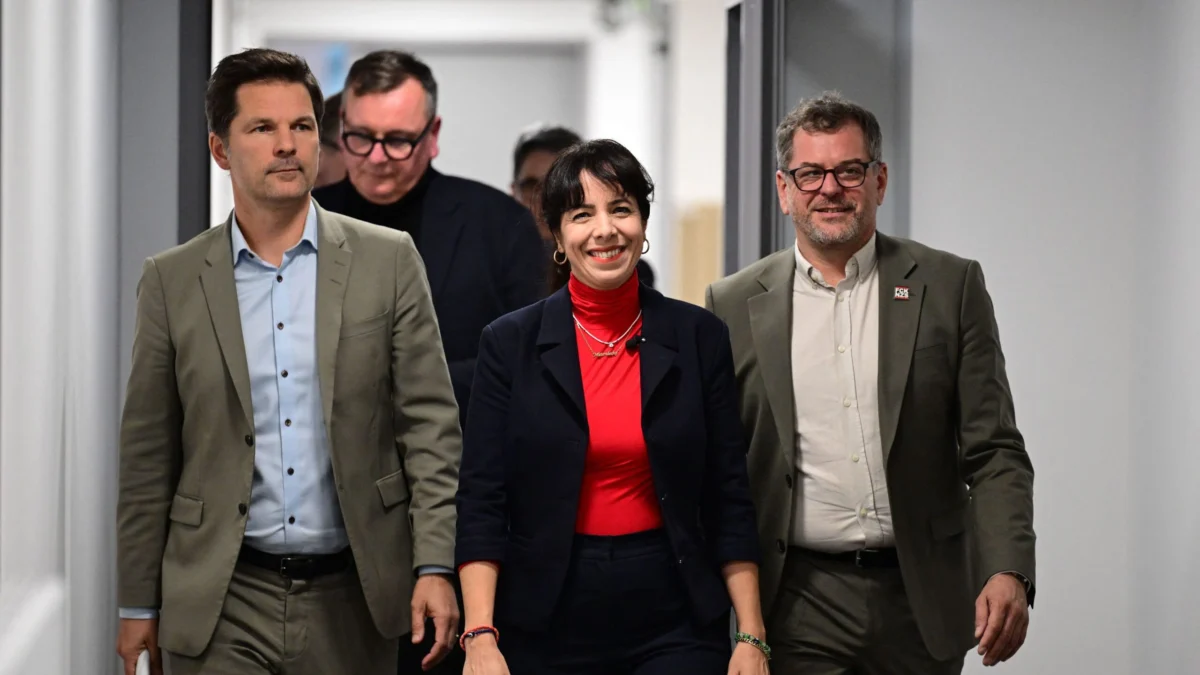
The Berliner SPD is signaling its readiness to enter coalition negotiations with Die Linke and the Greens, a decision made by the party’s state executive committee. This move comes as the political landscape in Berlin is navigating the aftermath of recent elections, with Die Linke emerging as the clear winner. The Greens are also slated to hold a party congress to decide on their approach to potential coalition talks. This development signifies a significant step towards forming a new governing coalition in the German capital, one that could shape Berlin’s political direction for the coming years.
Political Landscape in Berlin: A Triptych of Parties
The decision by the Berliner SPD to pursue coalition talks with Die Linke and the Greens marks a critical juncture for the city’s political future. Following the electoral results, these three parties hold the potential to form a governing majority. Die Linke’s strong performance positions them as a key player, while the Greens are also a significant force in the city’s progressive political spectrum. The SPD, though not the outright winner, remains a central pillar in the formation of any new government. The prospect of a red-red-green coalition (SPD, Linke, Greens) is being closely watched, both within Berlin and at the national level, given the implications for policy and governance in Germany’s largest city.

Key Issues and Sticking Points in Potential Negotiations
While the SPD’s decision opens the door for dialogue, significant policy differences and political sensitivities will need to be addressed during any coalition negotiations. The lead text of the article hints at contentious issues, including criticism of the SPD’s communication regarding the resignation of a minister and concerns about the socialization of housing. These points suggest that the path to a stable coalition will be fraught with challenges.
Housing Policy: A Central Debate
The issue of housing in Berlin has been a persistent and often divisive topic. The mention of Franziska Giffey’s warning against the socialization of apartments highlights a core disagreement. Giffey, the current Minister for Economic Affairs, has expressed strong reservations about the plan to socialize approximately 160,000 apartments owned by large corporations. She argues that such measures are not the right way to foster economic growth and affordable housing. Her concerns extend to the financial implications, citing an estimated compensation sum of €16 billion, which she deems unrealistic. Giffey anticipates lengthy legal battles and a potential halt to new housing construction by affected companies, exacerbating the existing housing shortage in a city facing population growth. The contrast between this pragmatic approach and the more radical proposals from Die Linke and potentially the Greens will be a significant hurdle.

Political Discourse and Party Integrity
Beyond policy specifics, the tone and substance of political discourse are also at play. Thorsten Frei’s criticism of the SPD’s language in the context of a minister’s resignation underscores the importance of respectful and fact-based political debate. The article mentions that SPD leaders have accused the Union of acting "inhumanely" and "indecently" in their handling of the situation, suggesting a high level of political tension and personal animosity. The integrity and past actions of Die Linke, particularly concerning antisemitism and connections to criminal elements, have also been raised as concerns by figures like Culture Minister Wolfram Weimer. He warns that a government led by the "direct successors of the SED" would betray the consensus on historical remembrance and undermine the process of coming to terms with GDR-era injustices. These criticisms, particularly from within the political establishment, will likely be leveraged by parties opposing a red-red-green coalition.
The Rentenreform Debate: Divergent Timelines
The article also touches upon disagreements within the federal coalition regarding pension reform. While both CDU/CSU and SPD factions agree on the necessity of pension reform, their timelines and specific approaches diverge. Thorsten Frei (CDU/CSU) is pushing for a legislative draft from the Ministry of Labor to address details, including the controversial contribution-free pension after 45 years of contributions. He emphasizes the need for speed. In contrast, SPD parliamentary leader Matthias Miersch is advocating for more time for the new Labor Minister to develop the necessary legislative proposals, indicating a difference in urgency and perhaps a cautious approach from the SPD. This federal-level debate mirrors the broader political dynamics at play, where different parties prioritize issues and timelines differently.
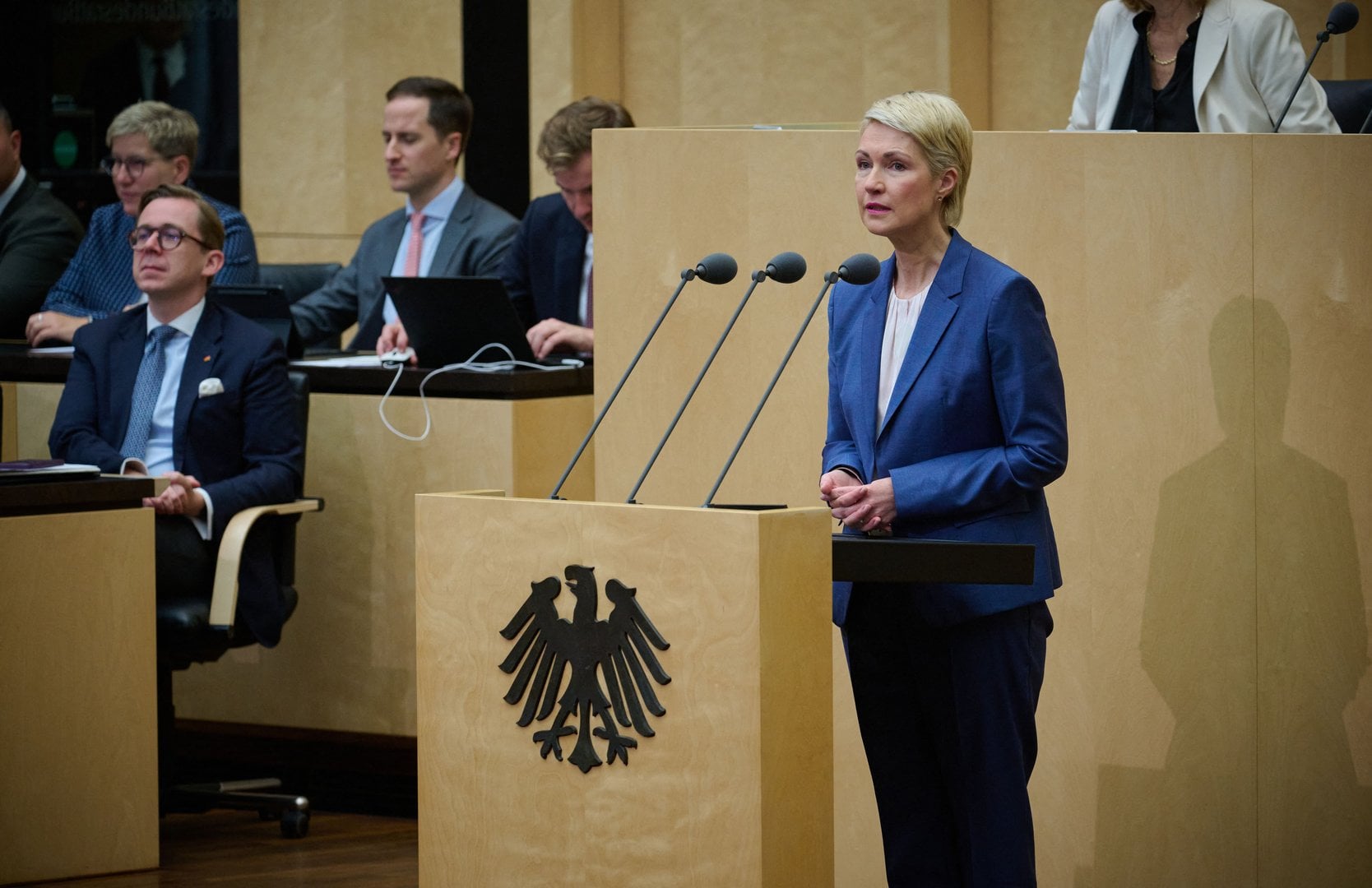
A Timeline of Political Developments
The formation of a new government in Berlin is a process that unfolds over time, with key decisions and statements marking significant milestones.
- Post-Election Period: Following the elections, initial consultations and exploratory talks commence among the parties that could potentially form a majority.
- SPD State Executive Committee Decision: The Berliner SPD’s state executive committee formally decides to pursue coalition negotiations with Die Linke and the Greens. This is a crucial step, signaling the party’s official intent.
- Green Party Congress: The Greens convene a party congress to deliberate and vote on whether to engage in coalition talks. This internal decision-making process is vital for the Green party’s political strategy.
- Exploratory Talks and Negotiations: If both Die Linke and the Greens agree to proceed, formal coalition negotiations would begin. This phase involves in-depth discussions on policy platforms, ministerial appointments, and the overall structure of the government.
- Coalition Agreement and Government Formation: Upon reaching an agreement, a coalition treaty is drafted and ratified by the respective parties. This culminates in the formation of the new government, typically with the election of the Governing Mayor.
Voices of Concern and Opposition
The prospect of a red-red-green coalition has already generated significant opposition and criticism from various political actors.
CDU/CSU Stance
The Union parties, particularly the CDU/CSU, have been vocal in their opposition to a coalition involving Die Linke. Thorsten Frei’s criticisms of the SPD’s rhetoric and his broader concerns about Die Linke’s political stance highlight the Union’s firm position. They often point to Die Linke’s historical roots and alleged connections to extremist elements as disqualifying factors for governing.
Concerns from Within the SPD
Interestingly, there are also dissenting voices within the SPD itself. Reports indicate that 20 SPD Bundestag members have expressed opposition to a coalition with Die Linke in Berlin. Their statement, titled "Our value compass is never negotiable," cites concerns about recurring antisemitism within the Berlin chapter of Die Linke, alleged ties to criminal clans, and involvement with extremist milieus. These internal divisions within the SPD could complicate negotiation efforts and signal potential future friction within a coalition.

Critical Remarks from Other Political Figures
Beyond the major parties, other political figures have also voiced strong reservations. Culture Minister Wolfram Weimer has issued a stark warning against a government with Die Linke, emphasizing the risks to historical remembrance and the fight against antisemitism. These criticisms from across the political spectrum underscore the contentious nature of the potential coalition.
Broader Implications and Analysis
The formation of a red-red-green coalition in Berlin carries significant implications, both for the city and for the broader German political landscape.

Policy Direction for Berlin
If successful, a red-red-green government would likely pursue a progressive agenda focused on social justice, affordable housing, and climate action. However, the internal policy disagreements, particularly on housing and the role of Die Linke, suggest that compromises will be necessary, potentially leading to a more moderate approach than some factions might desire. The city’s economic development, public services, and urban planning will be shaped by the outcomes of these negotiations.
National Political Resonance
The political dynamics in Berlin often have a ripple effect on national politics. A successful, albeit potentially challenging, red-red-green coalition could embolden similar alliances in other regions or at the federal level. Conversely, significant internal conflicts or policy failures could serve as cautionary tales. The debates around Die Linke’s political positioning and the handling of issues like antisemitism are of national concern.

The Role of the Union
The Union parties, as the primary opposition, will play a crucial role in holding the new Berlin government accountable. Their persistent criticisms of Die Linke will likely continue, shaping the public discourse and potentially influencing future electoral strategies. The ability of the Union to present a unified and compelling alternative will be key to their political relevance.
The Future of Die Linke
For Die Linke, a potential role in governing Berlin represents a significant opportunity but also a considerable challenge. Navigating the complexities of coalition politics while addressing internal divisions and external criticisms, particularly regarding antisemitism, will be critical for the party’s long-term viability and public perception. The success or failure of this coalition could have a profound impact on the party’s trajectory.

Conclusion
The decision by the Berliner SPD to pursue coalition talks with Die Linke and the Greens marks the beginning of a crucial phase in the city’s political development. While the parties share some common ground on progressive ideals, significant policy differences and political sensitivities surrounding Die Linke’s past and present stances will undoubtedly make for challenging negotiations. The coming weeks and months will reveal whether these parties can forge a cohesive and effective government that can address the pressing issues facing Berlin, from housing and social policy to the broader challenges of political discourse and societal cohesion. The outcome will not only shape the future of the German capital but also resonate within the wider national political arena.
