

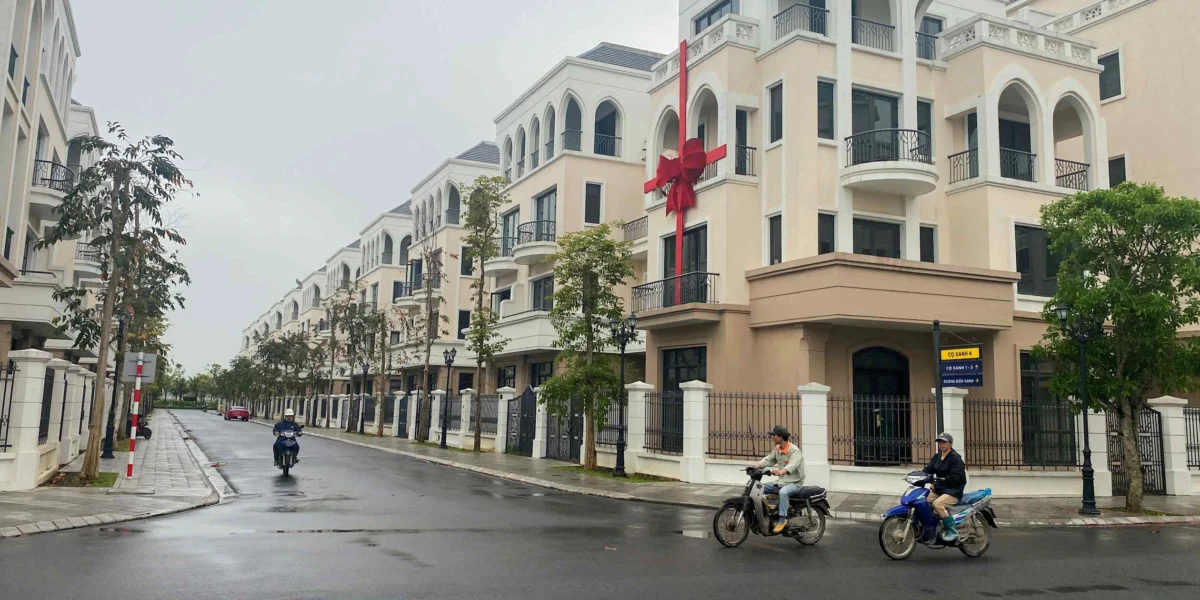
HO CHI MINH CITY – Vietnam’s Communist Party is reportedly proposing a significant shift in its land policy, aiming to restrict foreigners from acquiring outright ownership of landed properties such as villas and townhouses, while maintaining their ability to purchase apartments. This potential amendment to the country’s housing laws, if enacted, would represent a notable recalibration of foreign investment in Vietnam’s burgeoning real estate market, a sector that has seen substantial foreign interest in recent years.
The proposed change, which has not yet been officially detailed in a public policy document, is understood to be part of a broader effort by the Vietnamese government to manage land use, protect domestic housing access, and potentially control the flow of foreign capital into specific real estate segments. While details remain scarce, the core of the proposal appears to differentiate between types of residential property, drawing a line between individual land plots with detached or semi-detached houses and the more common condominium-style apartment buildings.
Background: A Rapidly Developing Market and Evolving Regulations
Vietnam’s real estate market has experienced a meteoric rise in recent decades, fueled by rapid economic growth, urbanization, and a growing middle class. The country’s attractive investment climate, coupled with relatively affordable property prices compared to many regional peers, has drawn significant interest from both domestic and international buyers. Foreign direct investment in real estate has been a crucial component of this growth, contributing to the development of modern housing infrastructure and urban renewal projects.
However, the regulatory framework governing foreign ownership of property in Vietnam has evolved over time. Initially highly restrictive, laws were gradually liberalized to encourage foreign investment. The 2014 Housing Law, for instance, significantly expanded the rights of foreigners to own property, allowing them to purchase apartments and even landed houses under certain conditions. This liberalization was intended to boost the real estate sector and integrate Vietnam more closely with the global economy. Foreigners are generally permitted to own apartments for a leasehold period, typically 50 years, which can be extended. For landed properties, the regulations have historically been more nuanced, often involving leasehold arrangements or limitations on the number of units foreign buyers could acquire in a particular development.
The current proposal suggests a move back towards a more controlled approach, specifically targeting landed properties. This could be influenced by several factors, including concerns about the potential for foreign ownership to drive up land prices beyond the reach of local buyers, particularly in prime urban areas. There may also be strategic considerations related to national security and the long-term management of land resources.
The Proposed Distinction: Apartments vs. Landed Homes
Under the proposed policy, foreigners would likely continue to be able to purchase apartments in condominium projects. This segment of the market is already well-established for foreign buyers and plays a vital role in the development of urban housing supply. It allows for a concentration of housing units, efficient land use, and the development of integrated communities with amenities.
The significant change would be the potential prohibition on foreigners acquiring outright ownership or long-term leaseholds of landed properties, such as individual houses, villas, or townhouses built on their own plots of land. This type of property ownership often involves direct control over a piece of land, which could be a point of concern for policymakers seeking to regulate land use and prevent concentrated foreign landholdings.
Potential Motivations and Implications
Several factors could be driving this proposed policy shift:
- Managing Land Scarcity and Affordability: As Vietnam’s cities become more densely populated, land is an increasingly scarce and valuable resource. Restricting foreign ownership of landed properties could be an attempt to prioritize domestic access to these desirable assets and mitigate their impact on local housing affordability. Data from various real estate analytics firms have indicated rising property prices in major Vietnamese cities like Ho Chi Minh City and Hanoi, with a significant portion of demand coming from both domestic investors and foreign buyers. For instance, reports from early 2024 suggested year-on-year price increases of 10-20% in prime urban areas, a trend that could be exacerbated by unfettered foreign acquisition of landed assets.
- Strategic Land Use and National Security: Direct foreign ownership of land, particularly in sensitive or strategically important locations, could be viewed as a potential risk. A more controlled approach through apartment ownership, which typically involves rights to a unit within a larger, regulated development, might be perceived as more manageable from a national security perspective.
- Balancing Investment and Domestic Needs: The Vietnamese government has consistently sought to balance the benefits of foreign investment with the need to ensure equitable access to housing and resources for its own citizens. This proposal could be seen as a way to continue attracting foreign capital for urban development while safeguarding the interests of the domestic population.
- Market Segmentation and Control: By differentiating between apartments and landed homes, policymakers can exert more granular control over foreign participation in the real estate market. This allows for targeted liberalization or restriction based on specific market segments and their perceived impact.
Reactions and Analysis
While official statements are yet to be released, the implications of such a policy change are likely to be significant for various stakeholders:
- Foreign Investors: Those looking to invest in individual villas or landed houses for personal use or as investment properties would face new limitations. This could lead to a redirection of foreign capital towards the apartment market or other investment avenues within Vietnam. Developers focusing on landed property projects might need to adapt their business models.
- Domestic Buyers: The policy could potentially ease pressure on the landed property market for local buyers, making these types of homes more accessible. However, the overall impact on prices would also depend on domestic demand and the supply of landed properties.
- Real Estate Developers: Developers catering to foreign buyers of landed properties might see a decline in demand for their specific product lines. Conversely, developers of apartment projects could experience increased interest. The construction sector, which has seen substantial growth linked to foreign investment, might need to adjust its focus.
- Economic Impact: While the proposal aims to manage risks, it could also potentially moderate the inflow of foreign capital into certain segments of the real estate market. However, continued access to apartment ownership would likely ensure that foreign investment in housing remains a significant contributor to the economy. Vietnam’s GDP growth has been robust, with the real estate sector playing an increasingly important role. For example, in 2023, the real estate sector contributed approximately 4.5% to the country’s GDP, and foreign investment in this sector was a notable driver.
Timeline and Future Outlook
The proposed policy is currently under internal discussion within the Communist Party and relevant government ministries. The process of amending or introducing new housing laws in Vietnam typically involves extensive consultation, review, and parliamentary approval. It is unlikely that this proposal will be enacted immediately. A public consultation period is expected, during which industry bodies, legal experts, and foreign business associations will have opportunities to provide feedback.
Historically, significant policy changes in Vietnam have often been preceded by pilot programs or gradual adjustments. The introduction of the 2014 Housing Law itself was the culmination of years of debate and refinement. Therefore, while this proposal signals a potential direction, the final form and implementation timeline remain uncertain.
Should the proposal be adopted in its current form, it would necessitate amendments to existing laws, most notably the Law on Housing and potentially the Law on Land. This would likely involve defining more clearly what constitutes "landed property" and specifying the duration and conditions of leaseholds for foreigners.
Broader Context: Vietnam’s Economic Trajectory
This proposed policy shift occurs against the backdrop of Vietnam’s ambitious economic development goals. The country aims to become a developed, high-income nation by 2045. To achieve this, Vietnam continues to rely on foreign investment, technological advancement, and strategic infrastructure development. Real estate development is a crucial pillar of this growth, supporting job creation and urbanization.
The government’s approach to foreign investment in real estate reflects a maturing understanding of the sector’s complexities and its potential impact on broader socio-economic objectives. While Vietnam remains committed to attracting foreign capital, it is also increasingly focused on ensuring that such investment aligns with national development priorities and contributes to sustainable growth without creating undue social or economic imbalances. The distinction between apartment and landed property ownership could be seen as a nuanced strategy to achieve this delicate balance.
As Vietnam continues to integrate into the global economy, its regulatory framework will undoubtedly continue to evolve. The proposed changes to foreign property ownership rules, if implemented, would be a significant development, shaping the future landscape of real estate investment in one of Asia’s most dynamic economies. The coming months will be crucial in observing how this proposal progresses through the legislative process and what its ultimate impact will be on the Vietnamese property market and foreign investment landscape.
