

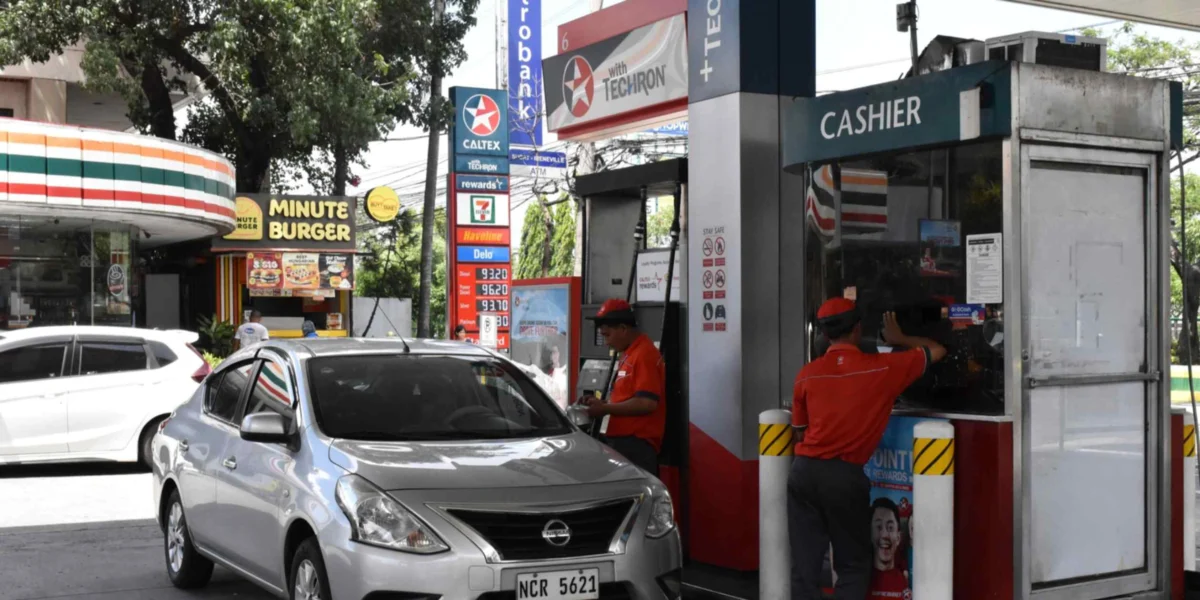
MANILA — Japanese engineering giant Chiyoda Corporation is spearheading efforts to establish critical oil reserves in the Philippines, a significant initiative marking a broader wave of Japanese corporate engagement aimed at bolstering energy security across Southeast Asia. This concerted push by Japanese firms comes as the region grapples with persistent energy supply disruptions and price volatility exacerbated by the ongoing conflict in Iran and its ripple effects on global oil markets.

The urgency of these measures is underscored by the Philippines’ own precarious energy situation. Earlier this year, the nation was compelled to declare a national energy emergency, a stark indicator of its vulnerability to supply shocks, primarily due to critically low oil reserves. This declaration highlighted the systemic challenges faced by many developing economies in Southeast Asia, which are heavily reliant on imported fossil fuels and often possess limited strategic reserves to cushion against geopolitical turmoil and supply chain disruptions. The Iran war, by impacting major oil-producing regions and creating uncertainty in shipping lanes, has amplified these pre-existing vulnerabilities, pushing regional energy security to the forefront of national and international policy agendas.
The Geopolitical Underpinnings of Energy Vulnerability
The current energy crisis in Southeast Asia is not an isolated event but a consequence of complex geopolitical dynamics and structural economic factors. The protracted conflict involving Iran, a significant player in the global oil market, has led to a cascade of effects. These include potential reductions in Iranian oil exports, increased insurance and shipping costs for vessels navigating the Persian Gulf, and a general sentiment of market apprehension that drives up crude oil prices. Even for nations not directly involved in the conflict, the interconnectedness of global energy markets means that disruptions in one region can have profound and far-reaching consequences.

Southeast Asian economies, in particular, have found themselves increasingly exposed. Their rapid economic growth over the past decades has been accompanied by a commensurate surge in energy demand, often met through imports. Many countries in the region lack the substantial strategic petroleum reserves that more developed nations maintain, leaving them susceptible to price spikes and supply shortages. The Philippines, with its archipelagic geography and a substantial portion of its energy needs met by imported oil, is particularly exposed to these external shocks. The declaration of an energy emergency earlier this year served as a potent reminder of this dependence and the urgent need for proactive measures to enhance resilience.
Chiyoda’s Strategic Intervention in the Philippines
Chiyoda Corporation’s planned investment in building oil reserves in the Philippines represents a tangible step towards mitigating this vulnerability. While specific details regarding the scale and timeline of the project are still emerging, the move signifies a strategic commitment to enhancing the nation’s buffer against supply disruptions. The establishment of such reserves is a complex undertaking, involving significant capital investment, sophisticated logistics, and robust security measures. It requires not only the physical infrastructure for storage but also a comprehensive management framework to ensure the reserves are maintained at optimal levels and are readily accessible in times of crisis.

This initiative by Chiyoda is not merely a commercial venture; it is a direct response to the growing recognition of energy security as a critical component of national stability and economic well-being. By investing in reserve capacity, Japan, through its leading corporations, is extending a crucial lifeline to its Southeast Asian partners. This collaborative approach underscores the interconnectedness of regional prosperity and the shared responsibility in navigating global energy challenges.
A Wave of Japanese Support for Regional Energy Security
Chiyoda’s involvement in the Philippines is indicative of a broader trend: a coordinated effort by Japanese companies to address the energy security concerns of Southeast Asian nations. This wave of support is multifaceted, encompassing not only the development of physical storage infrastructure but also investments in renewable energy, energy efficiency technologies, and the modernization of existing energy grids.

Several Japanese conglomerates are actively exploring opportunities across the region. For instance, Mitsubishi Corporation has been involved in natural gas projects and has expressed interest in expanding its footprint in renewable energy development in countries like Vietnam and Indonesia. Sumitomo Corporation is also reportedly in discussions regarding potential investments in liquefied natural gas (LNG) infrastructure and the promotion of cleaner energy solutions in Thailand and Malaysia. These companies are leveraging their extensive expertise in project development, financing, and technological innovation to contribute to the region’s energy transition and security.
The rationale behind this concerted Japanese engagement is multifaceted. Firstly, Japan itself is highly dependent on energy imports and understands the critical importance of stable energy supplies. By helping to secure energy for its neighbors, Japan indirectly enhances its own energy security and promotes regional stability. Secondly, Southeast Asia represents a significant and growing market for Japanese technology and services. Investments in energy infrastructure create opportunities for Japanese companies to export their expertise and products, fostering economic ties and mutual benefit. Thirdly, the geopolitical implications are significant. A more energy-secure Southeast Asia is a more stable Southeast Asia, which is of strategic importance to Japan’s broader foreign policy objectives.

Supporting Data and Context: The Scale of the Challenge
The energy landscape in Southeast Asia is characterized by rapid demand growth and a significant reliance on imports. According to the International Energy Agency (IEA), energy consumption in the region is projected to grow by over 60% between 2020 and 2040, driven by population growth, urbanization, and economic expansion. While the region possesses substantial renewable energy potential, the immediate energy needs are largely met by fossil fuels, particularly coal, oil, and natural gas.
The Philippines, as an example, imports a substantial portion of its crude oil and refined petroleum products. In 2023, the country’s total energy consumption was estimated to be around 50 million tonnes of oil equivalent (toe), with imported fossil fuels accounting for a significant majority. The country’s strategic petroleum reserve capacity is considered insufficient to cover prolonged supply disruptions, making it vulnerable to price volatility and shortages. The average daily oil consumption in the Philippines stands at approximately 250,000 barrels, highlighting the scale of the challenge in maintaining adequate reserves.

The impact of the Iran war on global oil prices has been a consistent concern. Even minor disruptions in supply from the Persian Gulf region can lead to price spikes of several dollars per barrel. For import-dependent nations like those in Southeast Asia, these price increases translate directly into higher energy costs for consumers and businesses, potentially fueling inflation and dampening economic growth. The Asian Development Bank (ADB) has consistently warned about the risks of energy price volatility to regional economic stability.
Official Responses and Broader Implications
The proactive stance taken by Japanese companies is being met with cautious optimism by Southeast Asian governments. Officials in Manila have expressed their appreciation for Chiyoda’s planned investment, recognizing it as a crucial step in enhancing the nation’s energy resilience. Similar sentiments are likely being echoed in other capitals across the region as Japanese firms expand their engagement.

The implications of this increased Japanese involvement extend beyond immediate energy security. It has the potential to accelerate the adoption of cleaner energy technologies, as Japanese companies often bring with them advanced solutions in areas like solar, wind, and LNG. This could contribute to Southeast Asia’s efforts to decarbonize its energy sector and meet its climate commitments. Furthermore, these investments can foster stronger economic partnerships between Japan and its Southeast Asian neighbors, creating jobs, transferring technology, and promoting sustainable development.
However, challenges remain. The long-term sustainability of these initiatives will depend on various factors, including regulatory frameworks, local capacity building, and the evolving geopolitical landscape. The successful implementation of large-scale infrastructure projects requires a stable investment environment and effective cooperation between governments and the private sector.

A Chronology of Growing Concern and Action
The current wave of Japanese corporate engagement can be seen as an escalation of efforts that have been developing over the past few years.
- Early 2020s: Growing awareness of Southeast Asia’s energy import dependence and vulnerabilities to global supply shocks. Initial discussions and feasibility studies by Japanese companies regarding infrastructure investments in the region.
- 2023: The Philippines experiences critically low oil reserves, leading to the declaration of a national energy emergency. This event serves as a stark wake-up call and intensifies the urgency for proactive measures.
- Late 2023 – Early 2024: Intensified geopolitical tensions in the Middle East, including the escalation of the Iran war, begin to exert significant pressure on global oil markets, leading to price volatility and supply concerns. This period sees increased diplomatic engagement between Japan and Southeast Asian nations regarding energy security.
- Mid-2024: Japanese engineering firm Chiyoda Corporation begins concrete planning and discussions for the construction of oil reserves in the Philippines, marking a significant concrete step in addressing the country’s vulnerability.
- Late 2024 – Present: A broader wave of Japanese companies, including major trading houses and engineering firms, actively explore and announce investments and partnerships across Southeast Asia, focusing on energy infrastructure, renewable energy projects, and energy efficiency solutions. This period is characterized by a more coordinated and strategic approach to regional energy security by the Japanese private sector.
This timeline highlights a progressive response to escalating global energy challenges, with the current initiatives representing a mature and strategic phase of engagement.

Conclusion: A Path Towards Enhanced Regional Stability
The commitment of Japanese companies like Chiyoda to strengthening Southeast Asia’s energy security is a critical development in the region’s ongoing efforts to navigate a volatile global energy landscape. By investing in strategic infrastructure and promoting cleaner energy solutions, Japan is not only supporting its neighbors but also contributing to broader regional stability and economic resilience. The success of these initiatives will be a testament to the power of strategic partnerships in addressing complex global challenges, fostering a more secure and prosperous future for Southeast Asia and beyond. The coming years will be crucial in observing the full realization of these ambitious plans and their impact on the region’s energy future.
