

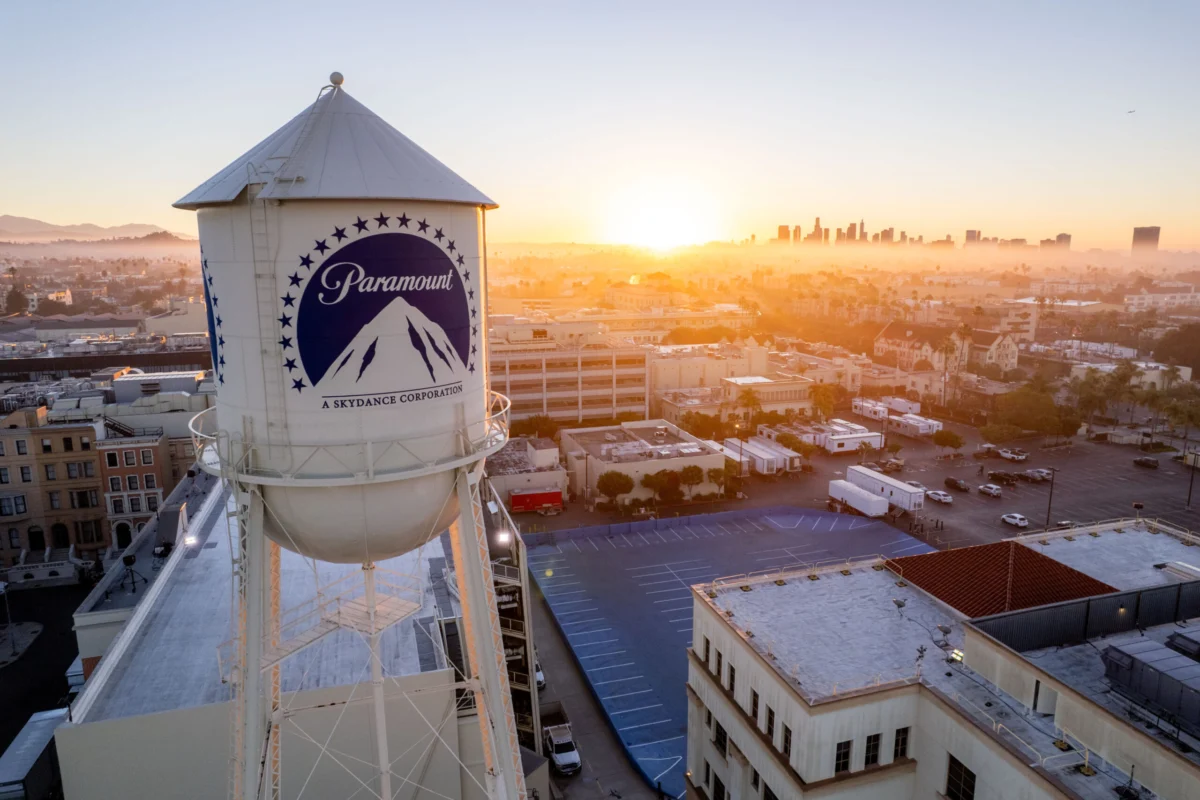
Los Angeles, California – A monumental shift in the global entertainment industry has culminated today as Skydance, the David Ellison-led media company, officially closed its acquisition of Warner Bros. Discovery (WBD). This landmark deal, valued at an estimated $110 billion on an enterprise basis, concludes a complex, year-long saga marked by repeated rejections, a fierce bidding war, extensive regulatory scrutiny, and a last-minute antitrust challenge. The newly formed entity, now trading under the ticker symbol "SKYD" as Skydance, represents one of the largest media conglomerates in history, bringing together two of Hollywood’s most storied film studios and commanding a formidable presence across film, television, streaming, and basic cable programming.
The merger creates an entertainment powerhouse that will control nearly one-third of basic cable programming and boast an unparalleled library of intellectual property. From the iconic film franchises of Warner Bros. Pictures and Paramount Pictures to the extensive television networks under CBS and Warner Bros. Television Group, and the diverse content offerings of HBO, CNN, and the various Discovery channels, the new Skydance is poised to redefine the competitive landscape. This strategic consolidation underscores the accelerating trend of scale-seeking within the media sector, as companies vie for dominance in an increasingly fragmented and competitive global market, particularly in the streaming arena.
The Genesis of a Giant: Background and Motivations
The pursuit of Warner Bros. Discovery by Paramount Skydance was not merely a transaction; it was a strategic imperative born from the evolving dynamics of the entertainment industry. For years, traditional media companies have grappled with the disruptive forces of digital streaming, cord-cutting, and the insatiable demand for original content. Netflix’s meteoric rise, followed by Disney’s aggressive entry into streaming with Disney+, fundamentally altered expectations for scale, content investment, and global reach.
Warner Bros. Discovery itself was a product of a previous mega-merger, formed in 2022 when Discovery Inc. acquired WarnerMedia from AT&T. While this brought together a vast content library and diverse portfolio of networks, it also burdened the new entity with significant debt and the daunting task of integrating disparate corporate cultures and streaming strategies (Max, formerly HBO Max, and Discovery+). Analysts widely noted WBD’s need for further consolidation or a strategic partner to effectively compete with market leaders boasting superior market capitalization and subscriber bases.
Paramount Global, on the other hand, had been navigating its own challenges, including a fluctuating share price and the costs associated with its streaming service, Paramount+. David Ellison, CEO of Skydance Media, a production company known for co-financing and co-producing major studio films like Top Gun: Maverick and Mission: Impossible, saw an opportunity for transformative growth. His vision was to combine Skydance’s agile, content-focused approach with the vast infrastructure and intellectual property of a larger media entity, creating a vertically integrated powerhouse capable of rivaling the biggest players. The potential synergies – from streamlined production and distribution to enhanced bargaining power with advertisers and distributors – presented a compelling case for the ambitious acquisition.
A Tumultuous Timeline: The Path to Consolidation

The journey to this historic closing was far from straightforward, unfolding over more than a year with numerous twists and turns:
-
Early 2025: The Foundation is Laid
- Paramount Skydance first signaled its intent to acquire Warner Bros. Discovery. Initial overtures were reportedly met with skepticism and rejection, reflecting the complexity of the deal and potential resistance from WBD’s existing leadership and shareholders. David Zaslav, then CEO of Warner Bros. Discovery, was navigating his own integration challenges and might have been wary of another massive corporate overhaul. Ellison, however, remained persistent, believing in the long-term value creation potential of combining these assets.
-
Mid-2025: Competition Brews
- As news of Skydance’s interest became public, it ignited a competitive environment. Other industry players, sensing a valuable asset in play, reportedly explored their own potential bids or partnerships. This period saw WBD shares fluctuate significantly, often reacting to market rumors and the perceived likelihood of a sale. The "bidding war" described in initial reports underscored the intense interest in WBD’s extensive content library, including DC Comics, HBO, and Warner Bros. film and TV studios, alongside its global distribution network. The valuation of WBD, despite its debt load, remained attractive due to its irreplaceable IP and market reach. The Netflix co-CEO’s reported comments, referencing Paramount "flooding the zone" and confusing WBD shareholders, suggest a period of intense strategic maneuvering and public relations battles to sway sentiment.
-
Late 2025 – Early 2026: Deals Get Done
- Despite the initial rejections and competitive pressures, Skydance refined its offer, addressing key concerns and sweetening the terms. The details of the eventual agreement, while not fully disclosed in the provided timeline, would have involved a combination of cash, stock, and assumption of WBD’s substantial debt, ultimately reaching the estimated $110 billion enterprise value. This phase also involved extensive due diligence, as both parties meticulously examined the financial, legal, and operational aspects of such a massive integration.
-
June 12, 2026: DOJ Approves Merger
- A crucial hurdle was cleared when the U.S. Department of Justice (DOJ) approved the Paramount-WBD merger. This was a significant victory for Skydance, as the DOJ is responsible for enforcing antitrust laws and preventing mergers that could substantially lessen competition or harm consumers. The approval indicated that, at this stage, the DOJ did not find sufficient evidence that the combined entity would create an illegal monopoly or lead to widespread anti-competitive practices in the broader media market. The focus of such reviews typically centers on market concentration in areas like film distribution, television advertising, and content licensing.
-
July 13, 2026: State Attorneys General Sue Over Antitrust Concerns
- Just a month after the DOJ’s green light, a coalition of state attorneys general, spearheaded by California’s Rob Bonta, launched a lawsuit to block the merger. This move highlighted the dual layers of antitrust enforcement in the U.S., where states can pursue their own legal actions independent of federal decisions. The lawsuit raised concerns about the potential for higher prices for consumers, reduced quality of content, and stifled innovation due to decreased competition among major content producers and distributors. California, as the heart of the entertainment industry, often takes a proactive stance on such matters, citing potential harm to its creative economy and local consumers.
-
July 22, 2026: European Union Antitrust Regulators Approve
- Further demonstrating the global scope of the deal, European Union antitrust regulators also granted their approval for Paramount’s acquisition of WBD. This marked another major international regulatory win. However, the EU approval came with specific concessions designed to mitigate potential anti-competitive effects in European markets. Paramount agreed to divest its stake in United International Pictures (a joint venture with Universal Pictures for international film distribution) in Europe and committed not to enter new film distribution deals with Universal in Europe for a period of 10 years. These stipulations aimed to ensure continued competition in film distribution across the continent.
-
July 24, 2026: Deal Delay and Industry Chill

- Facing the immediate legal challenge from the state attorneys general and a temporary restraining order, Paramount agreed to delay the closing of the deal to as late as June 2027. This significant postponement plunged WBD into a state of limbo, creating uncertainty for its employees, investors, and ongoing projects. The delay also cast a "chilling effect" over the broader media M&A landscape, as other companies considering large-scale mergers likely took note of the intense regulatory scrutiny and extended timelines. Such delays can be costly, not only in legal fees but also in missed market opportunities and potential talent drain.
-
Sept. 21, 2026: Settlement Reached, Merger Moves Forward
- In a critical breakthrough, Paramount and the state attorneys general reached a settlement, paving the way for the merger to proceed. This development came less than two weeks before a "ticking fee" clause would have kicked in, potentially raising the deal price for Skydance. The settlement terms included several significant stipulations designed to address the antitrust concerns raised by the states. These reportedly focused on guaranteeing a minimum number of theatrical film releases per year from the combined company and requiring specific budget allocations for those films. This type of behavioral remedy, rather than structural (like asset divestiture), is common in antitrust settlements, aiming to preserve competition in output and investment.
On the Precipice: Leadership and Vision for the New Skydance
With the final regulatory and legal hurdles cleared, the focus quickly shifted to the operationalization of the new entity:
-
Sept. 30, 2026: Ynon Kreiz Named Co-CEO
- Paramount announced that outgoing Mattel CEO Ynon Kreiz would serve as co-CEO of the combined company alongside David Ellison. Kreiz’s appointment was a strategic move, leveraging his reputation as a "turnaround man" from his tenure at Mattel. At the toy company, Kreiz was credited with revitalizing its brand and spearheading its successful foray into entertainment, most notably with the blockbuster Barbie movie in 2023. His experience in intellectual property monetization and navigating complex brand ecosystems is expected to be invaluable for the expansive Skydance portfolio.
-
Oct. 2, 2026: The Naming of Skydance
- David Ellison formally announced that the combined company would be named Skydance upon closing. This decision, rather than retaining "Paramount" or "Warner Bros. Discovery," signals a deliberate strategy to establish a fresh, forward-looking identity while allowing the heritage brands of Paramount and Warner Bros. to "remain distinct brands." This approach aims to leverage the powerful brand recognition of the individual studios and networks, avoiding the potential dilution or confusion that a blended name might create, while positioning Skydance as the overarching corporate entity driving innovation and strategic direction.
-
Oct. 5, 2026: The Leadership Team Takes Shape
- Ellison and Kreiz unveiled their core leadership team, a critical step in outlining the operational structure of the new media giant. Key appointments included Bari Weiss and Mark Thompson, taking leadership roles over CBS and CNN, respectively. Their selection suggests a renewed focus on journalistic integrity and brand distinctiveness for these news powerhouses. Content heads Casey Bloys, George Cheeks, and JB Perrette were appointed to oversee the combined streaming and television businesses, indicating a streamlined approach to content strategy across Max, Paramount+, and the numerous linear networks. Furthermore, CBS Sports chief David Berson was named to head Skydance’s global sports group, highlighting the significant role live sports content will play in the new company’s strategy, especially in attracting and retaining subscribers in a competitive streaming environment.
Broader Impact and Implications for the Industry
The closing of the Skydance-Warner Bros. Discovery merger is not merely a corporate event; it is a seismic shift with profound implications for the entire entertainment ecosystem:

-
Consolidation and Scale: This deal reinforces the ongoing trend of consolidation in the media industry. In a world dominated by tech giants and massive content spenders, scale is increasingly seen as a prerequisite for survival and growth. The new Skydance aims to achieve cost efficiencies, enhance bargaining power with distributors and advertisers, and accelerate its global streaming ambitions by pooling resources and intellectual property.
-
Content King: The combined content library is staggering. It unites Paramount Pictures’ iconic franchises like Mission: Impossible, Transformers, and Star Trek with Warner Bros.’ Harry Potter, DC Comics universe, Lord of the Rings, and vast catalog of classic films and TV shows. This immense intellectual property trove provides a powerful foundation for future film, television, and streaming productions, offering unparalleled opportunities for cross-pollination and franchise expansion. The company will now control a dominant share of premium content, from blockbuster movies to prestige television and popular unscripted series.
-
Streaming Wars Escalation: The merger intensifies the streaming wars. Skydance will now operate Max and Paramount+, potentially exploring bundled offerings or a more integrated strategy to compete with Netflix, Disney+, and Amazon Prime Video. The sheer volume of content and the combined subscriber base will make Skydance a formidable player, but it will also face the challenge of rationalizing overlapping content and retaining subscribers in a market known for churn.
-
Advertising and Distribution Power: With its expanded portfolio of linear networks (CBS, CNN, TNT, TBS, Discovery Channel, MTV, Comedy Central, Nickelodeon) and growing streaming platforms, Skydance will command significant leverage in the advertising market. Its ability to offer advertisers a broad reach across diverse demographics and content genres will be a major advantage. Similarly, its enhanced scale will provide greater bargaining power with cable operators and other distribution partners.
-
Creative Community and Talent: For filmmakers, showrunners, and talent, the merger presents both opportunities and challenges. While the increased scale and investment might lead to more projects, the consolidation could also mean fewer major buyers, potentially impacting deal terms and creative freedom. The new leadership team will need to carefully manage relationships with Hollywood’s creative community to ensure a steady pipeline of high-quality content.
-
Consumer Experience: Consumers can expect potential shifts in content availability, bundling options, and pricing structures. While the promise of a vast, integrated library is appealing, the industry will be watching to see how Skydance navigates potential content exclusivity, platform strategies, and overall user experience to justify its premium offerings.
The formation of the new Skydance represents more than just a merger; it is a declaration of intent in an industry defined by relentless change. David Ellison and Ynon Kreiz now lead a media behemoth with the potential to shape the future of entertainment for decades to come, but they also inherit the monumental task of integrating two complex organizations, managing vast debt, and delivering on the promise of synergy and innovation in an ever-evolving digital landscape. The world watches as the next chapter of Hollywood’s storied history begins.
CNBC’s Julia Boorstin, David Faber, Lillian Rizzo, Sara Salinas, Alex Sherman, and Sarah Whitten contributed to this report.
