

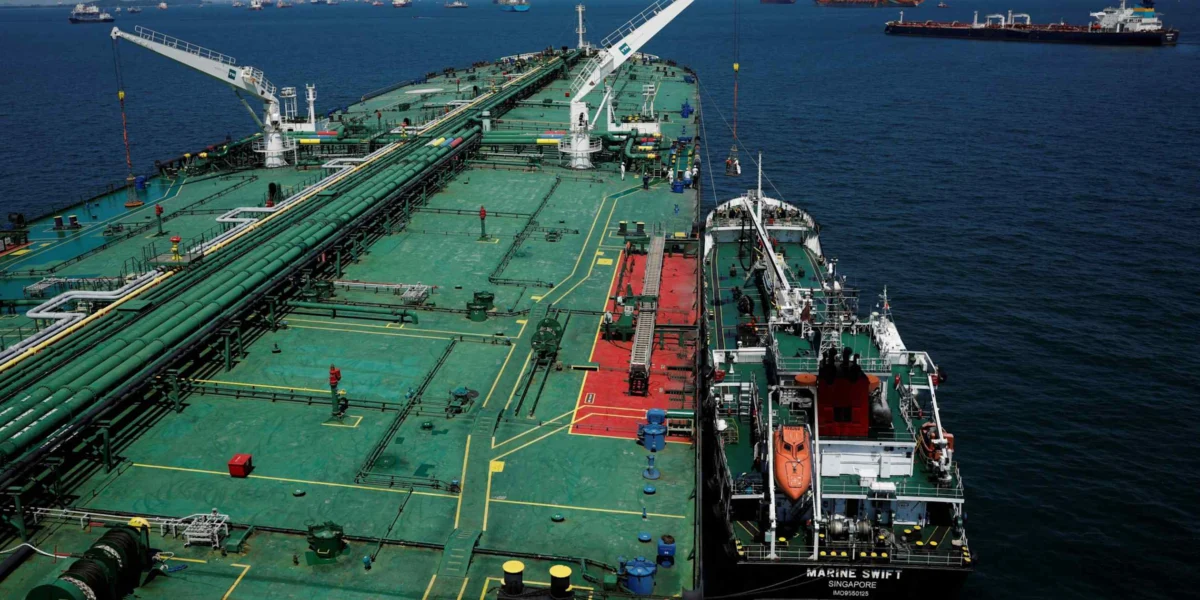
TOKYO — Saudi Arabia and the United Arab Emirates are set to play a pivotal role in building up strategic oil reserves across Asia, a region heavily reliant on imports yet historically lacking substantial stored supplies. This initiative, revealed through discussions with key stakeholders, aims to enhance energy security for a continent that has increasingly become the engine of global economic growth. The move signifies a deepening of energy ties between major Middle Eastern producers and Asian consumers, particularly in the wake of escalating geopolitical uncertainties and the ever-present volatility of global energy markets.
A Strategic Pivot Towards Enhanced Asian Energy Resilience
The initiative, as understood by Nikkei, will involve both nations expanding their export capacities and committing to providing priority supplies during times of emergency. This proactive approach marks a significant departure from previous arrangements, where Asian nations often found themselves vulnerable to supply disruptions and price shocks. The absence of robust strategic reserves has long been a point of concern for energy-importing countries in the region, making them susceptible to the whims of international supply and demand dynamics, as well as political instability in producing nations.
The urgency for such a strategic pivot is underscored by recent global events. The ongoing conflicts in Eastern Europe and the Middle East have repeatedly demonstrated the fragility of global energy supply chains. When disruptions occur, prices can spike dramatically, impacting economies across Asia, from manufacturing hubs in East Asia to rapidly developing nations in Southeast Asia and South Asia. The reliance on seaborne crude oil, with much of it transiting through critical chokepoints like the Strait of Malacca and the Strait of Hormuz, further amplifies these vulnerabilities.
Background: Asia’s Growing Energy Demands and Vulnerabilities
Asia’s energy consumption has been on a relentless upward trajectory for decades, driven by industrialization, urbanization, and a burgeoning middle class. China and India, in particular, have become colossal energy consumers, significantly influencing global demand patterns. While some Asian nations have made strides in developing renewable energy sources, fossil fuels, particularly oil and natural gas, remain the bedrock of their energy mix, powering transportation, industries, and electricity generation.
Despite this immense demand, many Asian countries have historically prioritized immediate consumption over strategic stockpiling. The costs associated with building and maintaining large-scale oil reserves, including storage facilities and the capital tied up in the stored crude, have often been seen as a significant burden. Furthermore, the complex logistical challenges of transporting and storing vast quantities of oil across a geographically diverse continent have added to these hurdles.
The situation is further complicated by the dominance of Middle Eastern producers in supplying Asian markets. Saudi Arabia, the world’s largest oil exporter, and the UAE, another significant producer, have long been crucial suppliers to Asian economies. Their commitment to bolstering Asian reserves suggests a recognition of the mutual benefits of greater regional energy stability. For these producers, ensuring a stable and growing market for their oil in Asia is paramount to their economic development strategies. By investing in the region’s energy security, they can foster stronger, more predictable demand.
Chronology of Evolving Energy Diplomacy
While the specifics of the current agreement are emerging, the groundwork for such a partnership has been laid over several years.
- Early 2000s: Growing concerns about energy security intensified in Asia following the oil shocks of the 1970s and the increasing demand from emerging economies. Discussions around strategic reserves began to gain traction, but concrete actions were often slow to materialize due to economic and logistical challenges.
- Mid-2010s: Increased geopolitical tensions in the Middle East and disruptions to global oil flows highlighted the need for greater resilience. Some Asian nations began to cautiously expand their reserve capacities, often in collaboration with international partners.
- Late 2010s – Early 2020s: The COVID-19 pandemic and its subsequent impact on energy markets, including a period of historically low prices followed by sharp rebounds, underscored the volatility of the sector. This period saw a renewed emphasis on energy security and the importance of strategic stockpiles.
- 2022-2023: The conflict in Ukraine led to significant global energy market dislocations, with many Asian countries facing import challenges and escalating energy costs. This event served as a stark reminder of the need for proactive measures to safeguard energy supplies.
- 2024-2026 (Current Period): Intensified diplomatic engagements between Middle Eastern energy giants and key Asian nations culminate in the current understanding for the expansion of oil reserves. This initiative represents a more concerted and strategic approach to regional energy security.
Supporting Data: Asia’s Dependence and Reserve Gaps
Data from the International Energy Agency (IEA) and other energy analysis firms consistently illustrates Asia’s profound reliance on imported crude oil. In recent years, the region has accounted for a significant portion of global oil demand growth, with countries like China and India leading the charge.
- Import Dependency: Many East Asian and Southeast Asian economies import upwards of 70-80% of their crude oil. This high import dependency makes them particularly vulnerable to supply disruptions. For instance, Japan, South Korea, and Singapore are almost entirely dependent on imported oil.
- Reserve Levels: Compared to major consuming nations like the United States, which maintains a Strategic Petroleum Reserve (SPR) capable of supplying millions of barrels per day for extended periods, strategic oil reserves in many Asian countries are considerably smaller and often insufficient to cover prolonged supply disruptions. For example, while the US SPR can hold up to 713.5 million barrels, the combined strategic reserves of many Asian nations often fall short of such capacities on a per-capita or per-demand basis.
- Economic Impact: A sustained disruption to oil supplies could have catastrophic economic consequences for Asia. Studies by the Asian Development Bank have estimated that even a moderate increase in oil prices can significantly dampen economic growth, increase inflation, and strain government budgets through increased import bills and fuel subsidies.
The commitment from Saudi Arabia and the UAE to help amass these reserves could manifest in several ways:
- Direct Investment: The oil-producing nations might offer financial assistance or direct investment in building and maintaining storage infrastructure within Asian countries.
- Strategic Supply Agreements: They could enter into long-term agreements that guarantee a certain volume of supply to these reserves, even during periods of high global demand.
- Priority Allocation: In emergency situations, these nations would commit to prioritizing the supply of oil to the participating Asian countries, ensuring that their reserve needs are met before non-essential export markets.
Official Responses and Reactions (Inferred)
While official statements directly confirming the Nikkei report are likely to be cautious, the implications are profound and would likely elicit a range of reactions:
- Asian Governments: Governments of participating Asian nations would likely welcome the initiative as a significant step towards bolstering their energy security. They would emphasize the collaborative nature of the agreement and its potential to foster regional stability. Leaders might highlight the long-term economic benefits of reduced vulnerability to price volatility.
- Saudi Arabia and UAE: Official statements from Riyadh and Abu Dhabi would likely frame the initiative as a demonstration of their commitment to global energy market stability and their role as reliable energy partners. They might underscore the mutual economic interests that underpin such cooperation.
- International Energy Organizations: Bodies like the International Energy Agency (IEA) would likely view the move positively, as it aligns with their long-standing recommendations for member nations to maintain adequate strategic oil stocks. They might offer technical expertise and support for the implementation of the reserve buildup.
- Market Analysts and Industry Stakeholders: Energy analysts would scrutinize the details of the agreements, focusing on the volumes committed, the timeframe for reserve buildup, and the specific mechanisms for emergency supply. Oil traders and refiners would assess the potential impact on global supply dynamics and price volatility.
Broader Impact and Implications
The decision by Saudi Arabia and the UAE to assist in building Asian oil reserves carries significant implications for the global energy landscape and regional geopolitics.
- Enhanced Regional Stability: By reducing the immediate vulnerability of Asian economies to oil supply shocks, the initiative can contribute to greater economic and political stability across the continent. This can, in turn, foster a more predictable environment for international trade and investment.
- Strengthened Producer-Consumer Ties: The agreement solidifies the strategic partnership between major Middle Eastern oil producers and their key Asian consumers. This deeper integration can lead to more robust diplomatic relations and a shared interest in maintaining stable energy flows.
- Potential for Global Market Influence: As Asian nations build up their reserves, this could lead to a more coordinated approach to managing global oil stocks, potentially influencing global price dynamics and reducing the impact of speculative trading.
- Diversification of Energy Security Strategies: While the focus remains on oil, this initiative could pave the way for similar collaborations on other critical energy resources, such as natural gas, and encourage further investment in renewable energy infrastructure as part of a diversified energy security portfolio.
- Geopolitical Realignments: The deepening energy ties could also have broader geopolitical ramifications, potentially influencing trade relationships and alliances in the Indo-Pacific region and beyond. It underscores the centrality of energy in shaping international relations in the 21st century.
The successful implementation of this ambitious plan will require sustained commitment and close coordination between all parties involved. However, the potential benefits – a more secure and stable energy future for Asia and a strengthened partnership with its key energy suppliers – make this a strategically vital undertaking. The ongoing global energy transition will undoubtedly continue to shape these dynamics, but for the foreseeable future, oil remains a critical commodity, and ensuring its reliable supply to the world’s most dynamic economic region is a shared imperative.
