

HANOI – Vietnam’s economy surged by 9.95% in the third quarter, marking its most robust expansion in four years and signaling a significant acceleration from the revised 8.81% growth recorded in the preceding quarter. This impressive performance, driven by a resurgence in industrial and construction activities, has bolstered expectations that the nation may achieve its ambitious full-year economic growth target, albeit with a significant fourth-quarter push. The General Statistics Office (GSO) released these figures on Saturday, October 3, 2026, providing a critical snapshot of the Southeast Asian economic powerhouse’s trajectory.
The robust Q3 expansion is a welcome development for policymakers and businesses alike, suggesting that recent government initiatives and a rebound in global demand are beginning to bear fruit. The GSO’s preliminary data indicates that the industrial and construction sectors were the primary engines of this growth, a testament to Vietnam’s manufacturing prowess and ongoing infrastructure development. This acceleration is crucial for the government’s objective of achieving a full-year GDP growth rate of approximately 6.5%. To meet this target, Vietnam’s economy will need to expand by roughly 12% in the fourth quarter, a challenging but not insurmountable task given the current momentum.
Background and Context: A Global Economic Landscape
The strong quarterly performance unfolds against a backdrop of a complex global economic environment. While many developed economies have grappled with persistent inflation, rising interest rates, and geopolitical uncertainties, Vietnam has managed to maintain a more resilient growth path. This resilience can be attributed to several factors, including its strong export orientation, a growing domestic market, and its strategic position as a manufacturing hub. However, the nation has not been entirely immune to global headwinds, with disruptions in global supply chains and fluctuating commodity prices posing ongoing challenges.
Chronology of Growth: A Trajectory of Recovery
The economic narrative of Vietnam in 2026 has been one of gradual but steady recovery. The first quarter of the year saw a respectable growth rate, which was then surpassed in the second quarter. The third quarter’s performance represents a significant leap forward, suggesting that the economic recovery has gained considerable traction.
- Q1 2026: Initial signs of economic rebound, laying the groundwork for subsequent quarters.
- Q2 2026 (Revised): Growth accelerates to 8.81%, indicating a strengthening recovery.
- Q3 2026: The economy witnesses its fastest expansion in four years, reaching 9.95%.
- Q4 2026 (Projected): A substantial growth of around 12% is required to meet the annual target.
This upward trend is particularly encouraging for a nation that has heavily invested in its industrial base and manufacturing capabilities. The sustained expansion in these sectors underscores the effectiveness of government policies aimed at attracting foreign direct investment and fostering domestic industrial development.
Supporting Data: Key Economic Indicators
While the headline GDP figures are impressive, a deeper dive into supporting economic data provides further insight into the drivers of this growth.
- Industrial Production: The manufacturing and processing sector, a cornerstone of Vietnam’s economy, has shown remarkable strength. Data from the GSO indicated a substantial increase in industrial output in Q3, driven by sectors such as electronics, textiles, and automotive components. This surge in production is often a leading indicator of broader economic health.
- Construction Sector: The robust performance of the construction industry, a key contributor to job creation and infrastructure development, also played a vital role. Increased investment in both public and private construction projects has stimulated economic activity and demand for materials.
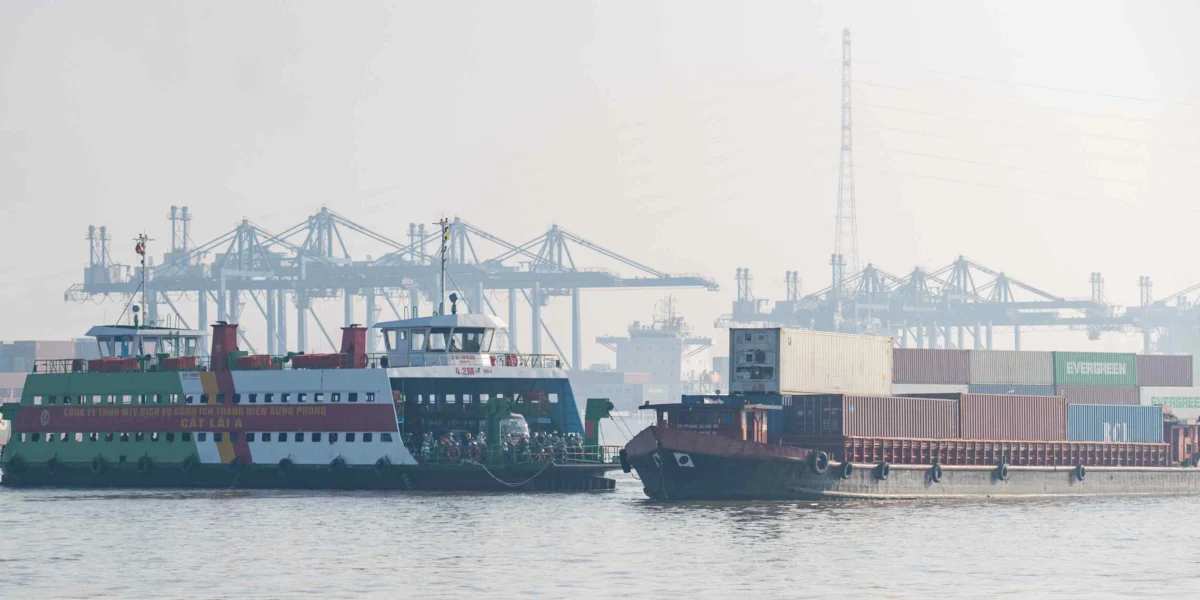
- Trade Balance Concerns: Despite the strong GDP growth, Vietnam recorded a trade deficit of $19.4 billion in the first nine months of the year. This deficit arose as imports surged faster than exports. While a trade deficit is not inherently negative, especially in a developing economy undergoing industrial expansion, its widening magnitude warrants attention. The surge in imports suggests robust domestic demand and investment in capital goods, but also highlights the need for sustained export competitiveness. The image accompanying this report, depicting activity at Cat Lai Port in Ho Chi Minh City, serves as a visual reminder of the significant volume of goods moving through Vietnam’s trade arteries, both in and out.
Official Responses and Policy Implications
The strong third-quarter growth has been met with cautious optimism by government officials. While acknowledging the positive momentum, policymakers are likely to emphasize the need for continued vigilance and strategic interventions to sustain this growth and address potential challenges.
- Government Stance: Sources within the Ministry of Planning and Investment have indicated that the government remains committed to its growth targets and will continue to implement policies aimed at fostering a conducive business environment. This includes efforts to streamline regulations, improve infrastructure, and attract further foreign investment.
- Monetary and Fiscal Policy: The State Bank of Vietnam may need to carefully balance its monetary policy to manage inflationary pressures that could arise from strong economic growth, while also ensuring that credit remains accessible for businesses. Similarly, fiscal policy will likely focus on targeted investments in infrastructure and human capital to support long-term sustainable growth.
- Export Promotion: The widening trade deficit is likely to prompt renewed focus on strategies to enhance export competitiveness. This could involve diversification of export markets, upgrading of production capabilities, and addressing any potential bottlenecks in export logistics.
Broader Impact and Implications: A Regional Powerhouse
Vietnam’s economic trajectory has significant implications not only for its domestic population but also for the broader Southeast Asian region and the global economy.
- Attracting Foreign Direct Investment (FDI): Consistent strong growth and a favorable business climate make Vietnam an increasingly attractive destination for FDI. This influx of capital not only fuels economic expansion but also brings technology, expertise, and job opportunities.
- Regional Trade Dynamics: As Vietnam’s economy grows, its role in regional supply chains and trade networks becomes more pronounced. Its expanding manufacturing sector and growing consumer market contribute to the dynamism of ASEAN economies.
- Global Supply Chain Resilience: The sustained performance of Vietnam’s industrial sector reinforces its importance as a key node in global supply chains, particularly for sectors like electronics and textiles. This can offer a degree of diversification and resilience for international companies seeking to mitigate risks associated with geopolitical tensions or disruptions in other major manufacturing hubs.
- Poverty Reduction and Living Standards: Sustained economic growth is a critical factor in poverty reduction and the improvement of living standards for the Vietnamese people. Job creation, increased incomes, and access to better services are direct beneficiaries of a thriving economy.
Challenges Ahead: Navigating the Final Quarter
While the 9.95% Q3 growth is a significant achievement, the prospect of achieving the full-year target hinges on an extraordinary 12% expansion in the final quarter. This would require an exceptional surge in economic activity, potentially driven by a strong end-of-year consumption boom, accelerated project completions, or a significant uplift in export orders.
The GSO’s data provides a vital indicator of the nation’s economic health. The strong Q3 performance offers a powerful impetus as Vietnam heads into the crucial final months of 2026. The ability of the government and businesses to sustain this momentum, while proactively addressing challenges such as the trade deficit and potential inflationary pressures, will be key to solidifying Vietnam’s position as a resilient and dynamic economic force in the region. The coming months will be a critical period for observing whether the nation can translate its impressive quarterly gains into a sustained annual success, ultimately shaping its economic destiny for the near future.
