

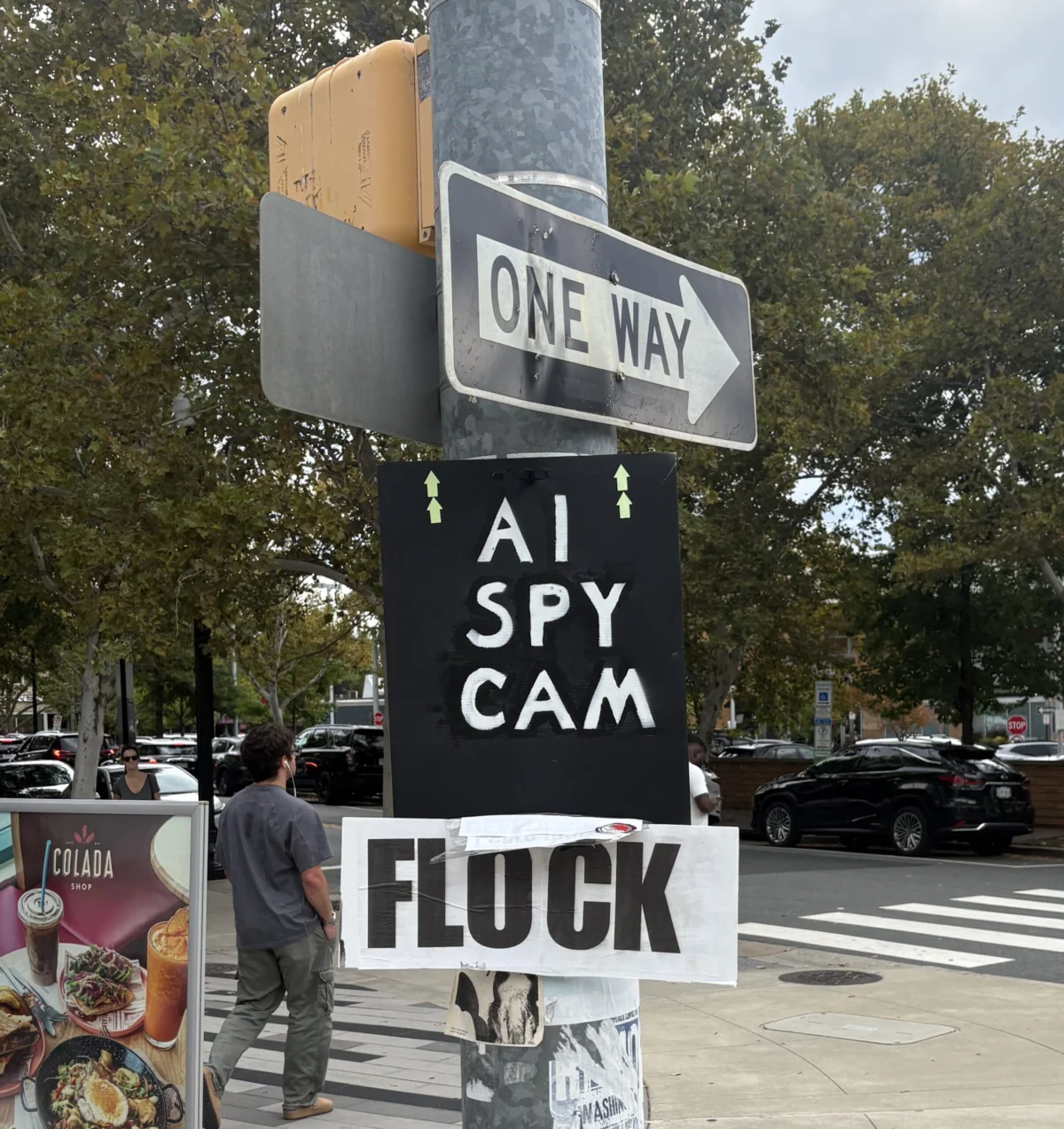
Senator Bernie Sanders (I-Vermont) has ignited a significant debate over government surveillance and individual privacy with the introduction of the "Ban Flock Act." This proposed legislation aims to sever federal ties with automatic license plate reader (ALPR) technology, a system that has become a flashpoint for civil liberties advocates and a crucial tool for law enforcement. The bill, introduced on Friday, seeks to prohibit federal agencies from utilizing ALPRs or accessing the vast datasets collected by these systems, whether operated by local police departments or private companies like Flock Safety. While the bill’s title directly references Flock, its provisions are broad, encompassing all ALPR systems and signaling a comprehensive federal withdrawal from this pervasive surveillance technology.
The "Ban Flock Act" is a direct response to mounting public anger and increasing scrutiny of ALPRs, particularly the omnipresent network managed by Flock Safety. Sanders’ initiative highlights a growing consensus among privacy advocates and some lawmakers that the unchecked proliferation of these cameras poses a fundamental threat to Fourth Amendment rights and the expectation of privacy in public spaces. The legislation allows for only two narrow exceptions: toll collection and future uses explicitly approved by Congress, provided any such approved systems adhere to a strict 48-hour data retention limit.
The Pervasive Reach of ALPR Technology and Flock Safety’s Dominance
Automatic license plate readers are high-speed camera systems equipped with optical character recognition (OCR) software, designed to automatically capture and process license plate information. These systems can scan thousands of plates per minute, comparing them against "hot lists" of vehicles associated with crimes, Amber Alerts, or other law enforcement interests. While initially developed as a tool for tracking stolen vehicles or suspects in serious crimes, their deployment has expanded exponentially, raising profound questions about the scope and implications of pervasive surveillance.
Flock Safety has emerged as the undisputed leader in this burgeoning market. According to Senator Sanders’ office, the company boasts a network of more than 120,000 cameras deployed across communities nationwide. In a blog post from February, Flock Safety itself claimed its network processes an astounding 20 billion vehicle reads each month. This translates to an unparalleled ability to track vehicle movements, creating a detailed mosaic of individuals’ daily lives, travel patterns, and associations. The company markets its technology primarily as a crime-fighting tool, promising to reduce property crime and assist in identifying suspects in violent offenses. Many local law enforcement agencies and homeowners’ associations have embraced Flock’s cameras, citing success stories in recovering stolen vehicles or identifying vehicles involved in criminal incidents.
However, the sheer scale of this data collection and its potential for misuse have fueled a robust backlash. Civil liberties organizations, privacy advocates, and an increasing number of concerned citizens argue that such widespread surveillance transforms public spaces into virtual dragnet zones, where every driver is potentially tracked and their movements cataloged, regardless of any suspected wrongdoing.
A Chronology of Mounting Opposition and Corporate Adjustments
The trajectory of public sentiment and regulatory pressure against ALPRs, and Flock Safety in particular, has been escalating steadily:
- Early 2010s: ALPR technology begins to gain traction in law enforcement, primarily for targeted investigations.
- Mid-2010s: Concerns from civil liberties groups like the American Civil Liberties Union (ACLU) and the Electronic Frontier Foundation (EFF) begin to surface, highlighting privacy implications of mass data collection.
- 2017: Flock Safety is founded, rapidly expanding its network through partnerships with police departments and neighborhood associations.
- Late 2010s – Early 2020s: Flock’s market dominance grows, but so does public awareness and opposition. Reports of data breaches, lack of transparency, and potential for abuse proliferate.
- August 2022: The Los Angeles Police Department (LAPD) briefly suspends its use of Flock cameras amid intense privacy concerns and a lawsuit, though it later resumed use with new policies.
- Early 2023: Several communities across the U.S. begin protesting the installation of Flock cameras, citing concerns about privacy, cost, and effectiveness.
- August 2023: Flock Safety CEO Garrett Langley announces significant policy changes, including reducing the default data retention period from 30 days to seven days and implementing mandatory audit tools to flag unusual searches. This move came amidst a "record pace" of cities canceling contracts with Flock, signaling a critical juncture for the company.
- October 2023: Senator Bernie Sanders introduces the "Ban Flock Act," marking the most significant federal legislative challenge to ALPR technology to date.
The pressure on Flock Safety from communities has manifested in various forms, from organized protests and heated public forums to direct action by city councils. The Los Angeles Police Department, for instance, suspended its use of Flock cameras over privacy issues, illustrating the gravity of the concerns. More recently, there has been an accelerating trend of cities terminating their contracts with Flock, signaling a fundamental reevaluation of the technology’s benefits versus its privacy costs.
In response to this intensifying scrutiny, Flock Safety has attempted to pre-empt further legislative or public backlash by tightening its internal rules. CEO Garrett Langley, who had previously maintained that how police use the cameras was primarily up to local agencies, shifted the company’s stance. In August, he announced a new default data retention period of seven days, a substantial reduction from the previous 30-day standard. Furthermore, Flock implemented an audit tool designed to lock officers out of the system pending review when it flags unusual or suspicious search patterns. This measure directly addresses incidents of misuse, such as the high-profile case involving a former Milwaukee officer who pleaded guilty to misconduct after improperly searching for his then-partner and her ex 179 times, falsely listing the reason as "investigation." The discussion even extends to more advanced security features, with investor Jason Calacanis suggesting a "double-key" system requiring two approvals for a search, a concept Langley acknowledged as being "on the whiteboard" for future consideration.
The "Ban Flock Act": Key Provisions and Enforcement
Senator Sanders’ "Ban Flock Act" represents a decisive federal intervention, seeking to establish clear boundaries for surveillance technology use. Its core provisions are designed to significantly curtail the federal government’s involvement with ALPRs:
- Prohibition on Federal Use: The act would explicitly bar any federal agency from deploying or operating automatic license plate readers. This would impact agencies ranging from the FBI and DEA to Customs and Border Protection, potentially forcing them to dismantle existing ALPR infrastructure or cease their operation.
- Ban on Data Access: Crucially, the bill extends beyond direct federal operation, prohibiting federal agencies from accessing data collected by ALPRs run by state and local police or private entities. This provision aims to cut off the federal government’s ability to piggyback on the vast networks already established by local law enforcement and companies like Flock, thereby preventing an end-run around the direct use prohibition.
- Limited Exceptions: The legislation carves out only two narrow exceptions. The first is for toll collection, acknowledging the functional necessity of automated plate scanning for infrastructure revenue. The second exception allows for future uses explicitly approved by Congress, but under stringent conditions. Any such congressionally sanctioned use would be mandated to limit data retention to no longer than 48 hours, a stark contrast to the weeks or months of data currently stored by many systems.
- Financial Disincentives for Non-Compliance: A powerful enforcement mechanism within the bill targets state and local governments. Should the act become law, non-compliant state and local entities would face severe financial penalties. Starting in the first fiscal year after enactment, they would lose eligibility for grants from five federal departments, including the Department of Justice and the Department of Homeland Security, unless they completely ban the use of ALPR technology within their jurisdictions. This provision leverages significant federal funding as a tool to compel statewide and local adherence to the new privacy standards.
- Legal Recourse: The bill empowers American citizens to sue the federal government over violations of its provisions. Additionally, state attorneys general would be authorized to enforce the law, providing multiple avenues for accountability and legal challenge against potential government overreach.
The bill has garnered early support from prominent progressive lawmakers, with Representative Alexandria Ocasio-Cortez (D-N.Y.) and Senator Jeff Merkley (D-Ore.) signing on as co-sponsors. Their involvement underscores the growing concern within the Democratic party’s progressive wing regarding the unchecked expansion of surveillance technologies.
The Broader Debate: Privacy vs. Public Safety
The introduction of the "Ban Flock Act" thrusts the contentious debate between public safety and individual privacy squarely into the national spotlight. Proponents of ALPR technology, primarily law enforcement agencies and some community leaders, argue that these systems are invaluable tools for fighting crime. They cite instances where ALPRs have helped locate stolen vehicles, identify suspects in Amber Alerts, track down individuals involved in violent felonies, and even aid in solving cold cases by providing crucial movement data. From this perspective, restricting ALPRs would hobble police capabilities, potentially leading to increased crime rates and reduced public safety. They often emphasize that the data is only accessed when a crime has occurred or a suspect is being sought, arguing against the "mass surveillance" label.
Conversely, civil liberties advocates and privacy experts vehemently argue that the benefits of ALPRs do not outweigh the profound risks to fundamental rights. Organizations like the ACLU have long warned that ALPRs facilitate mass surveillance, allowing the government to track innocent people without suspicion. They contend that the creation of vast databases of movement data, even if initially collected by private companies or local police, creates a "chilling effect" on free association and expression. Individuals may alter their behavior if they know their every movement is being recorded and stored. Furthermore, the potential for mission creep—where data collected for one purpose is later used for another, such as immigration enforcement or political targeting—is a significant concern. The argument is often framed around the Fourth Amendment’s protection against unreasonable searches; advocates argue that constant tracking of vehicles constitutes a de facto warrantless search of movement patterns. The Milwaukee officer’s misconduct case serves as a stark reminder of the potential for internal abuse of such powerful tools, even with audit trails in place.
Legislative Hurdles and Broader Implications
Despite the clear intent and strong backing from its sponsors, the "Ban Flock Act," like most comprehensive legislation of its kind, faces an uphill battle in Congress. The original article correctly notes that it faces "long odds." Several factors contribute to this challenging legislative environment:
- Bipartisan Support for Law Enforcement Tools: Many members of both parties are generally supportive of providing law enforcement with tools they deem necessary to combat crime, making it difficult to pass legislation that significantly restricts police capabilities.
- Lobbying Efforts: Technology companies like Flock Safety, along with law enforcement organizations, are likely to lobby aggressively against the bill, emphasizing the purported crime-fighting benefits and downplaying privacy concerns.
- Congressional Gridlock: The current political climate in Washington, D.C., often makes it challenging to pass significant, bipartisan legislation, especially on complex issues like technology regulation and privacy.
- Perceived Trade-off: For many lawmakers and constituents, the perceived trade-off between privacy and public safety leans towards prioritizing safety, particularly in communities grappling with rising crime rates.
However, even if the "Ban Flock Act" does not immediately pass into law, its introduction holds significant implications. It serves as a powerful statement, setting a clear marker for federal policy on surveillance technology. It elevates the issue of ALPRs to a national debate, forcing policymakers, law enforcement, and tech companies to publicly address the privacy concerns associated with these systems. The bill could also inspire similar legislative efforts at the state level, or at the very least, pressure local governments and law enforcement agencies to reconsider their ALPR policies, data retention practices, and oversight mechanisms. It adds considerable weight to the ongoing demands for greater transparency and accountability from companies like Flock Safety.
The conversation surrounding ALPRs is far from over. As technology continues to advance and surveillance capabilities become more sophisticated, the tension between security and liberty will remain a central theme in public discourse and legislative efforts. The "Ban Flock Act" represents a critical moment in this ongoing dialogue, pushing for a reevaluation of what level of pervasive tracking a democratic society is willing to accept.
The ongoing discussion will continue to unfold, with key stakeholders offering their perspectives. Notably, Flock Safety CEO Garrett Langley is scheduled to be interviewed at an upcoming Disrupt event, October 13-15 in downtown San Francisco, an occasion that will undoubtedly provide further insights into the company’s strategy and response to this escalating federal scrutiny.
