

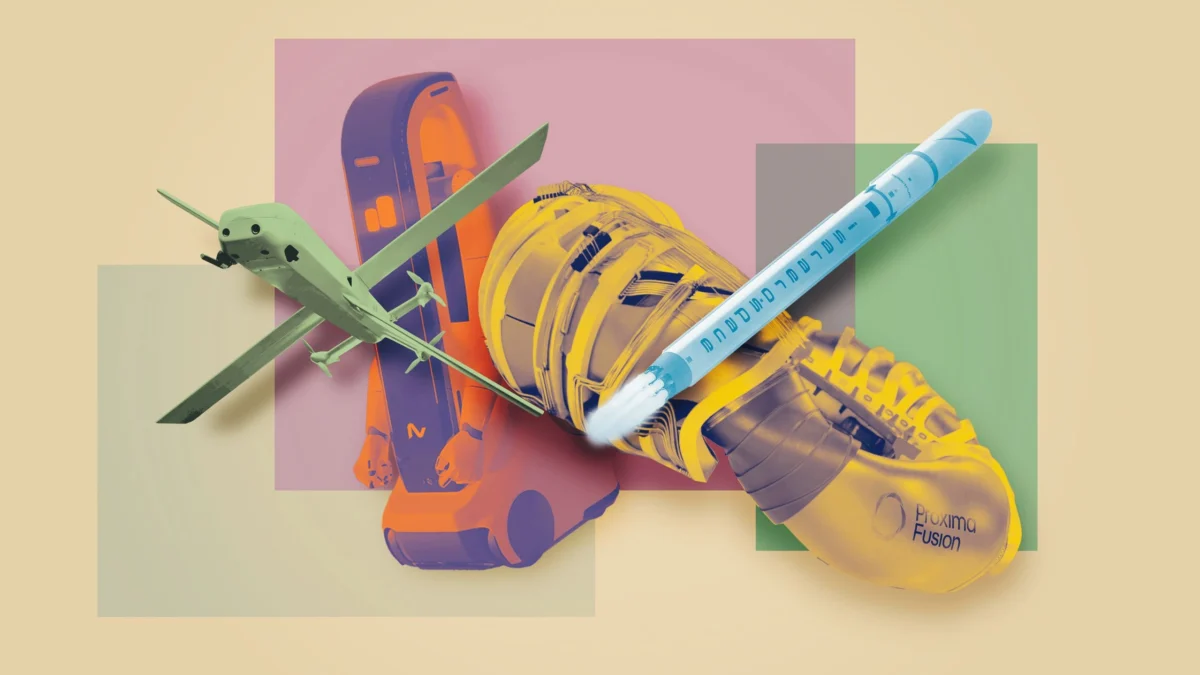
The German startup landscape is increasingly emerging as a beacon of hope for the nation’s economy, with several promising companies poised to become future tech giants. Firms like Isar Aerospace, Helsing, and Neura Robotics represent a new generation of German tech innovators, sparking optimism for the future leadership in technology following in the footsteps of established players like Siemens and SAP. However, a recent study highlights that for this momentum to be sustained, significant improvements are needed across the ecosystem to ensure not just individual successes, but a robust and flourishing startup sector.
A Strong Foundation, But Room for Growth

The German startup scene is currently demonstrating solid performance, mirroring a broader economic upturn in the country. Indicators such as the German Startup Monitor (DSM) suggest a positive business climate, with the DSM reporting an increase in business sentiment. This optimistic outlook is particularly pronounced among startups, coinciding with significant industry gatherings like the "Bits & Pretzels" conference in Munich. Despite this positive trajectory, the current figures have yet to fully recover to pre-pandemic or early-pandemic levels, indicating that while growth is present, there’s still a substantial gap to bridge.
The strength of the German startup sector is exemplified by the rise of several "unicorn" companies – privately held startups valued at over $1 billion. Companies such as Helsing, a defense tech firm specializing in artificial intelligence, have garnered significant attention and investment. Helsing’s recent funding rounds underscore the increasing global interest in German technological innovation, particularly in areas with strategic importance. Similarly, Neura Robotics, a robotics startup, has successfully navigated the complex landscape of venture capital to secure substantial funding, signaling a growing confidence in its technological advancements and market potential. Proxima Fusion, a venture focused on nuclear fusion energy, has also achieved unicorn status, highlighting the diversification and ambition within Germany’s deep-tech sector. These companies, among others, are seen as potential successors to established German technology leaders, promising to drive innovation and economic growth for years to come.
Key Drivers of Optimism and Emerging Challenges
Several factors contribute to the current optimism surrounding Germany’s startup ecosystem:
- Technological Prowess: Germany has a strong tradition of engineering and innovation, which is now being leveraged by a new generation of entrepreneurs. Fields like artificial intelligence, robotics, aerospace, and sustainable energy are seeing significant breakthroughs and investment.
- Increased Venture Capital Inflows: While still lagging behind some international hubs, Germany has witnessed a notable increase in venture capital funding over the past few years. This influx of capital is crucial for startups to scale their operations, invest in research and development, and expand into new markets.
- Government Support and Initiatives: The German government has recognized the importance of startups for economic competitiveness and has implemented various support programs, including grants, funding initiatives, and a more streamlined regulatory environment in certain areas.
- Skilled Workforce: Germany possesses a highly educated and skilled workforce, which is a fundamental asset for technology-driven companies. The availability of talent in engineering, computer science, and other critical fields is a significant advantage.
However, the same study that highlights these positives also points to persistent challenges that need to be addressed for the sector to reach its full potential:
- Financing Gaps: While funding for certain high-growth sectors like AI and defense tech is improving, other promising areas may struggle to attract sufficient investment. The study suggests that a broader range of startups, not just those in high-profile sectors, require better access to capital. This imbalance could stifle innovation in diverse technological fields.
- Declining Corporate Collaboration: A concerning trend identified is the decrease in collaborations between startups and established corporations or medium-sized enterprises (Mittelstand). Historically, these partnerships have been vital for startups to gain market access, leverage established infrastructure, and benefit from the experience of larger entities. A decline in such collaborations could hinder the commercialization of innovative technologies and limit the growth potential of many startups.
- Bureaucracy and Regulatory Hurdles: Despite efforts to streamline processes, German bureaucracy can still present significant challenges for startups, particularly concerning regulations, permits, and administrative procedures. These can slow down innovation and increase operational costs.
- International Competition: The global startup landscape is highly competitive. Germany faces strong competition from established innovation hubs in the United States, China, and other parts of Europe. Maintaining a competitive edge requires continuous innovation and adaptation.
A Detailed Look at the Data and Trends
The recent findings underscore the need for a more inclusive and supportive funding environment. While the headline-grabbing investments in AI and defense are positive indicators of Germany’s technological capabilities, they risk creating an unbalanced ecosystem. Startups in other critical sectors, such as advanced materials, biotechnology, or clean energy beyond fusion, may find it more challenging to secure the necessary seed and growth capital. This could lead to a situation where Germany excels in niche areas but lacks the broad-based technological innovation needed for sustained, long-term economic prosperity.
The decline in corporate-startup collaborations is particularly worrying. Traditionally, German Mittelstand companies have been crucial partners for startups, offering not only financial backing but also market access, distribution channels, and invaluable industry expertise. These partnerships often lead to successful product development and market penetration, benefiting both the startup and the established company. A decrease in these synergistic relationships suggests potential missed opportunities for technological transfer and market integration. This trend might be attributed to various factors, including a lack of proactive engagement from larger corporations, perceived risks associated with startup collaborations, or a mismatch in objectives and timelines.
The business climate data provides a nuanced picture. The increase in the business climate index, as reported by the DSM, is a positive sign, reflecting a general sense of optimism within the German economy. The improvement in the outlook for startups, in particular, suggests that entrepreneurs are feeling more confident about future prospects. This renewed confidence is often a precursor to increased investment and hiring. However, the fact that the figures have not yet reached pre-COVID levels indicates that lingering economic uncertainties and global challenges continue to influence the entrepreneurial landscape. The COVID-19 pandemic, followed by geopolitical instability and energy crises, has undoubtedly left its mark, and a full recovery will likely take time and sustained effort.

Historical Context and the Path Forward
Germany’s journey to foster a thriving startup ecosystem has been a gradual one. For decades, the country was known for its strong industrial base and large, established corporations. While this provided economic stability, it sometimes fostered a more risk-averse culture, which was not always conducive to the high-growth, high-risk nature of startups. In recent years, there has been a concerted effort to shift this paradigm. Initiatives like the EXIST program (Existenzgründungen aus der Wissenschaft) and the creation of numerous incubators and accelerators have aimed to cultivate an entrepreneurial spirit, particularly among university graduates and researchers.
The rise of companies like SAP, which successfully transitioned from a startup to a global technology leader, served as an early inspiration. However, the current wave of innovation, exemplified by companies in advanced fields like AI and aerospace, signifies a maturing ecosystem capable of producing world-class technology ventures. The "Ten Unicorns 2026" moniker suggests an ambitious target, reflecting a national aspiration to significantly expand the number of high-value startups within the next few years. Achieving this goal will require not only continued investment but also a fundamental strengthening of the collaborative fabric between startups and established industries.

Strategic Implications and Future Outlook
The implications of the current trends are multifaceted. On one hand, the success of companies like Helsing and Neura Robotics demonstrates Germany’s capability to foster innovation in cutting-edge fields, which is vital for its future economic competitiveness. These companies have the potential to create high-value jobs, drive technological advancements, and contribute significantly to the national economy. Their success also serves as a powerful signal to international investors, further solidifying Germany’s position as an attractive destination for tech innovation.
On the other hand, the challenges in broad-based financing and declining corporate collaborations pose a risk of creating a bifurcated startup landscape. If only a few select sectors receive the lion’s share of investment and attention, it could lead to a concentration of innovation, potentially leaving other promising areas underdeveloped. Furthermore, the lack of strong ties with established German companies could limit the scalability and long-term sustainability of many startups, potentially leading to more international acquisitions or a slower pace of domestic market penetration.

To address these issues, a multi-pronged approach is necessary. Policymakers could consider targeted incentives to encourage greater collaboration between large corporations and startups, perhaps through joint R&D programs or innovation partnerships. Venture capital firms might be encouraged to diversify their portfolios and actively seek out promising startups in less-hyped but equally critical sectors. Educational institutions and industry bodies have a role to play in fostering an entrepreneurial mindset and providing the necessary training and mentorship.
The ambition behind "Ten Unicorns 2026" is commendable, but its realization hinges on more than just capital. It requires a holistic approach that strengthens the entire startup ecosystem, fostering a culture of collaboration, innovation, and sustained growth across all technological frontiers. The current momentum is positive, but continuous adaptation and strategic interventions will be crucial to ensure that Germany’s startup sector not only shines with individual successes but also forms the bedrock of a robust and dynamic future economy. The vision of Germany as a leading innovation powerhouse is within reach, but the path forward demands a concerted effort to nurture and support its burgeoning entrepreneurial talent.
